Start your journey
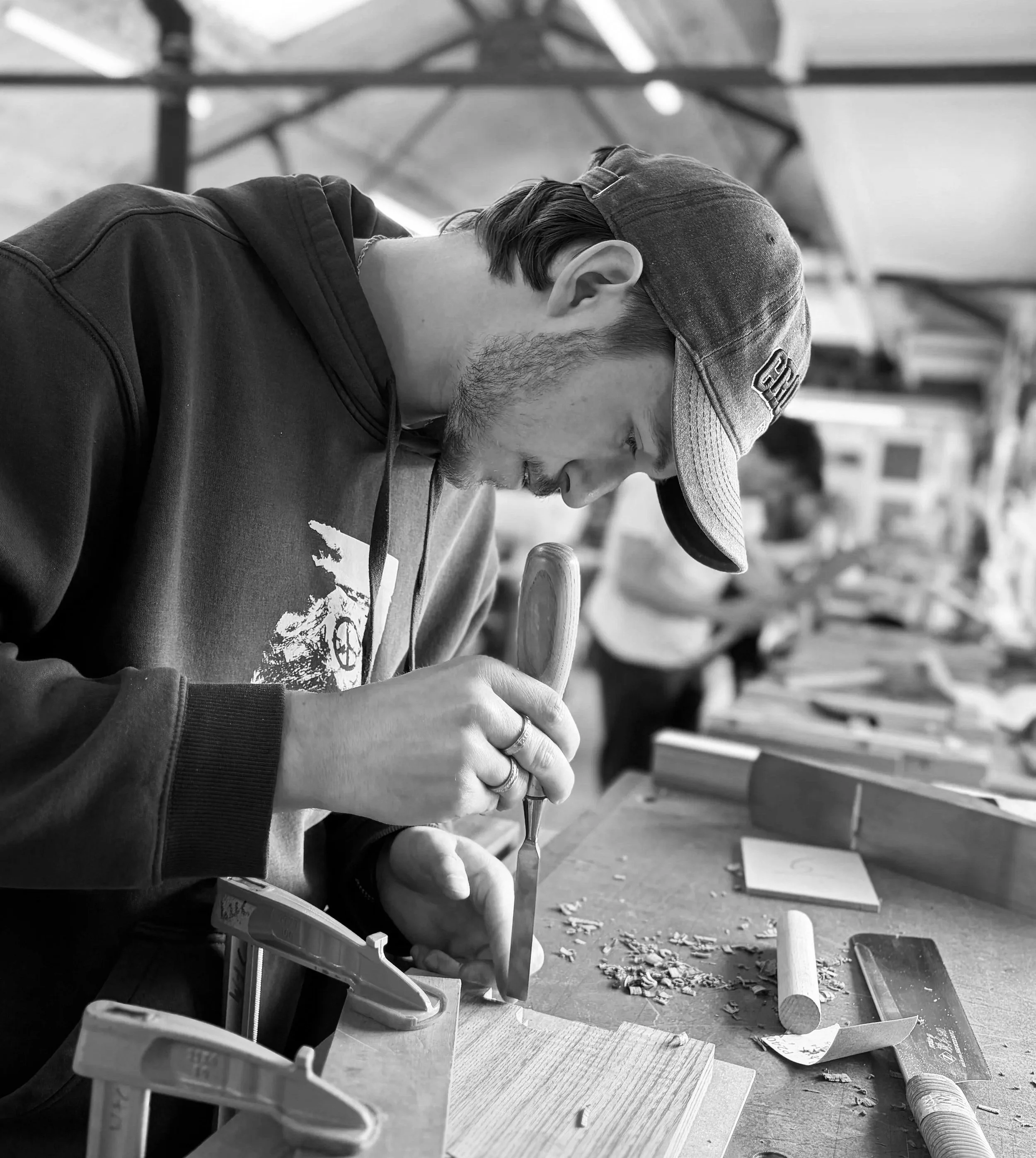
Six weeks at Williams & Cleal is an immersive introduction to the foundations of fine furniture making. Designed for those wishing to develop serious hand skills, whether for professional ambitions or personal fulfilment, the course offers an intensive period of learning at the bench, centred on craftsmanship, precision, and material understanding. Built around a series of practical woodworking and fine furniture projects, the course develops hand skills, accuracy, craftsmanship, and confidence through focused bench practice and close tuition.
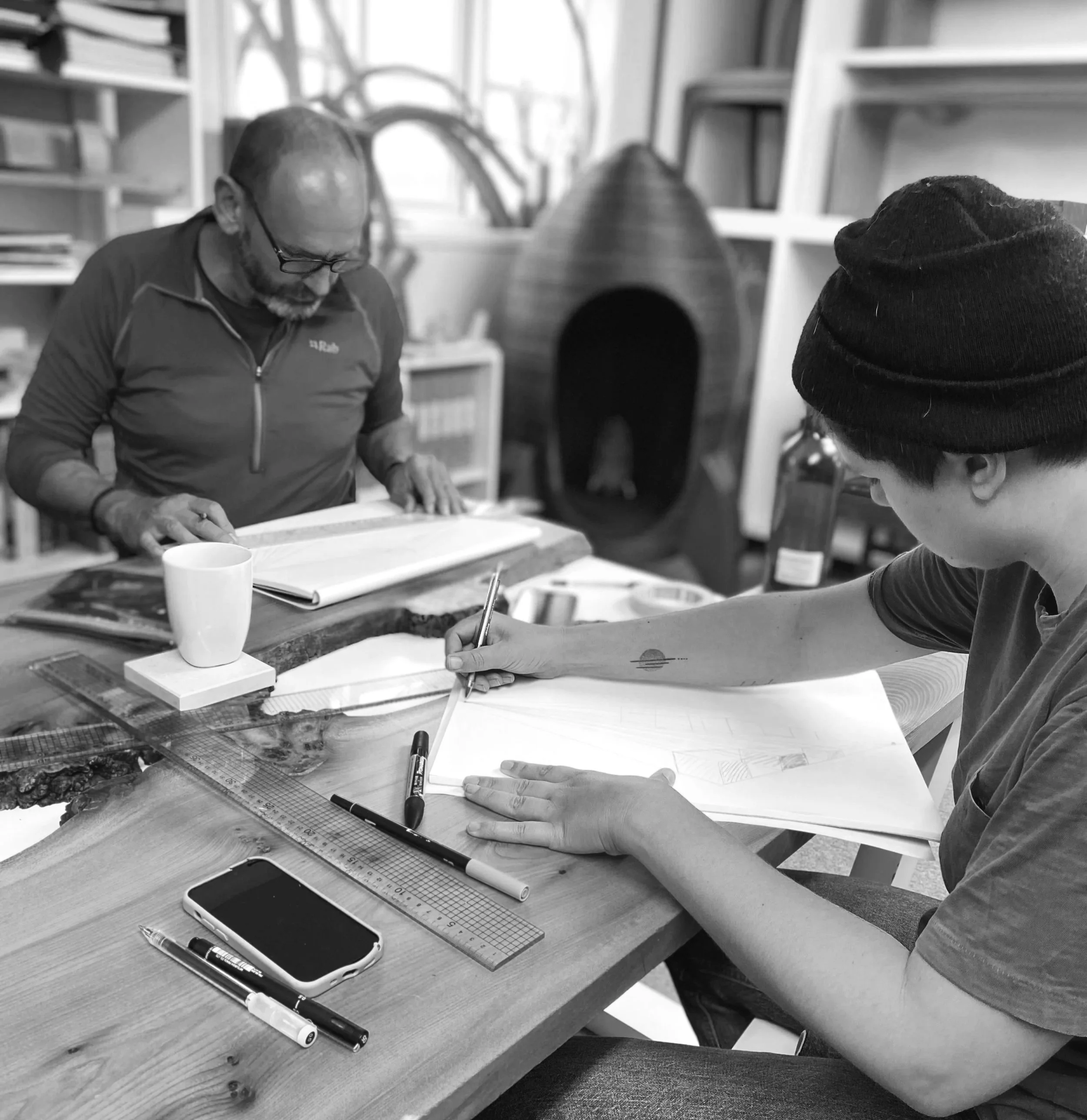
Alongside practical bench work, students can also take part in weekly classroom sessions covering subjects such as timber technology, sketching, drawing, furniture construction, and design principles. There is also time within the course to explore individual interests that are personally relevant to each student’s direction and ambitions.
Bringing together committed makers from varied backgrounds, the course offers a rare opportunity to step fully into the rhythm of the workshop and experience the satisfaction of making with intention.
About the course
-
This course is suited to those seeking a serious introduction to fine woodworking through hand skills.
Some students arrive with professional aspirations or plans to establish their own practice; others come to pursue craftsmanship for personal satisfaction. Whatever your ambition, the course is designed to meet you where you are and help you move forward with confidence, skill, and a deeper connection to the craft. You are welcome to bring any tools you may already own. Alternatively we can supply you with all the tools you need for the duration of your course.
-
At Williams & Cleal, we focus on principles rather than simply completing projects. The aim is not only to make beautiful objects, but to develop transferable skills and a deeper understanding of the craft itself.
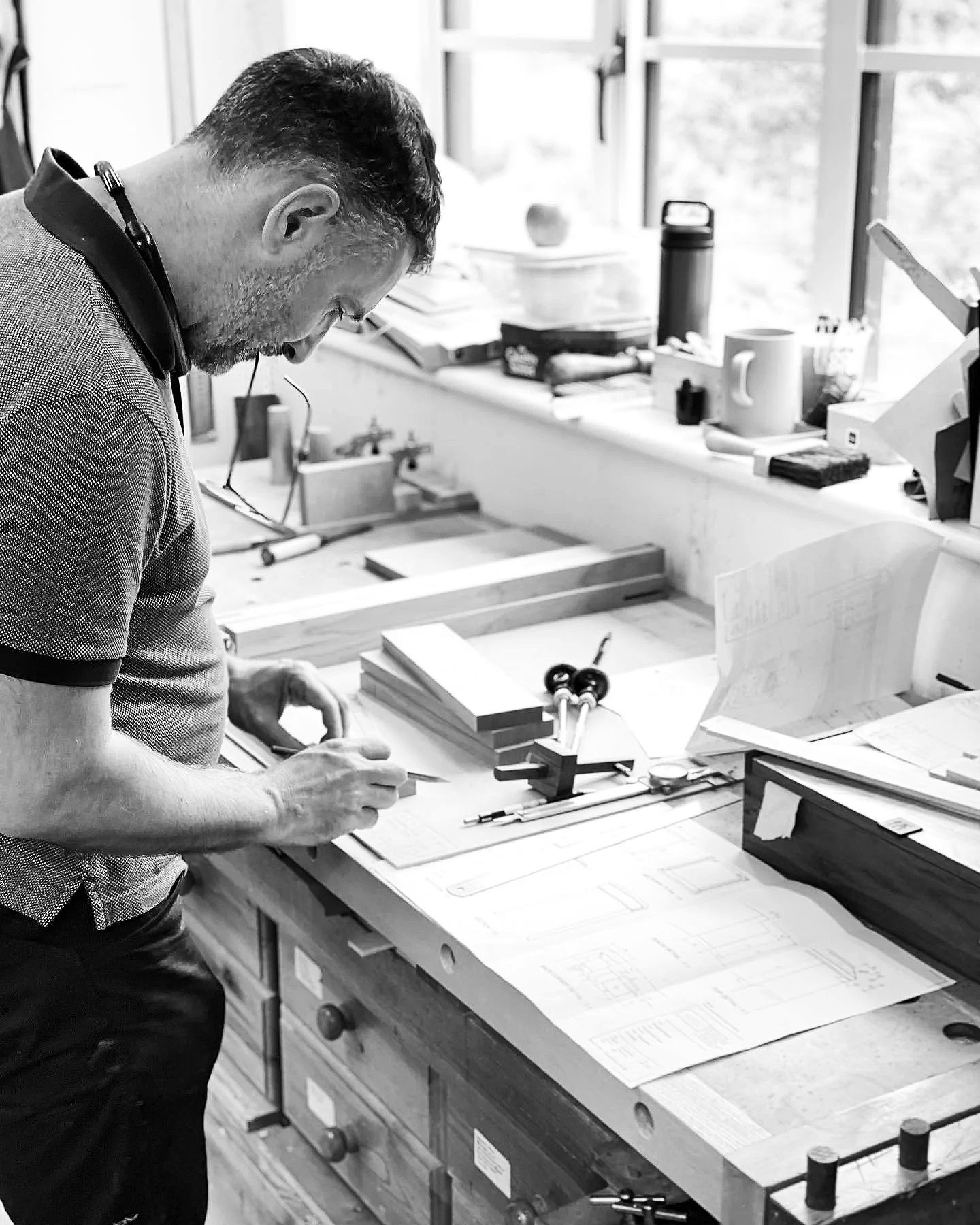
Students are encouraged to work thoughtfully and at their own pace, prioritising precision over speed. Through repetition and careful guidance, hand skills become more intuitive, tools become trusted extensions of the hand, and craftsmanship becomes a process of quiet confidence.
Teaching is highly individual, allowing each student to progress according to their experience, ambitions, and creative interests.
-
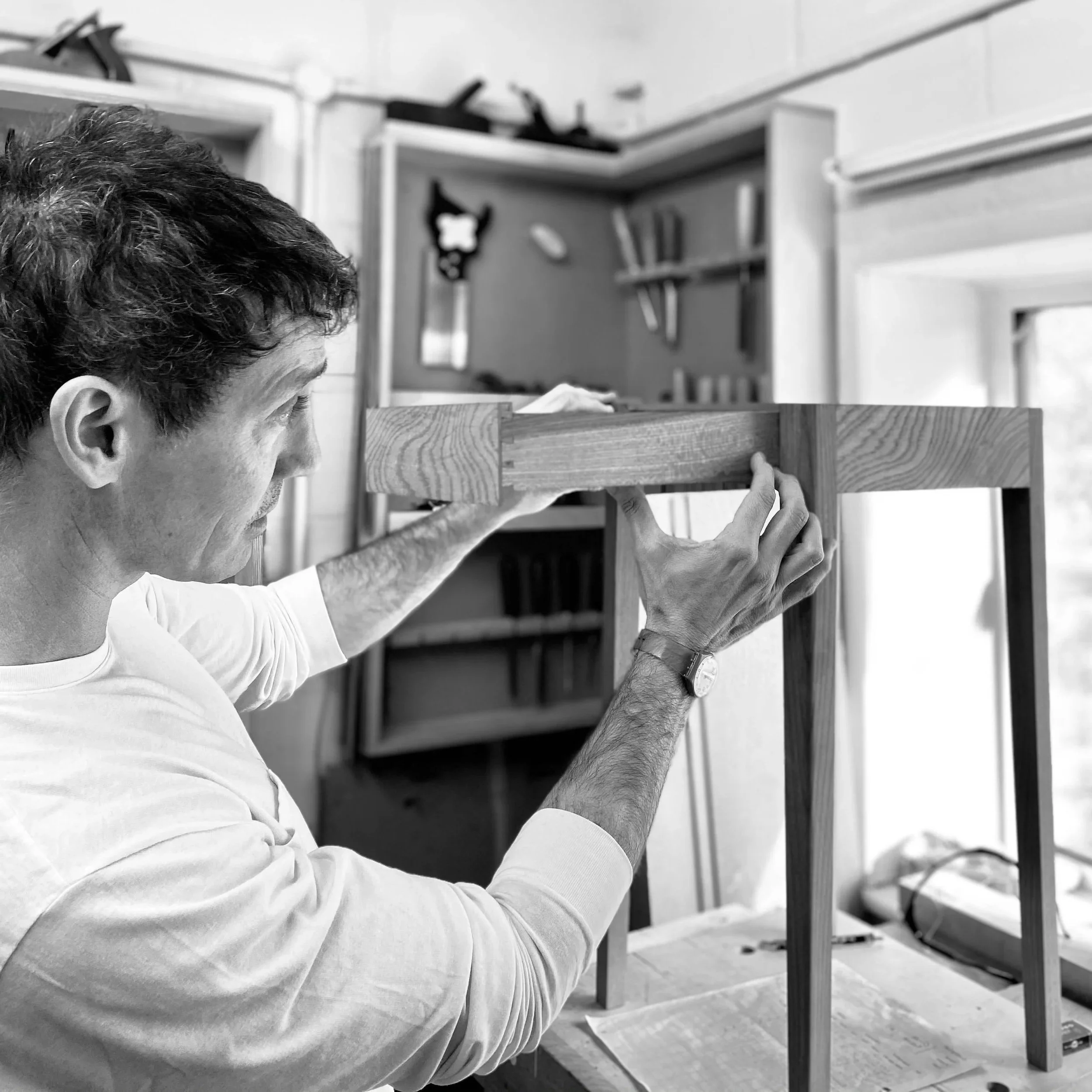
The course is predominantly workshop-based and delivered through a combination of demonstrations, practical projects, lectures, tutorials, discussion, research, professional presentations, external visits to exhibitions and furniture related companies, e.g. timber and veneer and individual mentoring.
-
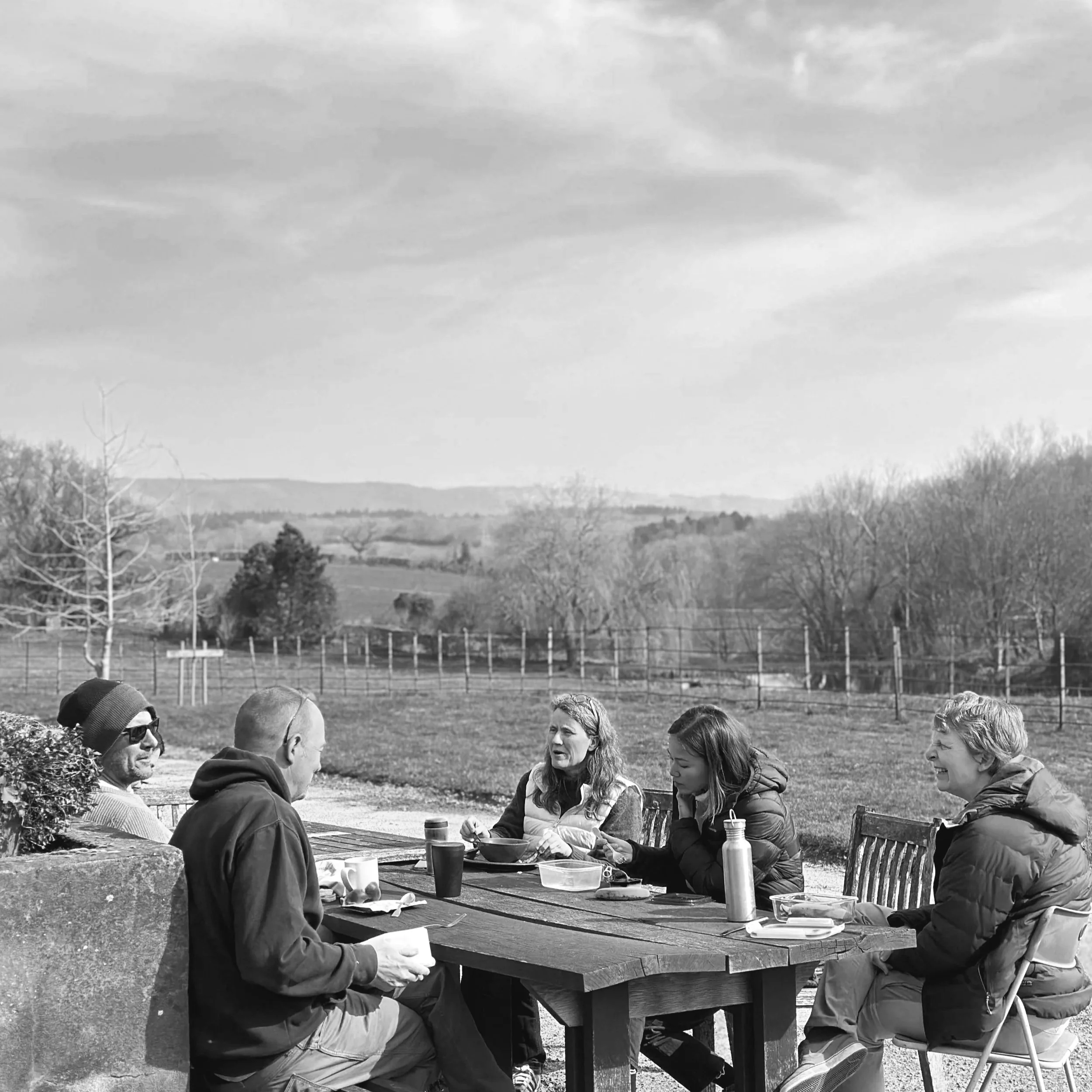
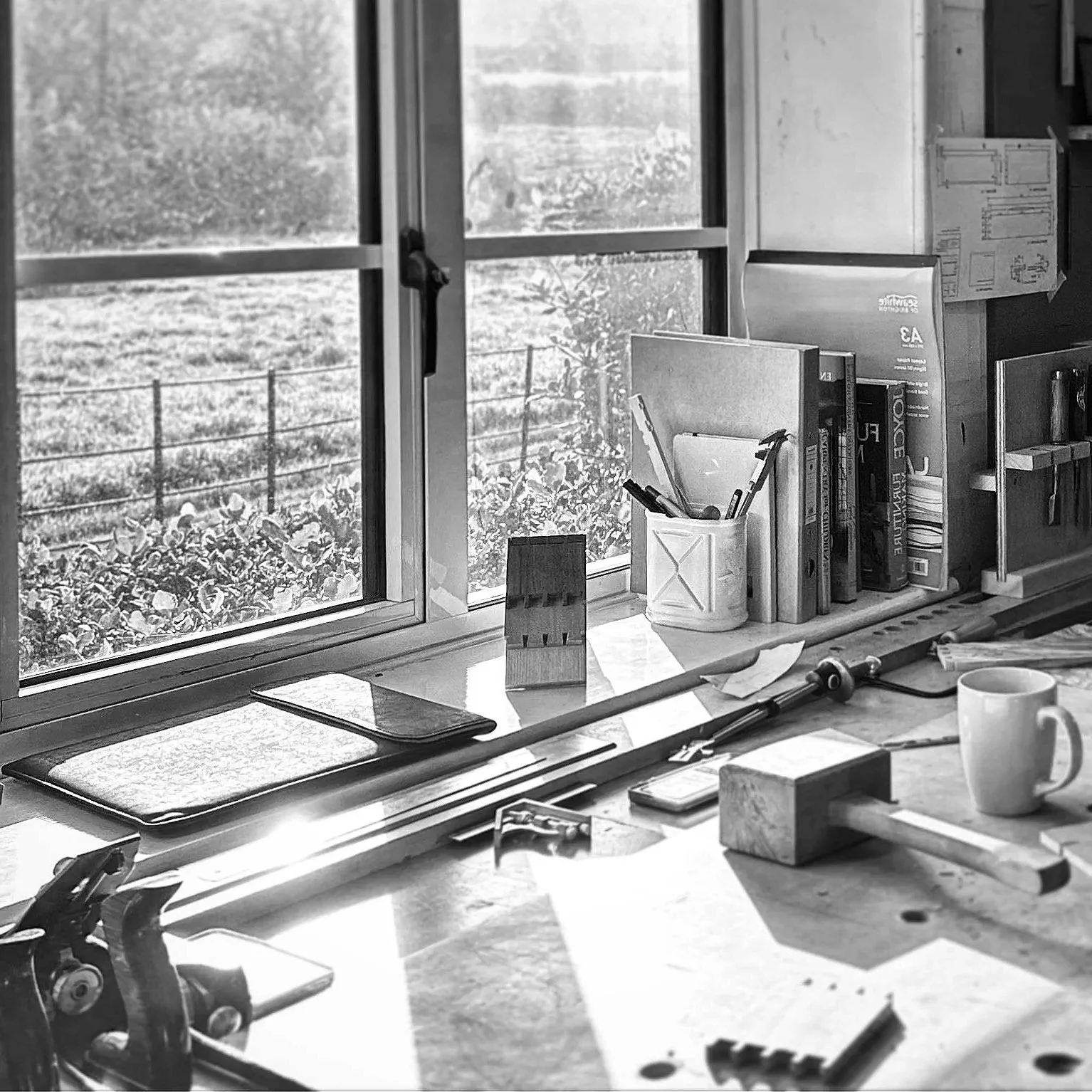
Just as important as technical training is the atmosphere of the workshop itself. Williams & Cleal values collaboration, enjoyment, and shared learning, fostering a focused yet relaxed studio environment where students support one another, exchange ideas, and grow within a genuine community of makers.
-
One of the advantages of studying at Williams & Cleal is the flexibility of our teaching structure. Because the workshop operates throughout the year, closing only for two weeks at Christmas , students are able to begin the Foundation Course at any time across the calendar, allowing greater flexibility around work, travel, and personal commitments.
Based within the main workshop alongside others at different stages of their furniture making journey, our rolling entry allows students to observe different approaches to making, gain insight into more advanced processes, and become part of a genuine community of makers.
-
If your course starts in 2026 the fees for the course are £4,800 (inc VAT). which includes the basic cost of set projects. Accommodation and meals are not included. If you require assistance arranging suitable local accommodation please contact us. In order to secure your place there is a non-refundable deposit of £2,400. On the first day of the course, we will then require the balance of £2,400.
The course fees and payment schedule for a course beginning in 2027 are as follows: Course fees - £4,950 (inc. VAT), deposit - £2,475, balance payment - £2,475.
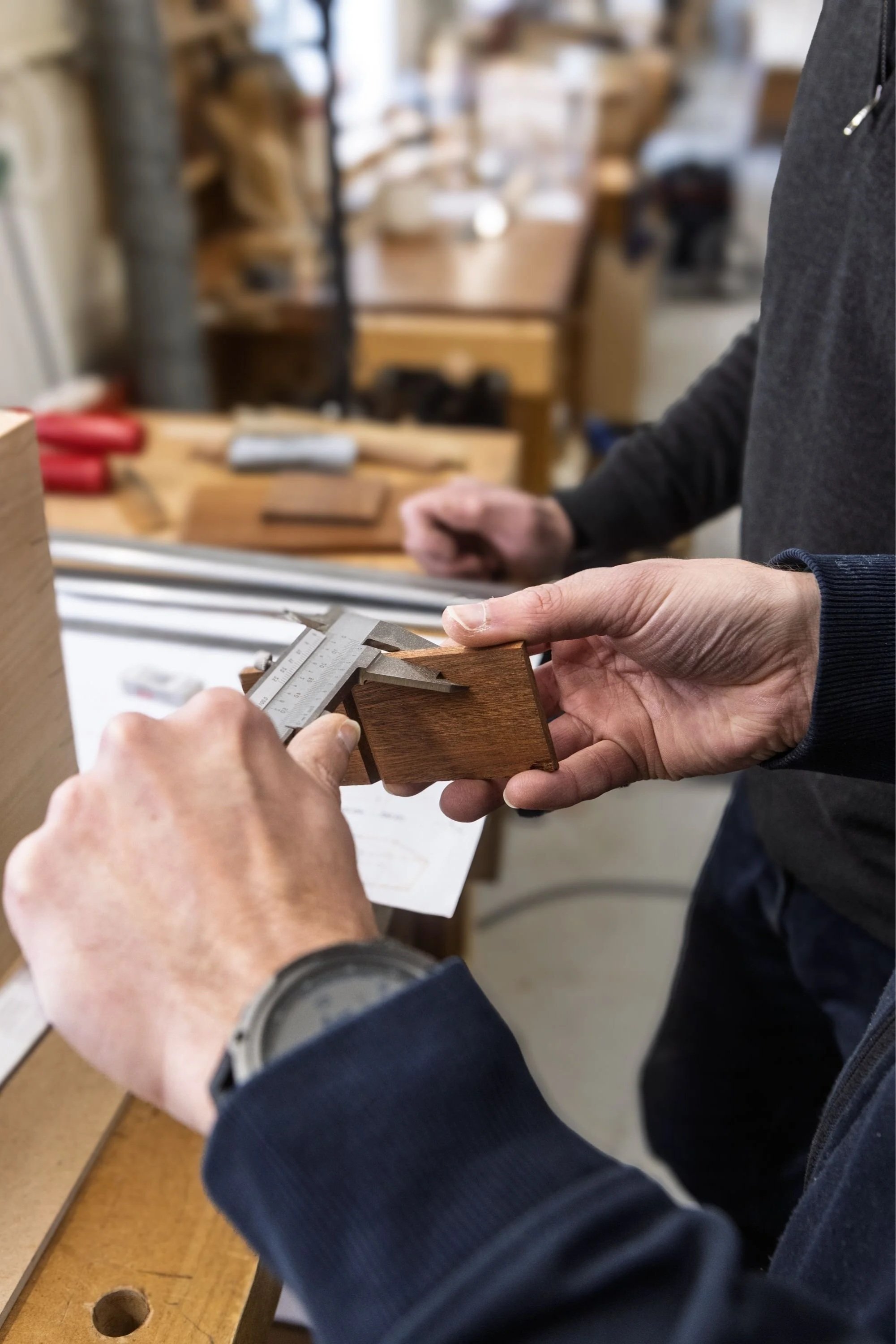
Projects
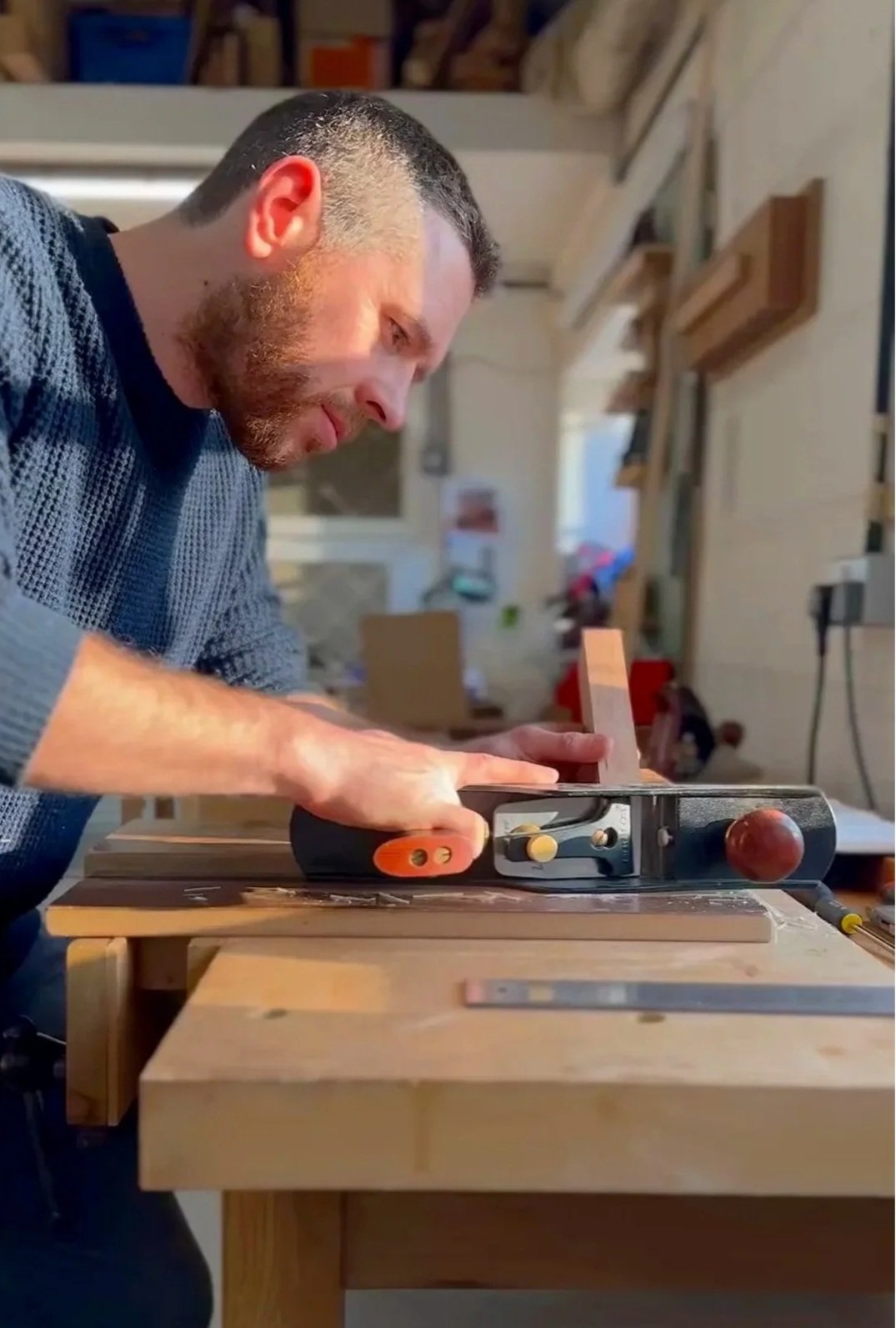
Foundations of Hand Skills
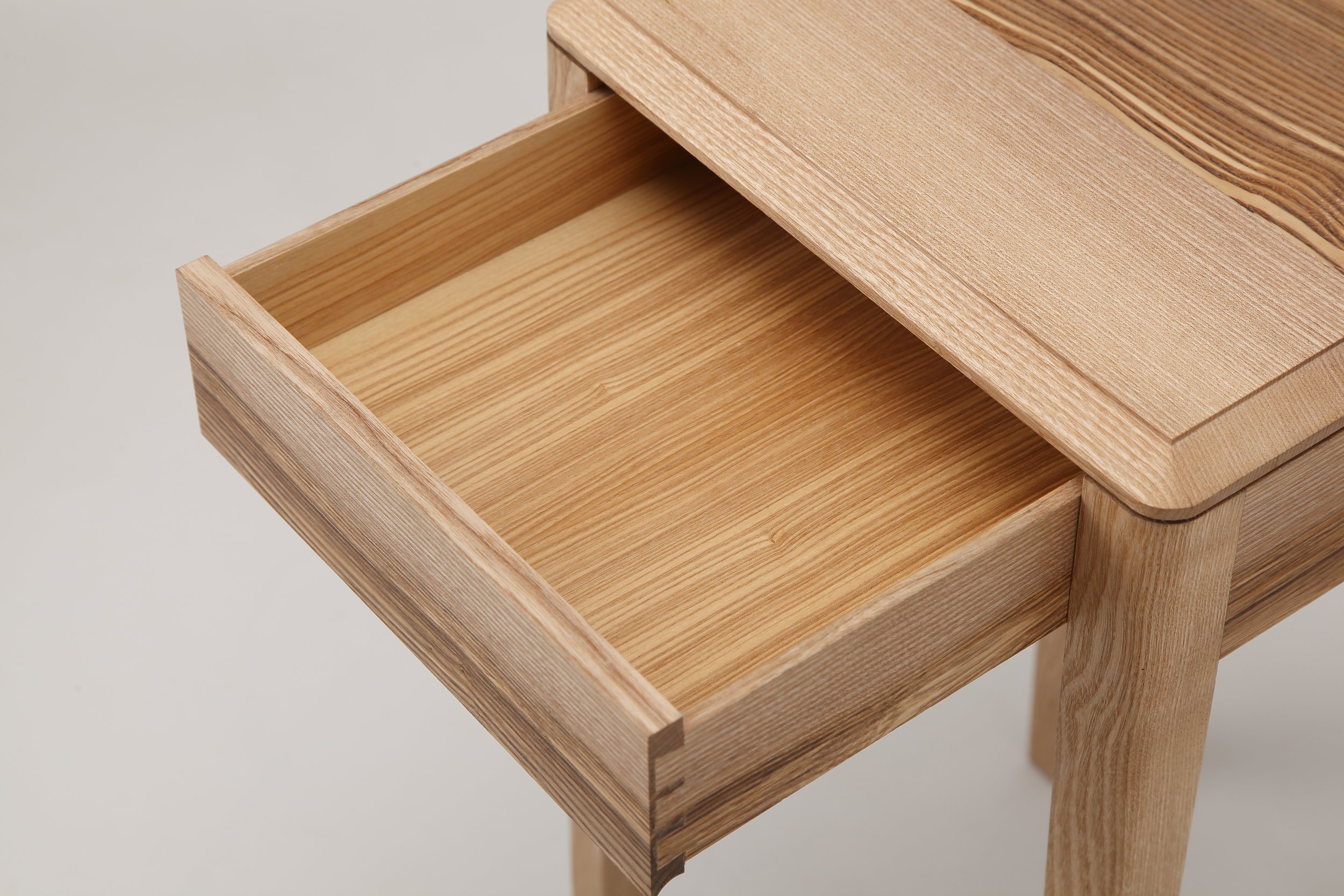
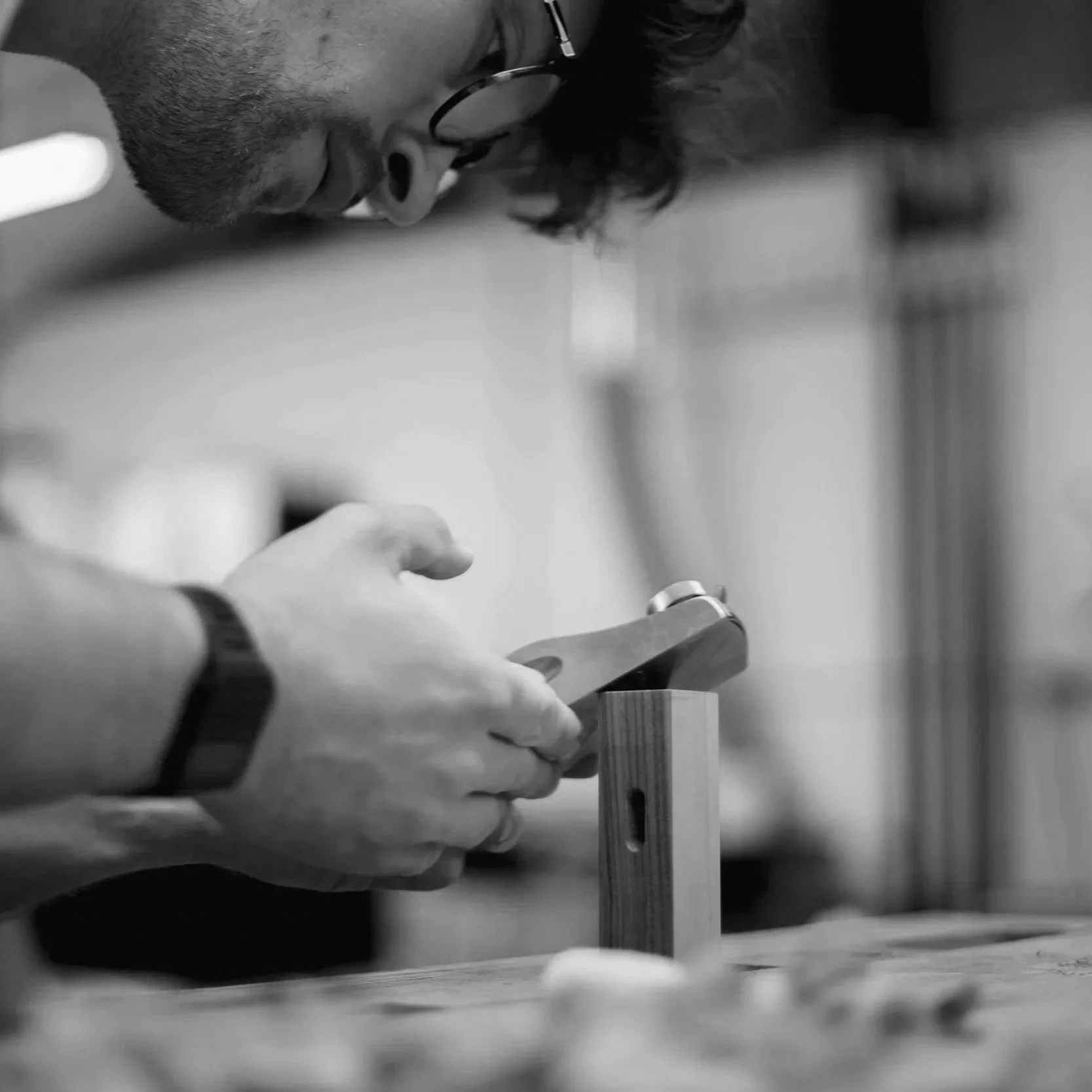
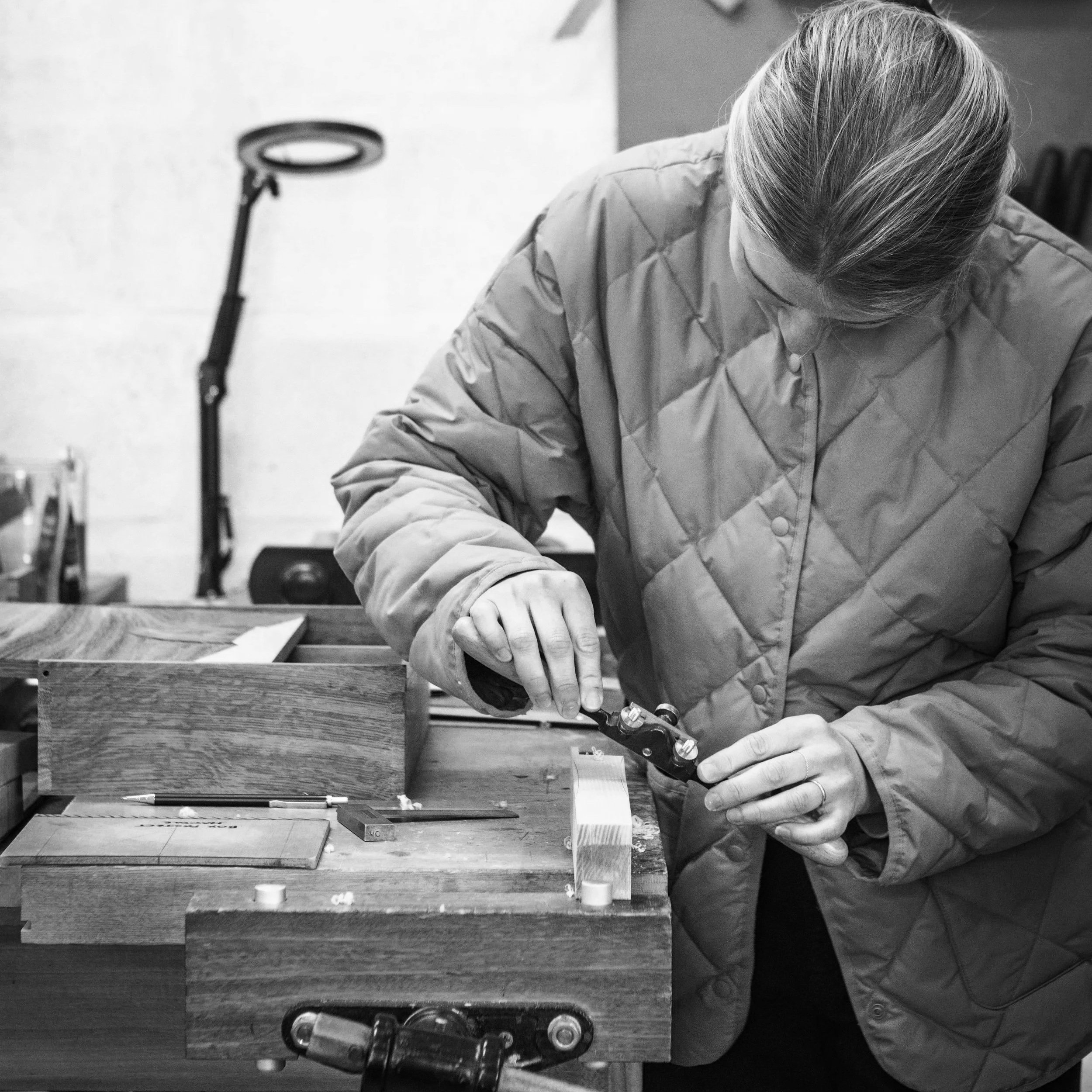
The course begins with the essential disciplines of traditional woodworking sharpening and maintaining hand tools, accurate marking, measuring, and understanding how to plane timber flat, square, and true. This will be delivered by making a traditional woodworking joint to an accuracy of 0.2mm.
These early exercises establish the habits and discipline that underpin all fine furniture making.
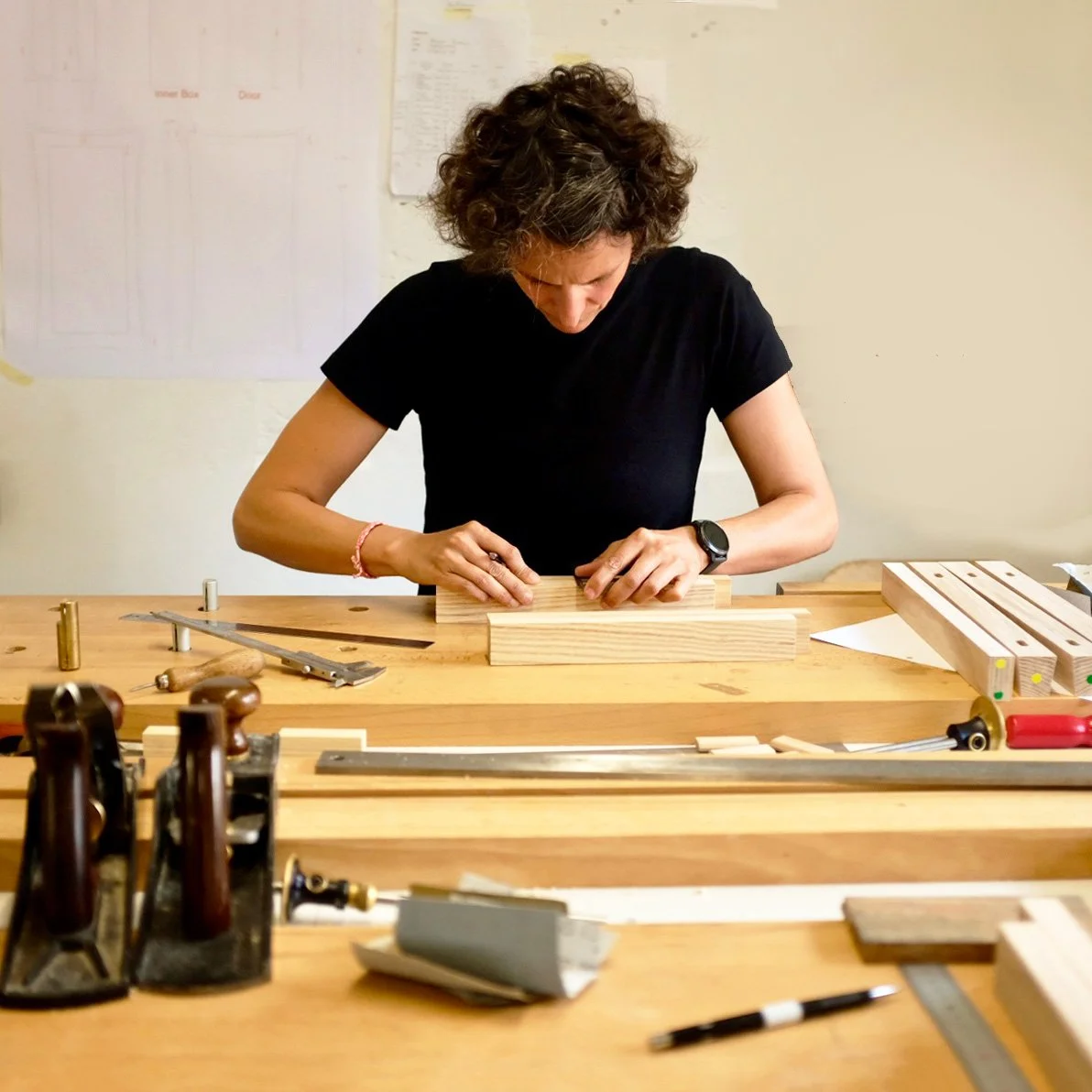
The Puzzle
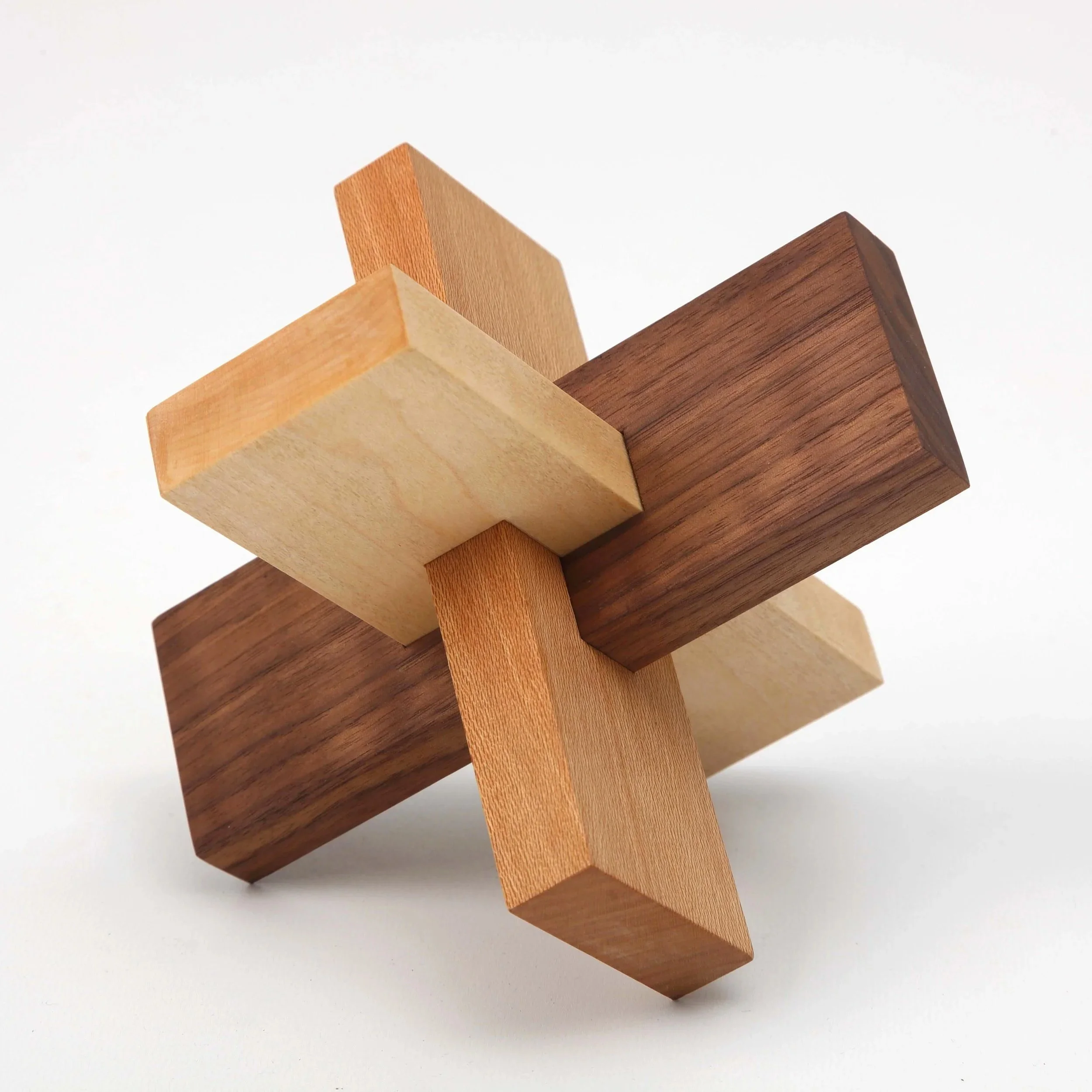
Following this, students make a three piece puzzle using different hardwoods, designed to refine spatial awareness, high making standards, and an understanding of geometry in wood. The exercise challenges students to think beyond two dimensional marking out, strengthening their confidence.
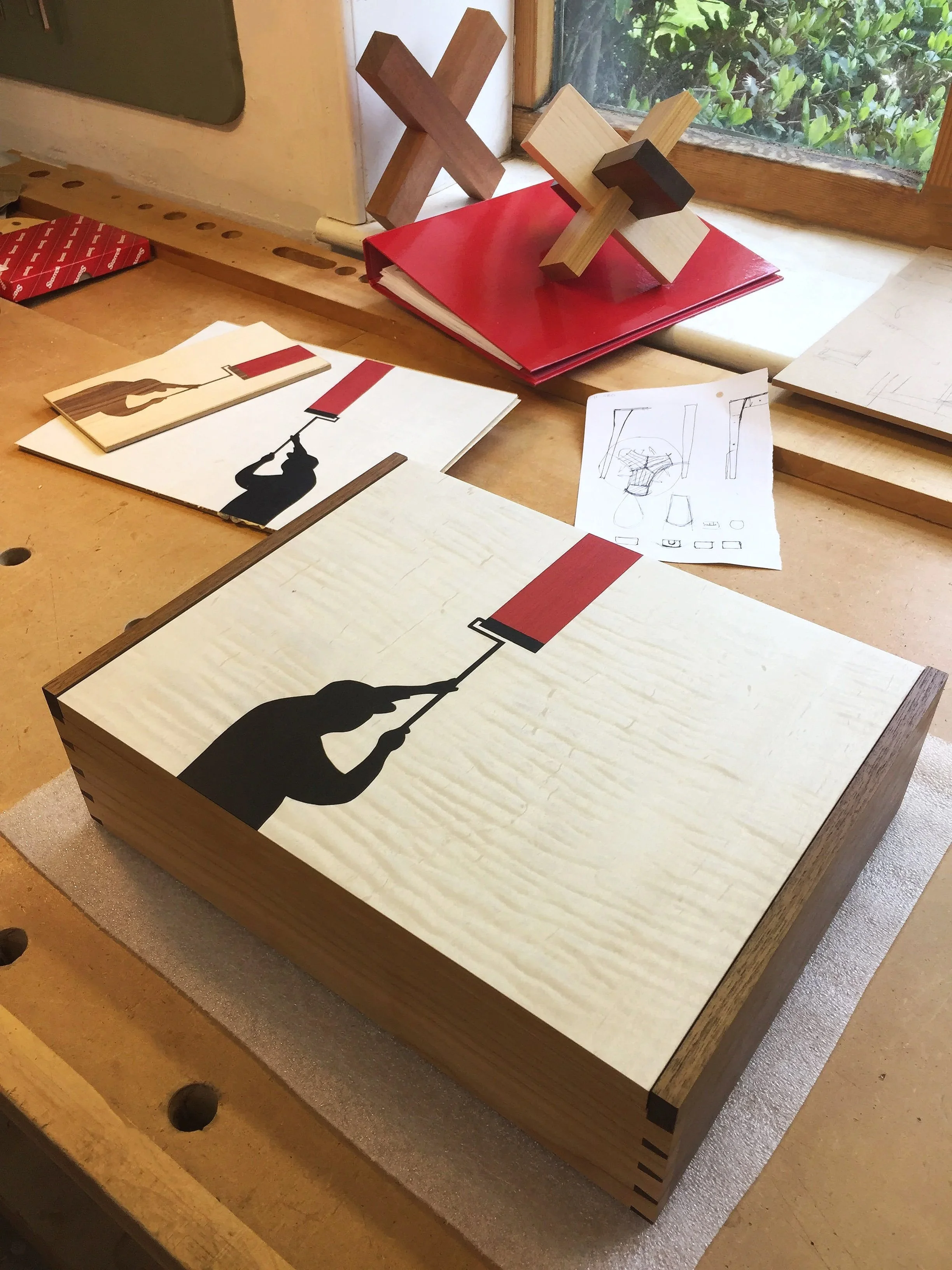
Handcrafted Box Making
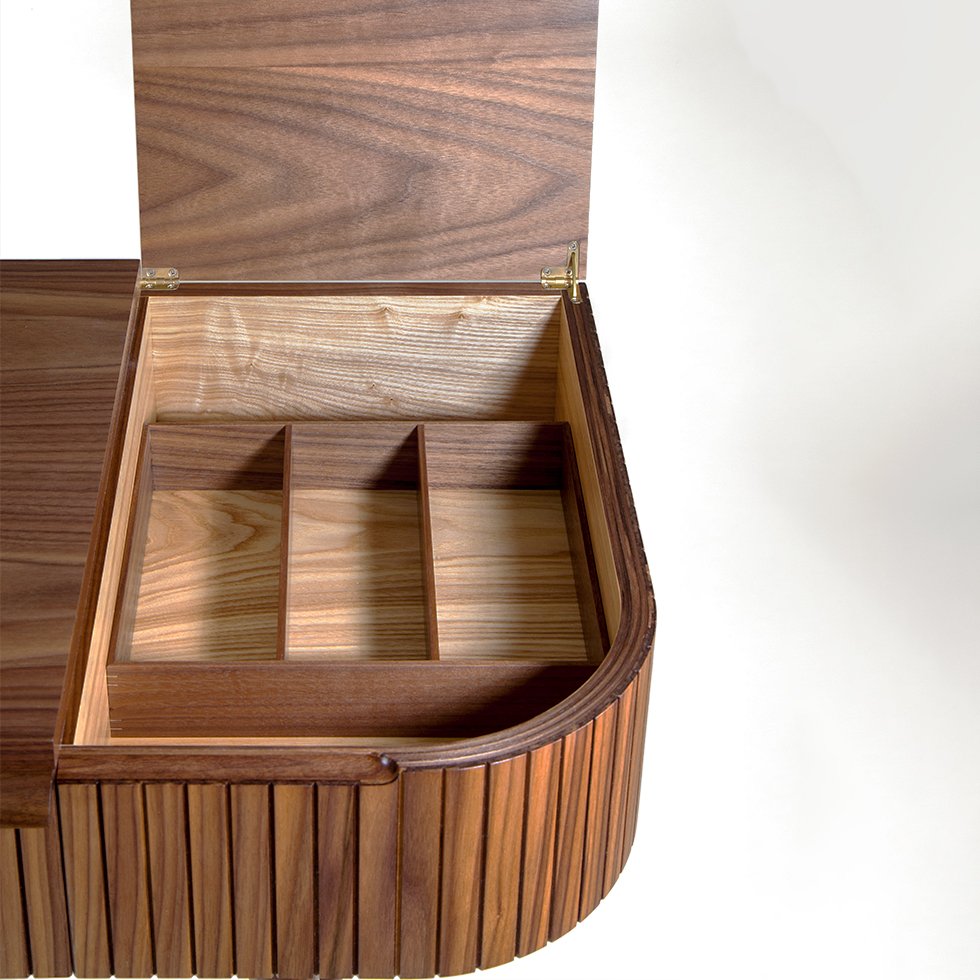
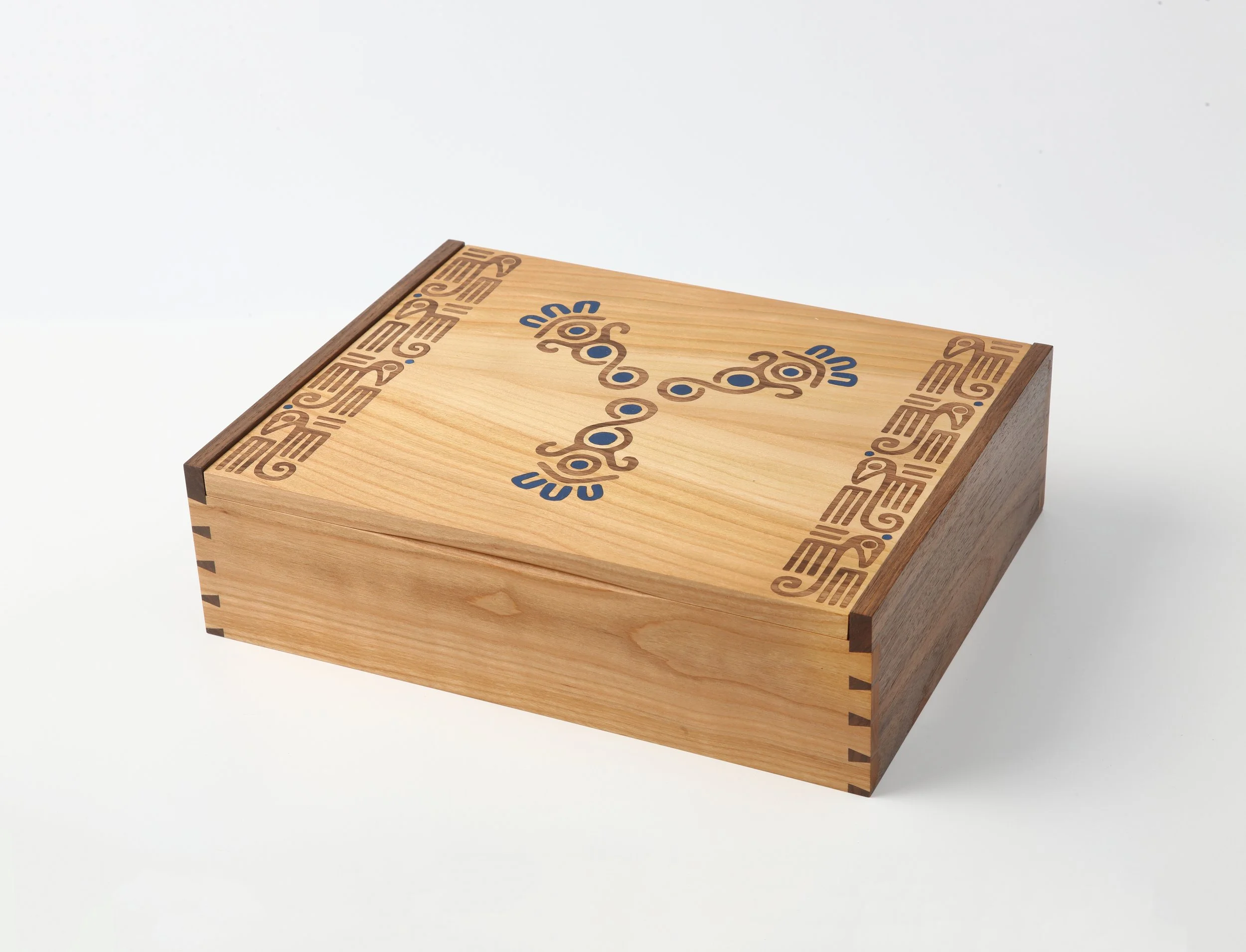
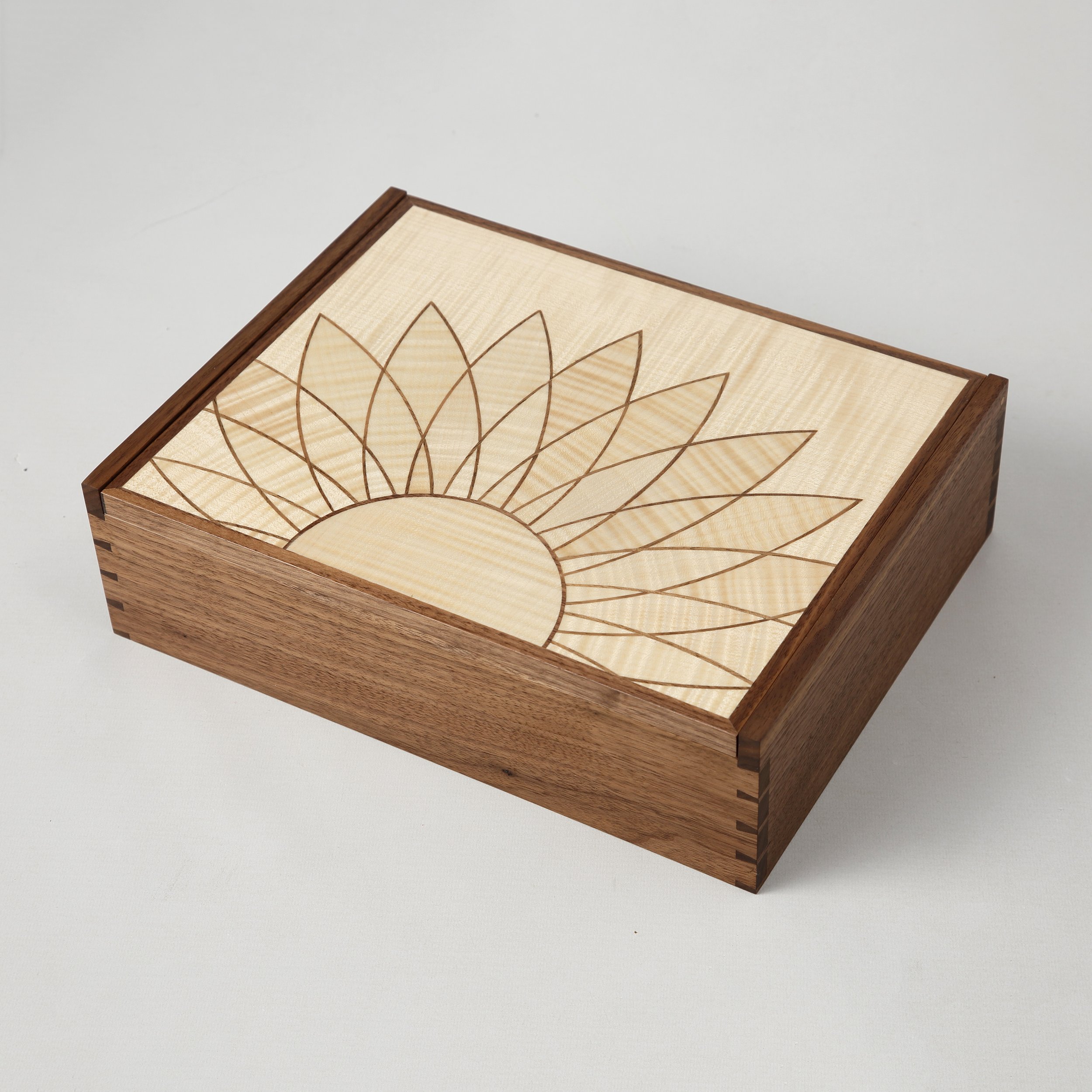
Building on these foundations, students progress to the making of a finely crafted box, incorporating hand cut dovetails and a hand veneered lid. This project also introduces students to the use of power tools.
The box project brings together the core techniques of cabinetmaking while allowing room for individual interpretation. The proportions, details and intended use of the box are chosen by each student, encouraging thoughtful design alongside technical development.
Course Content
-
Selection and set up of hand tools
Sharpening of tools
Use of hand and measuring tools
Adhesives and their correct use
Joint cutting
Cabinet scrapers and sanding
An appreciation of the variation in the standards of furniture making
-
Furniture components
Jointing and structures
Carcass and frame construction
Modern and traditional methods
-
Selection and cutting of veneers
Use of Vacuum Bags
Preparing and laying veneers
-
Aesthetic and structural value of a variety of materials
Timber technology
Timber identification
Material defects
Moisture content, seasoning and movement
Material conversion
Understanding and using veneer
Marquetry work
-
The identification and use of key power tools
Safe working practices
Learning the potential applications of all the key power tools
Maintenance including changing and sharpening of cutters, saws and blades
-
Health and safety in a workshop
The selection, maintenance and use of a variety of machines
Designing safe and effective jigs
-
Freehand drawing and sketching
Perspective
Working drawings
Colour awareness and application
The design process
Design vocabulary
3D awareness
Personal design philosophy
-
The properties and application of a range of finishes
The safe use of finishing materials
The implications when assembling furniture
Abrasives in hand and machining operations
Hand finishing
Beyond the Foundation
The Foundation Course introduces students to the breadth of fine furniture making. There is also space to explore individual interests, develop ideas, and, where time allows, gain experience in additional processes such as wood turning and other specialist techniques.
This combination of focus and exploration helps students build confidence and skill, while establishing a strong foundation in traditional furniture making. By the end of the course, students leave with a secure understanding of core principles and a clearer sense of how they can be developed further.
The natural next step from here is The Practitioner Course, which is designed as a direct continuation and progression from The Foundation. It builds on the skills already established and moves students into a more advanced level of making, depth, and independence within the workshop.
Students can progress immediately from the Foundation course into the Practitioner course, to continue building naturally without interruption. Equally, some students choose to take time away from the school between courses, whether to develop ideas, gain further experience, or reflect on the direction they wish to take before returning to continue their training. Please note - course fees are set on an annual basis. If you complete one course and commence a subsequent course in a later calendar year, the fee for the later course will be charged at the rate applicable for that year.
Others may decide to access ourBespoke Tailored service, to support particular projects or areas of interest once their ambitions become clearer. Whichever path is taken, the intention remains the same, to support each student in moving forward with confidence, clarity, and a steadily deepening connection to their craft.
Visit the workshops
Visiting the school or attending a short course can be the best way to experience the workshop environment and understand whether the course is the right fit for you.
Prospective students are welcome to tour the workshop, meet the tutors, view current student work and discuss their ambitions in more detail. We encourage visitors to experience the atmosphere of the school first hand and see the standard of craftsmanship being produced within the workshop.
Many students first attend our ‘Five Day Introduction to Fine Furniture Making’ course before progressing onto longer term study with us. Visits can usually be arranged on weekdays, with evenings or weekends available by appointment where needed.