

Exposure to both traditional and contemporary making methods
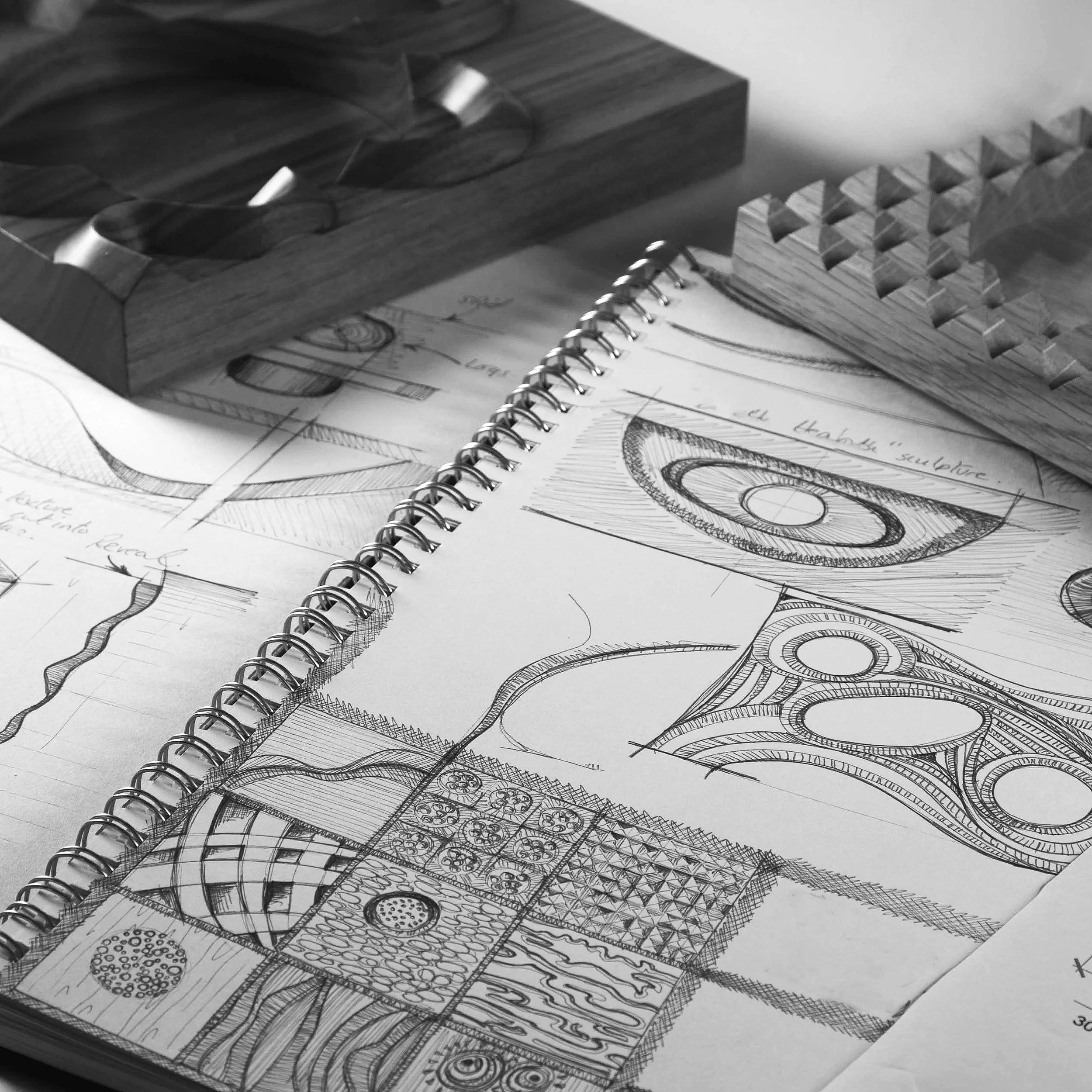
CAD, drawing and presentation skills
Flexible and personalised learning pathways
Industry insight and career preparation
Access to digital technologies and modern workshop processes
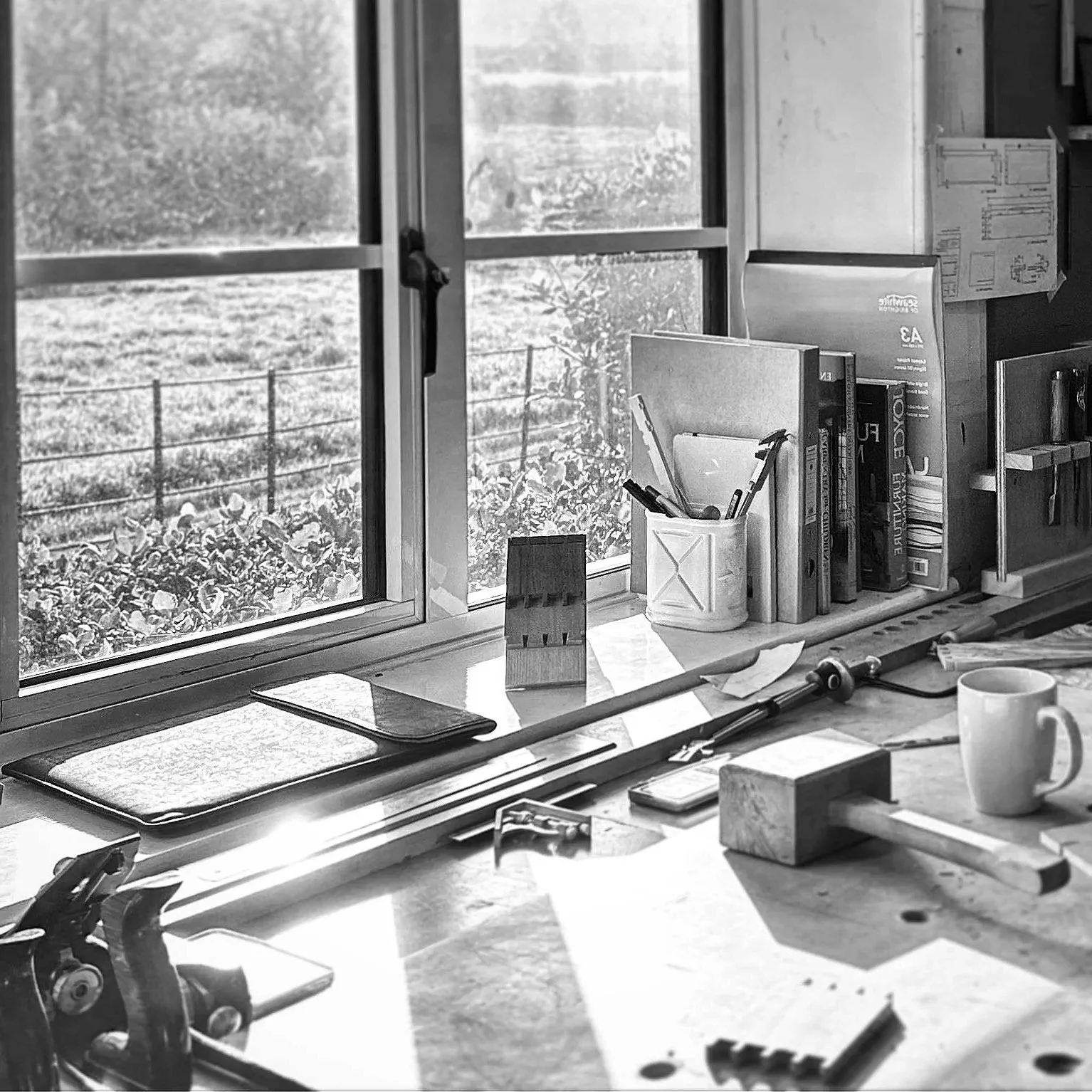
A calm and inspiring rural workshop environment
Friendly workshop culture
What you can expect
Low student-to-tutor ratio
Extensive workshop-based learning
Supportive and collaborative studio culture
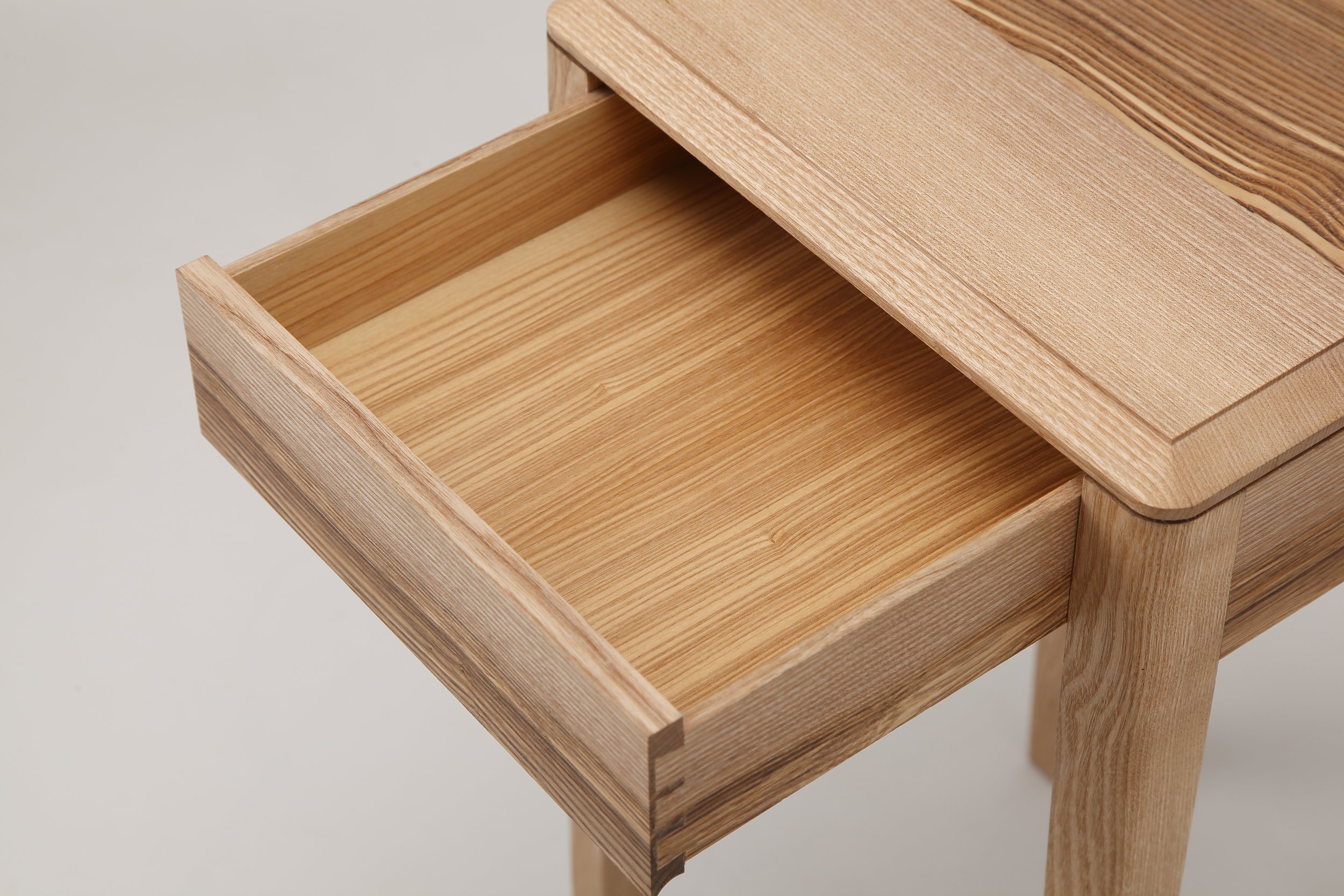
Strong development of hand skills and craftsmanship
Professional standards and commercial awareness
Individual design development and creative confidence
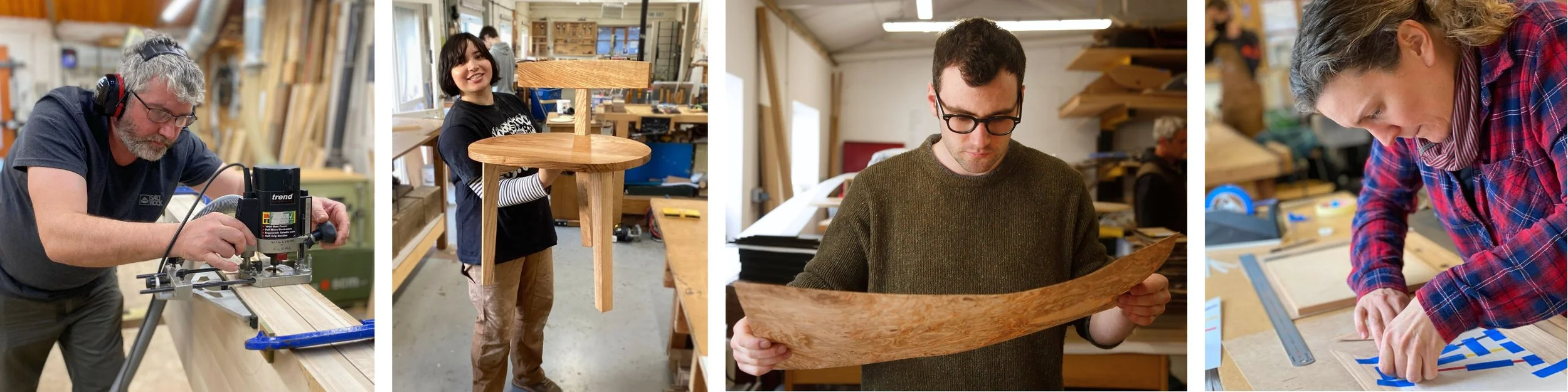
Our Philosophy
The teaching at Williams & Cleal is rooted in the traditions of British fine furniture making, where craft, hand skills, material understanding and considered design remain central to the making process.
Alongside this foundation, the W&C team bring a fluent understanding of contemporary design thinking, digital technologies, and modern production methods. Not as a departure from craft, but as a natural extension, allowing hand and machine to work in quiet harmony. We recognise that students arrive with different ambitions, from professional practice, establishing a business, to pursuing craftsmanship for personal fulfilment. As an independent school, we can adapt the course to support individual goals, interests, and creative direction.
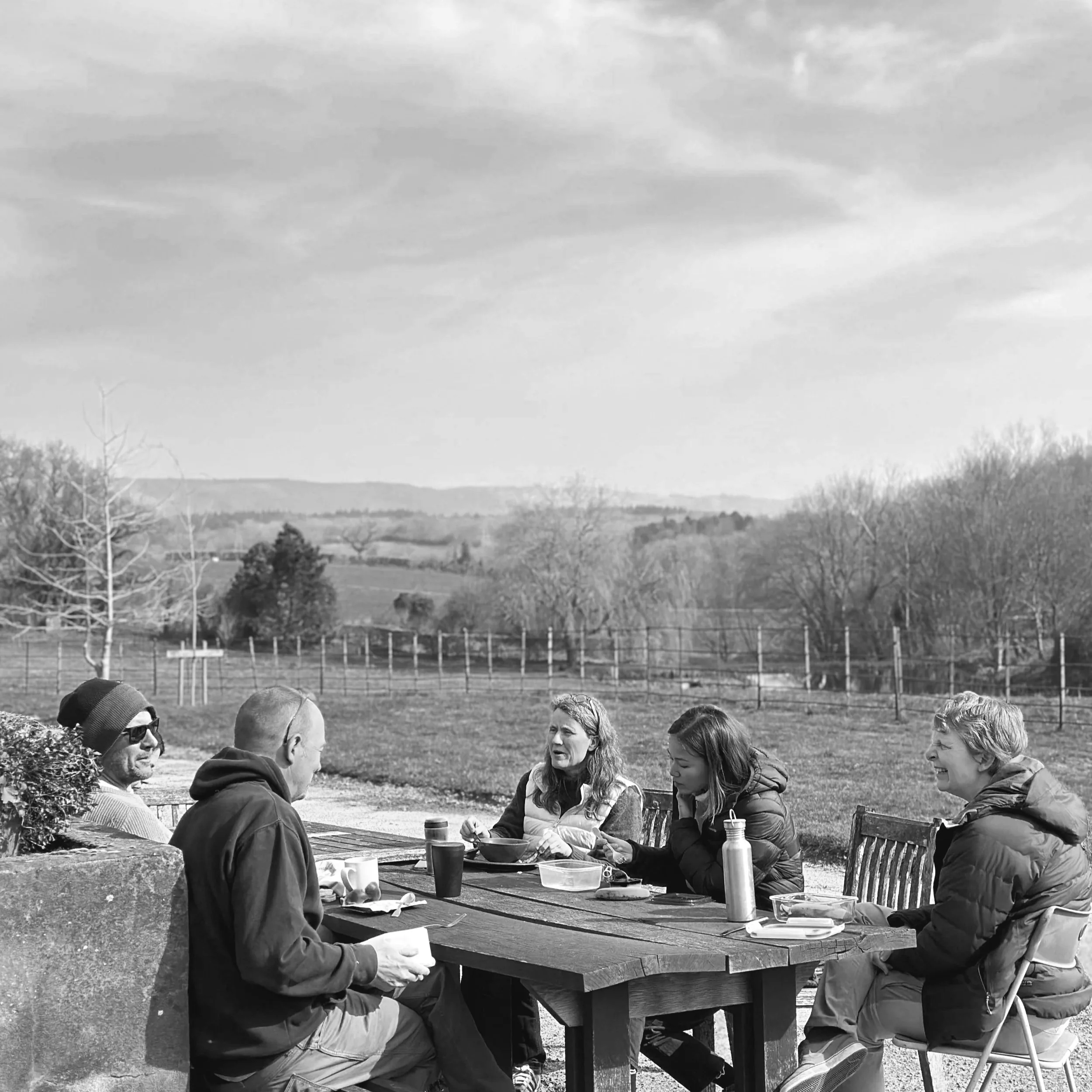
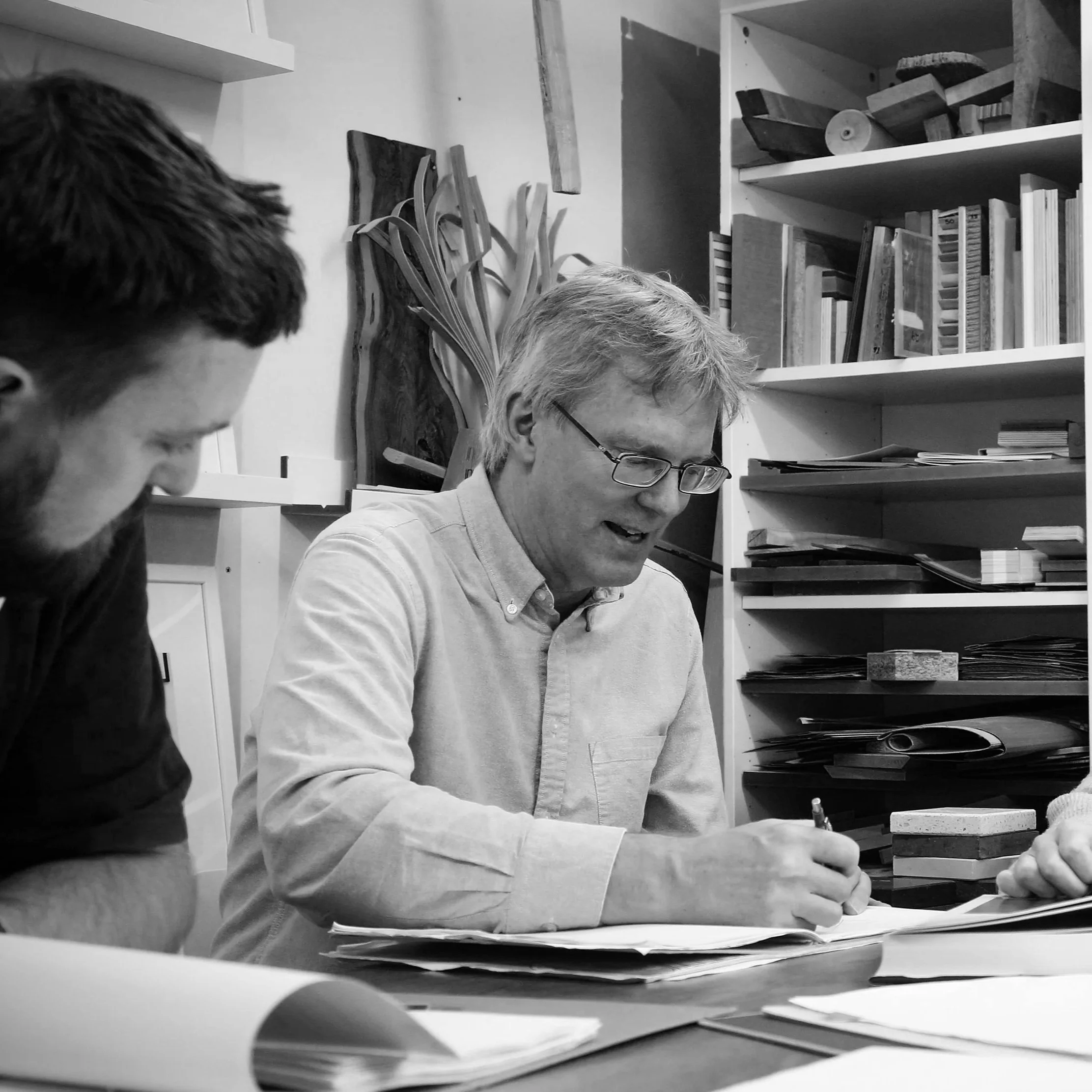
Just as important as technical training, is the atmosphere of the workshop itself. Williams & Cleal value collaboration, enjoyment and shared learning. The studio environment is focused yet relaxed, where students support one another, exchange ideas and develop within a genuine community of makers.
Course Structure
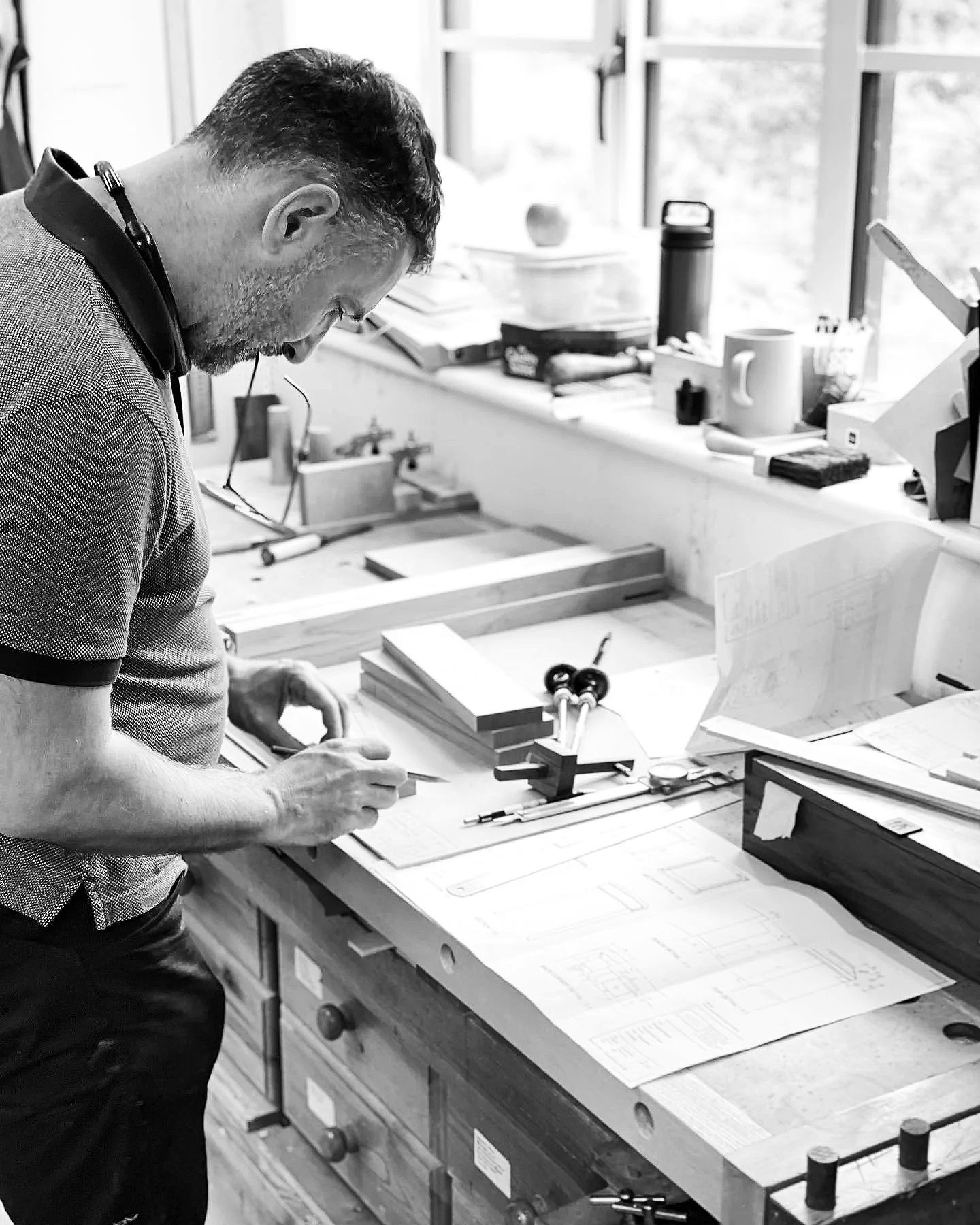
The course is predominantly workshop-based and delivered through a combination of demonstrations, practical projects, lectures, tutorials, discussion, research, professional presentations, external visits to exhibitions and furniture related companies, e.g. timber and veneer and individual mentoring. During the early stages of the course, students develop essential hand and machine skills through three set projects. Alongside workshop practice, students attend sessions covering varied subjects including construction, timber technology, CAD, drawing, design development and furniture history. As confidence and technical ability grow, increasing emphasis is placed on independent design and making. Students are supported in developing their own creative direction, to produce original pieces of furniture that reflect their individual interests and ambitions. Typically between two and five self-directed pieces are completed, depending on complexity and pace of working.
Flexible Attendance
We understand that taking 48.5 weeks out to train as a furniture maker is a big step, and that sometimes flexibility is needed by course providers to help students pursue their aspirations. With this in mind, our course offers great freedom. Our Professional course equates to a total of 200 days, 40 weeks tuition within a 48.5 week enrolment window. This flexibility may include the possibility of a four day week. It is also helpful to students wishing to organise their course around blocks of employment, holiday personal commitments etc.
Materials and Tools
We can provide all the hand tools you need, but typically students bring or subsequently purchase their own. We suggest budgeting between £2000 to £4000 to cover materials and tool purchases. This is in addition to the course fee, but it will vary depending on what you decide to make during your course and whether you decide to buy tools.
Terms & Conditions
Fees for the 40 weeks course in 2026/2027 are £23,500 (inc VAT), which includes the cost of initial set projects. Accommodation and meals are not included. If you require assistance arranging suitable local accommodation please contact us. In order to secure your place there is a non-refundable deposit of £3,525. On the first day of the course, we will then require a further £11,750. The balance of £8,225 is due on the first day of the 21st week. The course fees and payment schedule for a course beginning in 2027 are as follows: Course fees - £24,250 (inc. VAT), deposit - £3,630, first instalment - £12,120, second instalment - £8,500.
In more detail
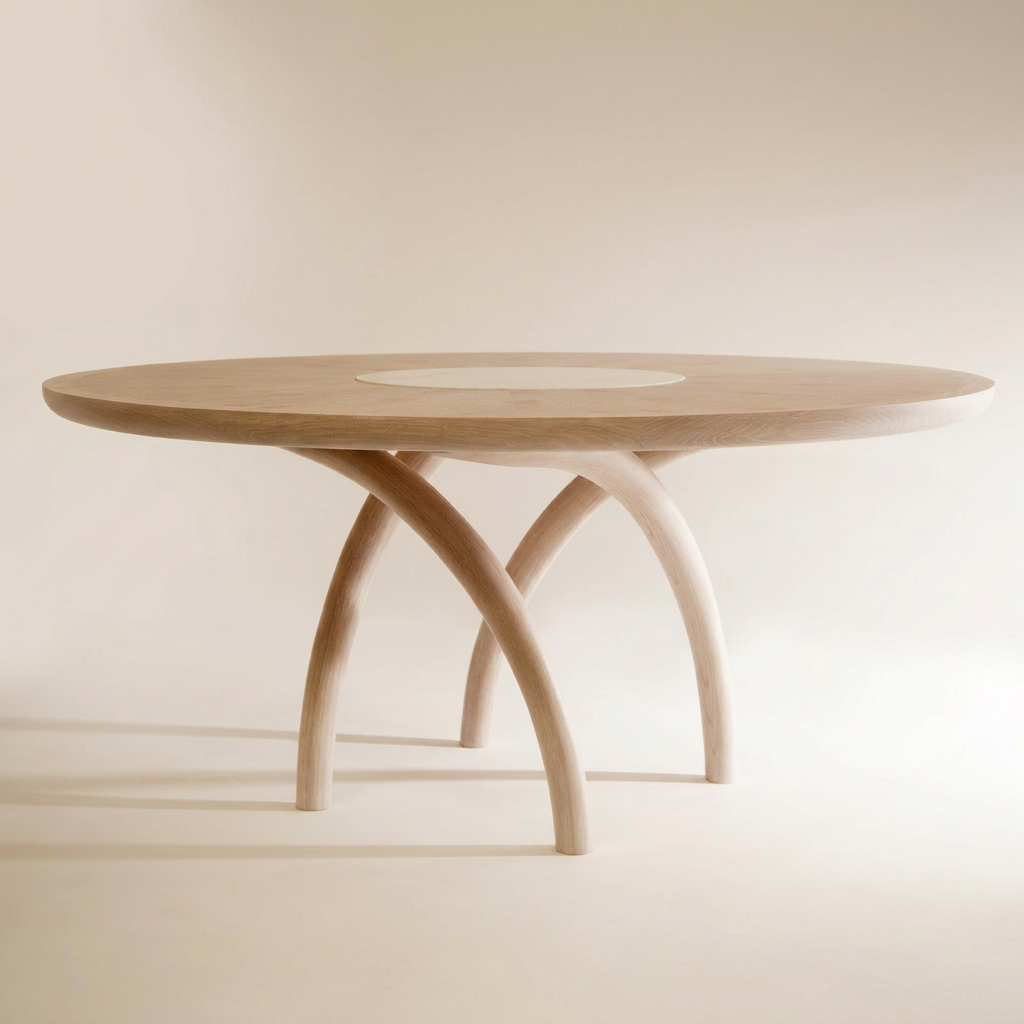
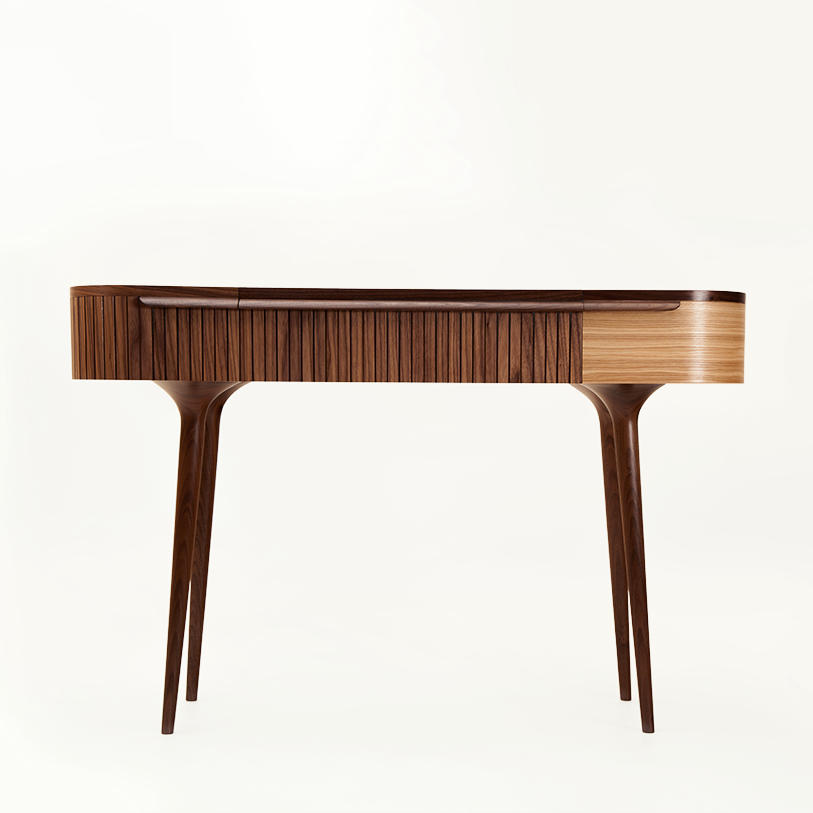
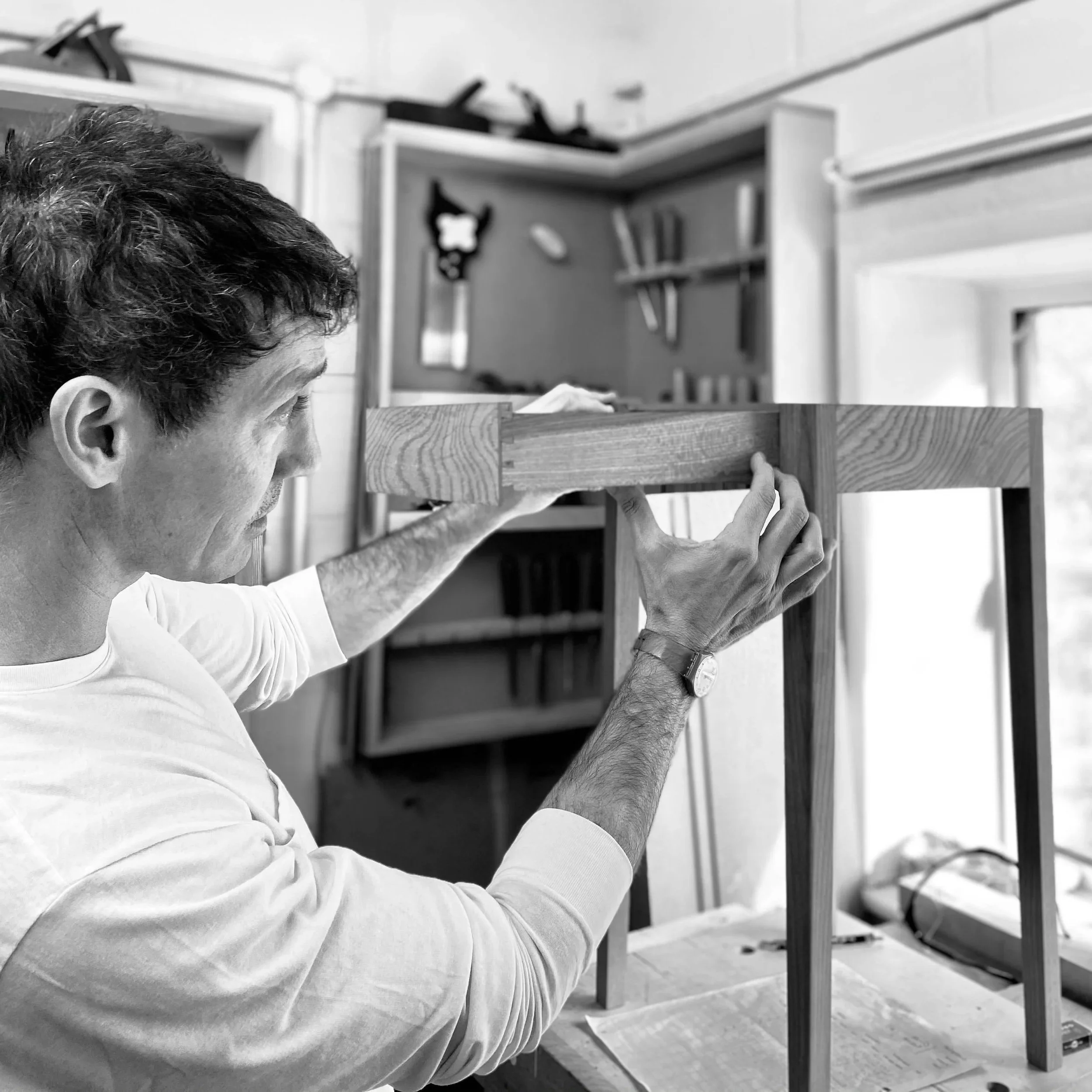
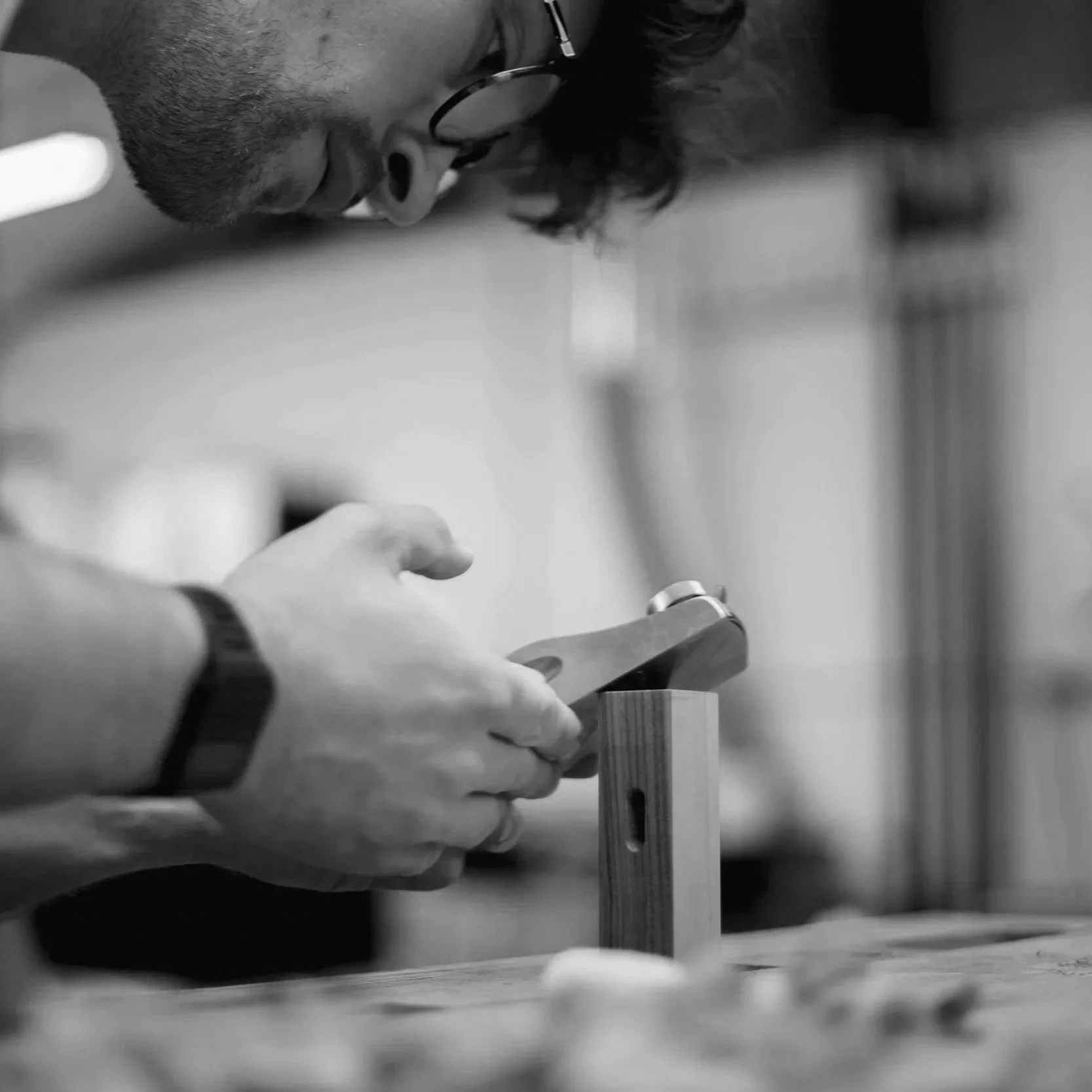
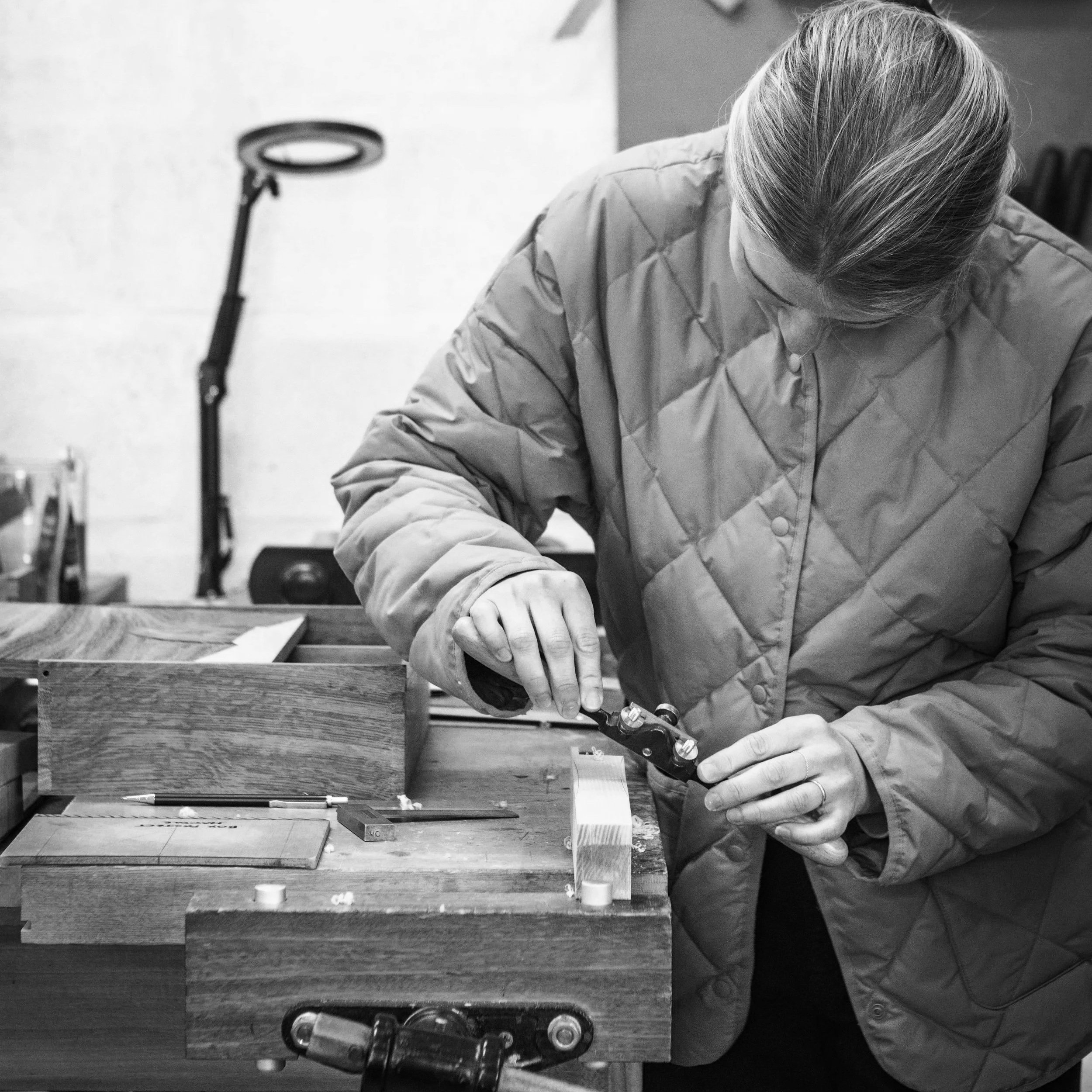
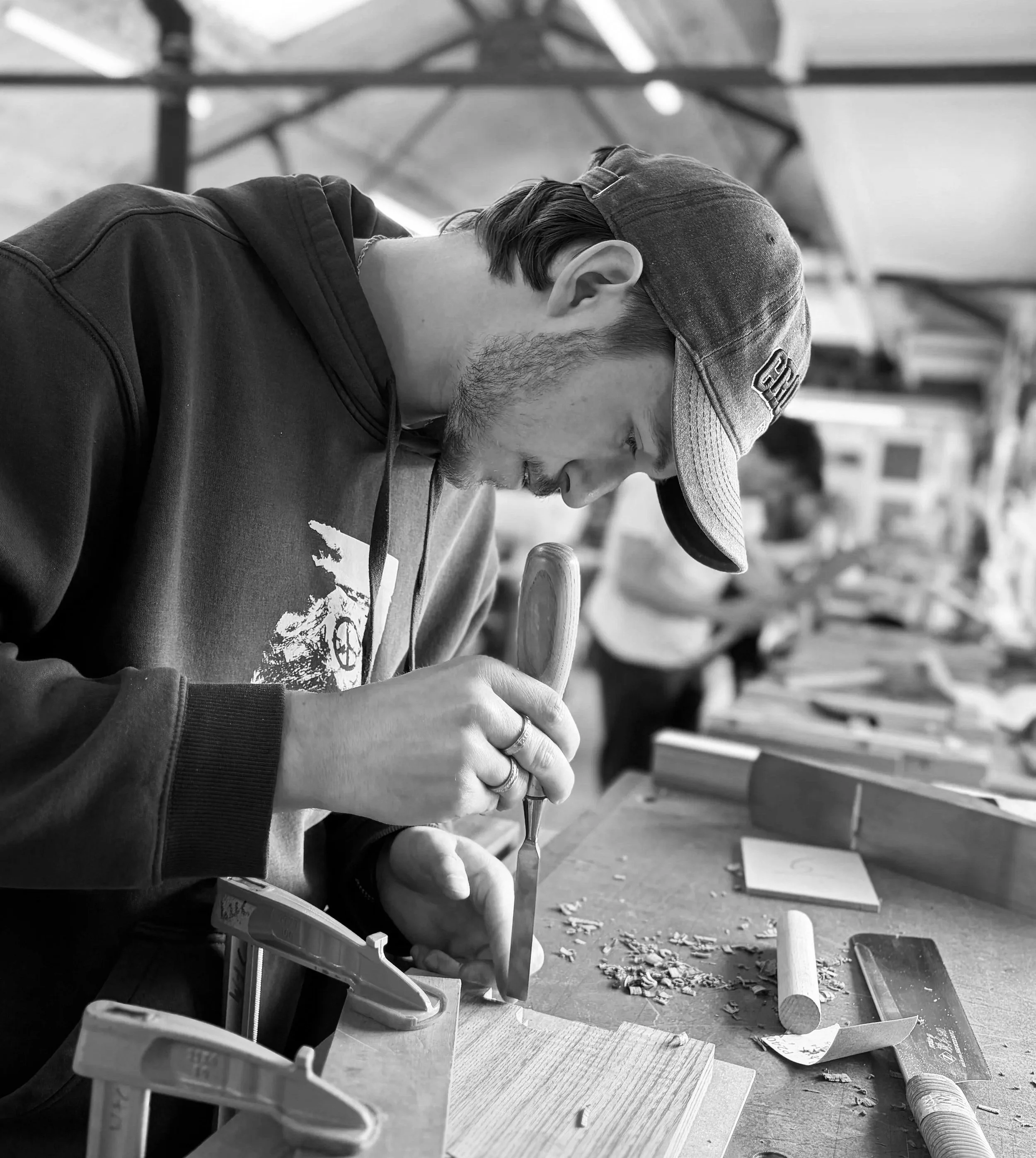
Students are immersed in the discipline of fine furniture making from the very beginning. Through an intensive grounding in timber, hand skills and traditional craftsmanship, they quickly develop the precision, sensitivity and confidence required to produce work of exceptional quality, working to a tolerance of 0.2mm. Every process is approached with care, cultivating not only technical ability, but a deeper understanding of material, process and form.
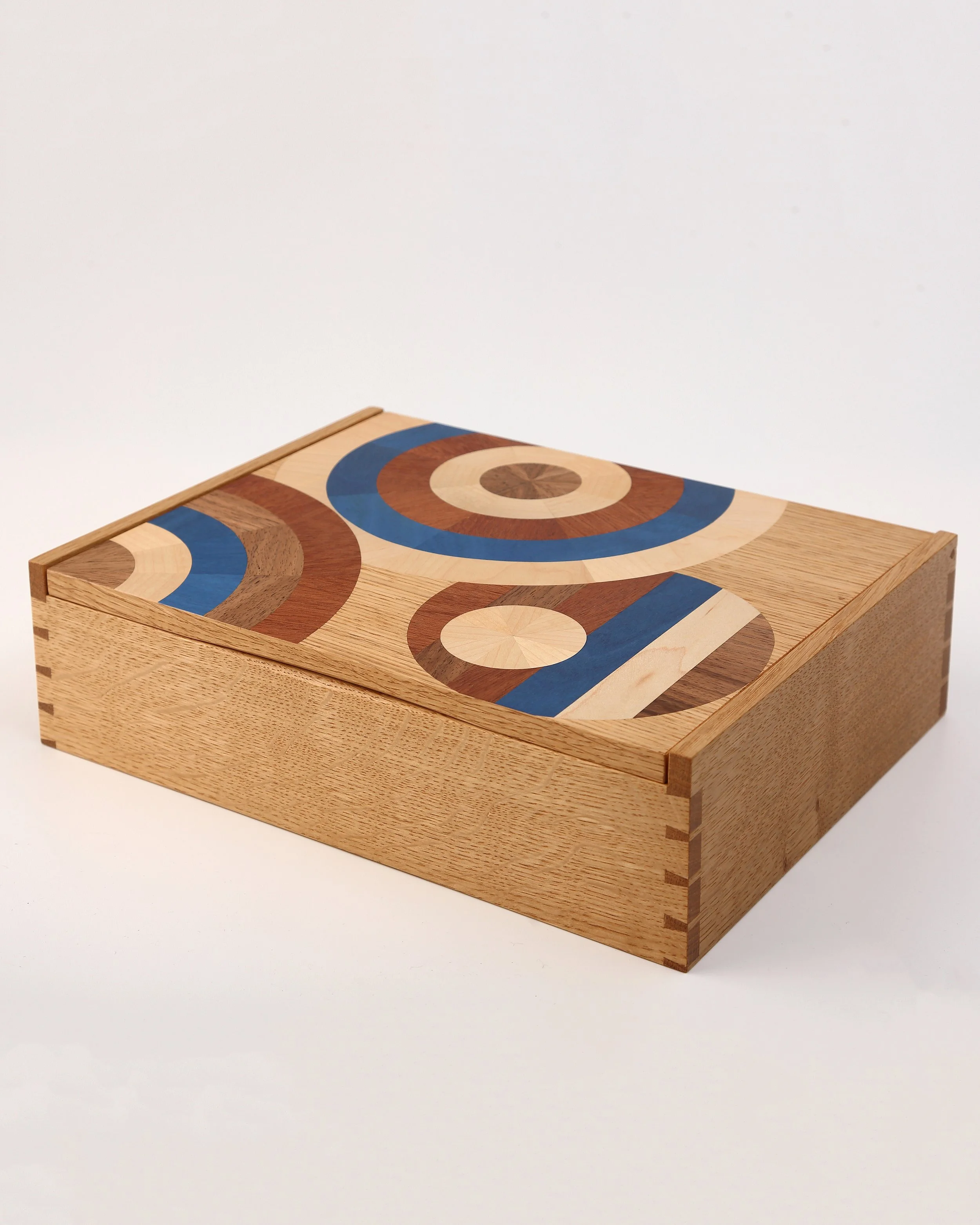
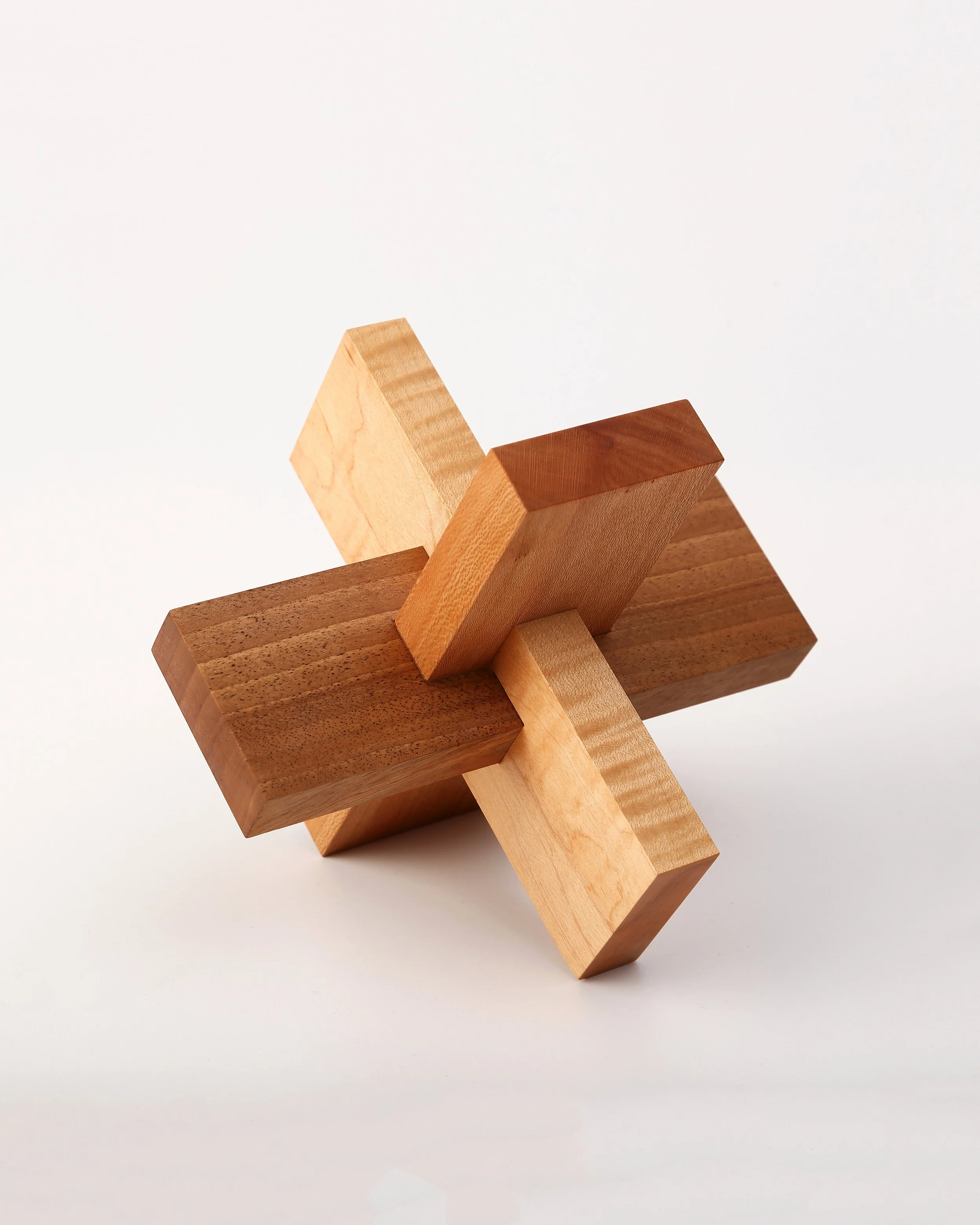
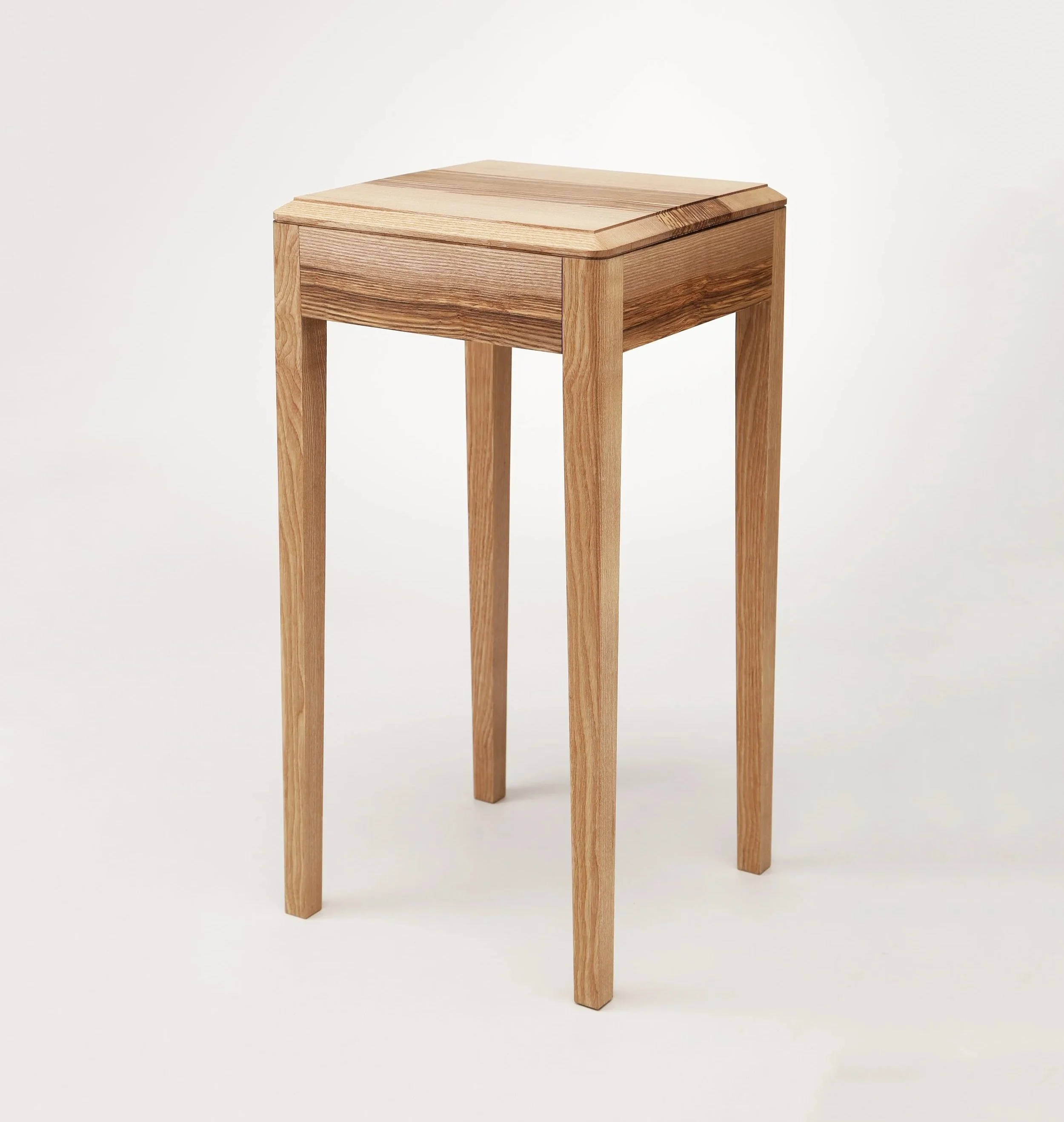
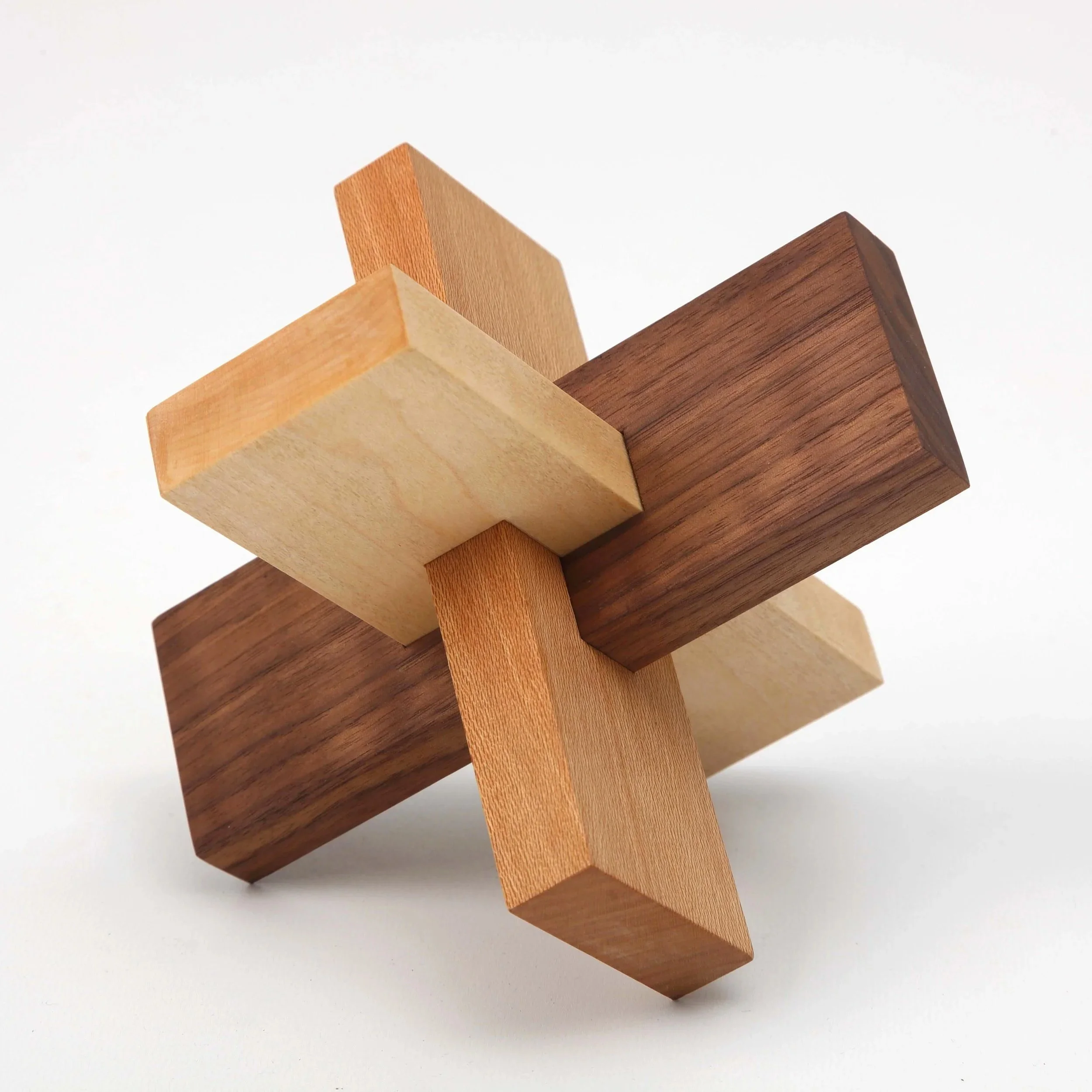
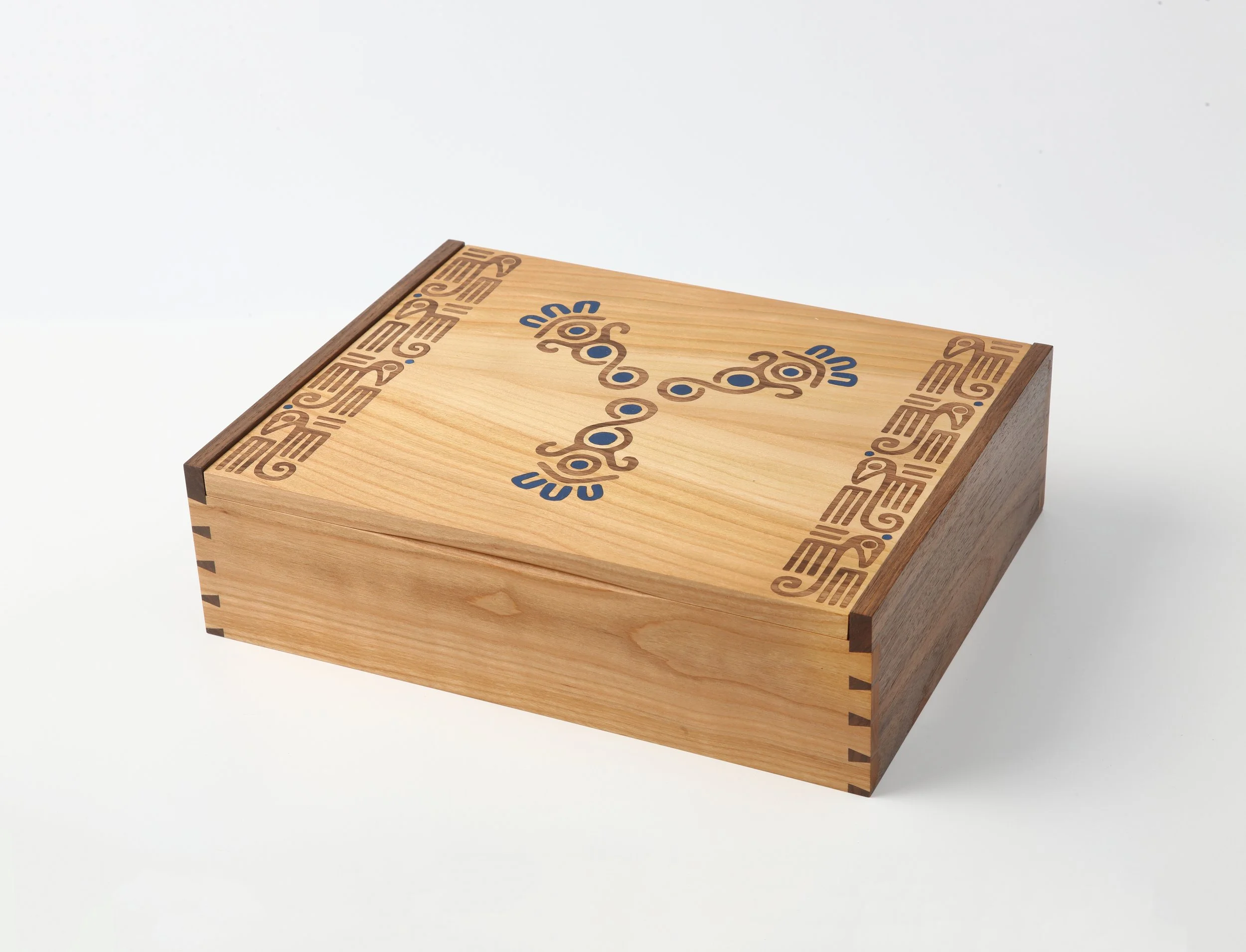
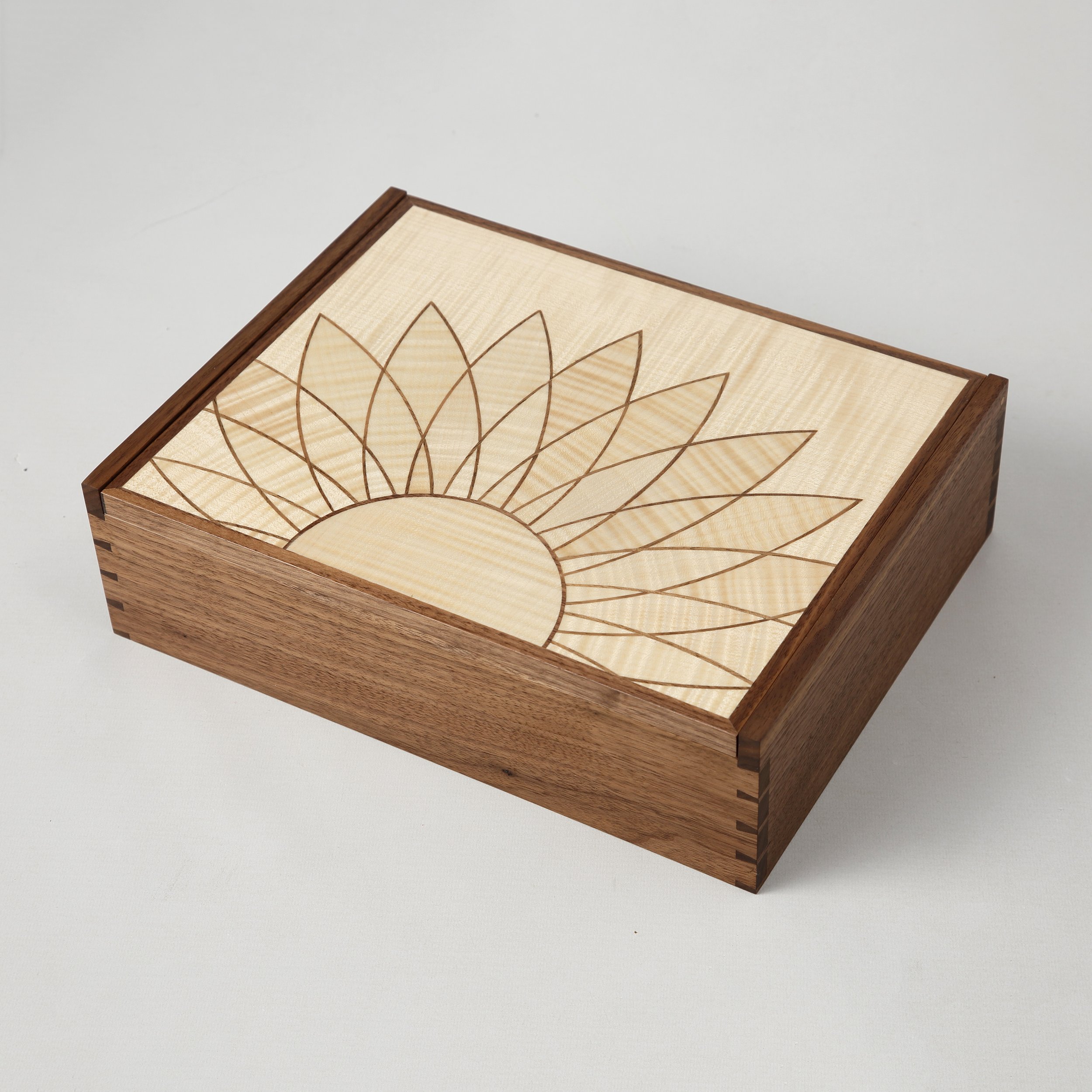
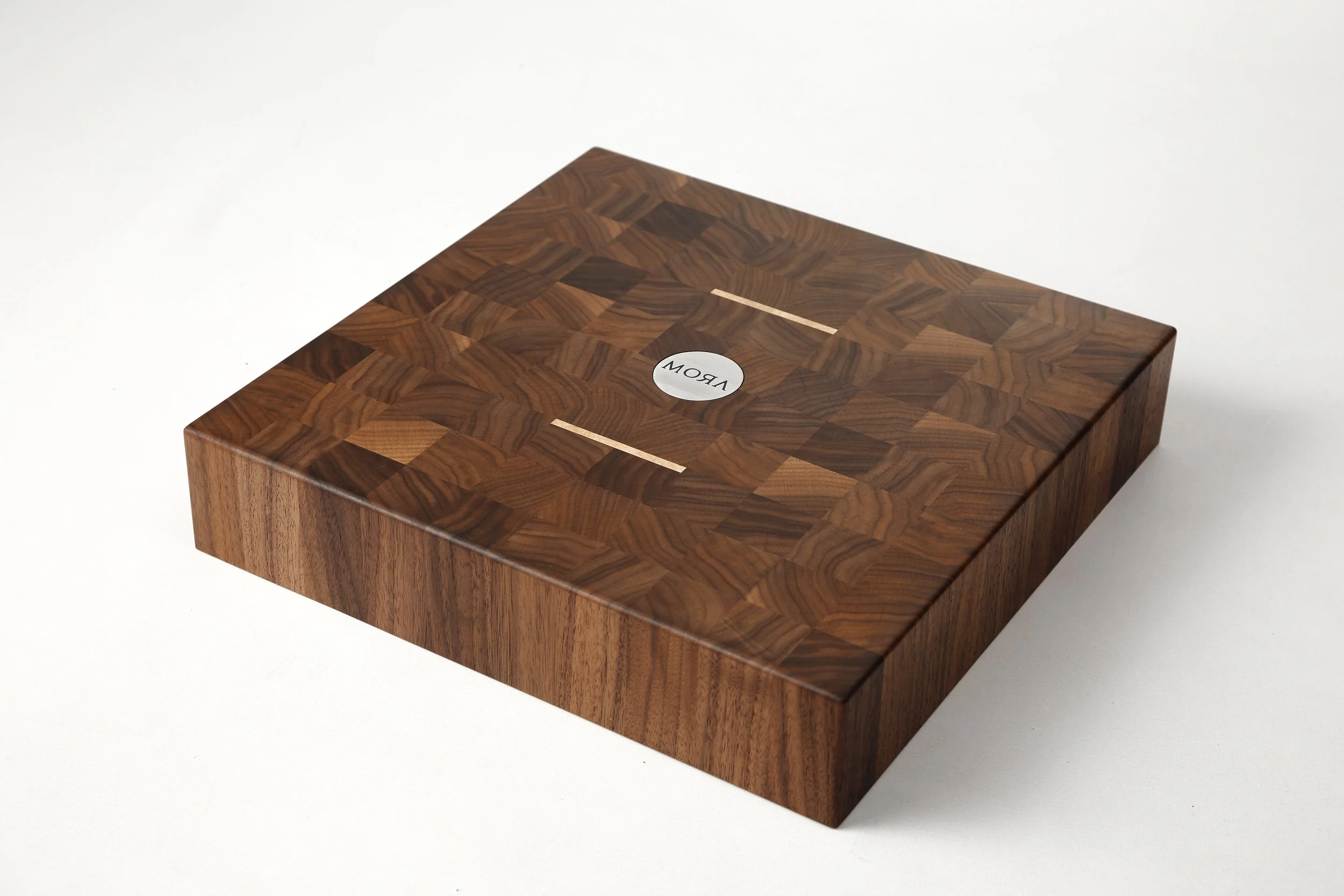
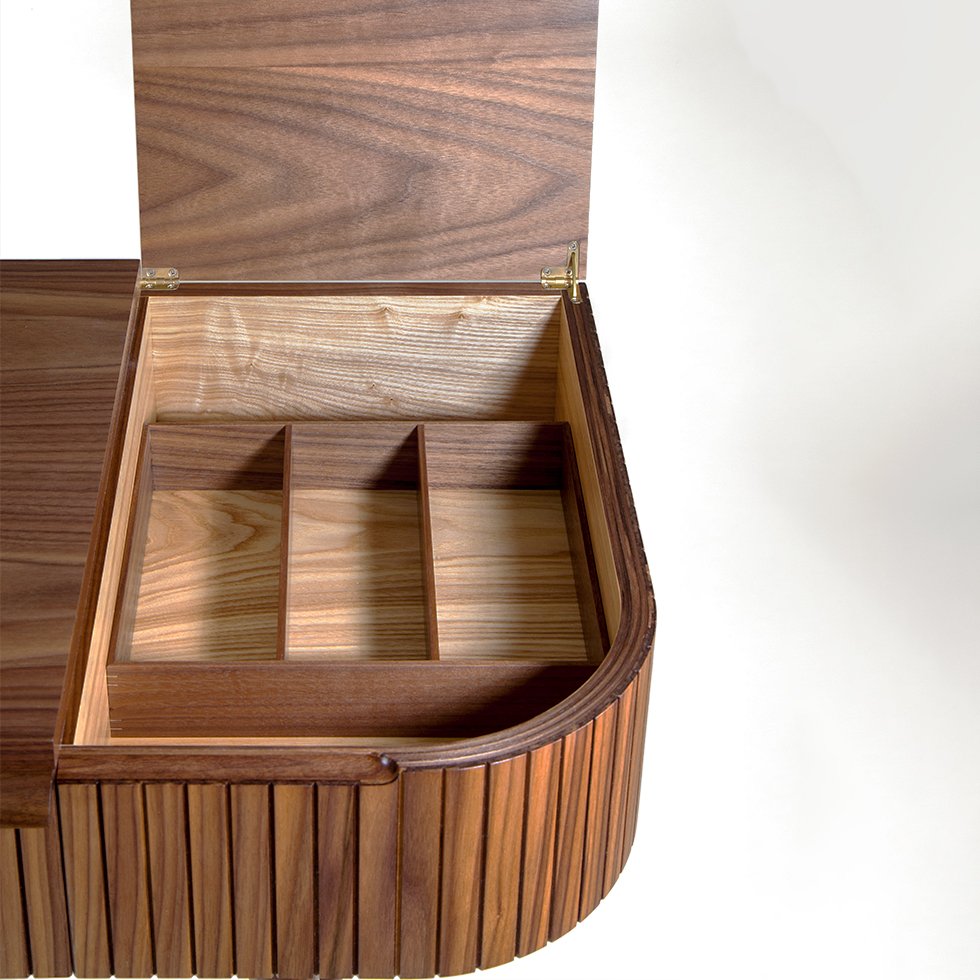
While working through the three set projects, students also take part in structured classroom sessions, including dedicated personal project tutorials. The first “toe in the water” of design is the box project, set within defined parameters, combining veneer, solid timber and essential hand skills to introduce core design thinking.
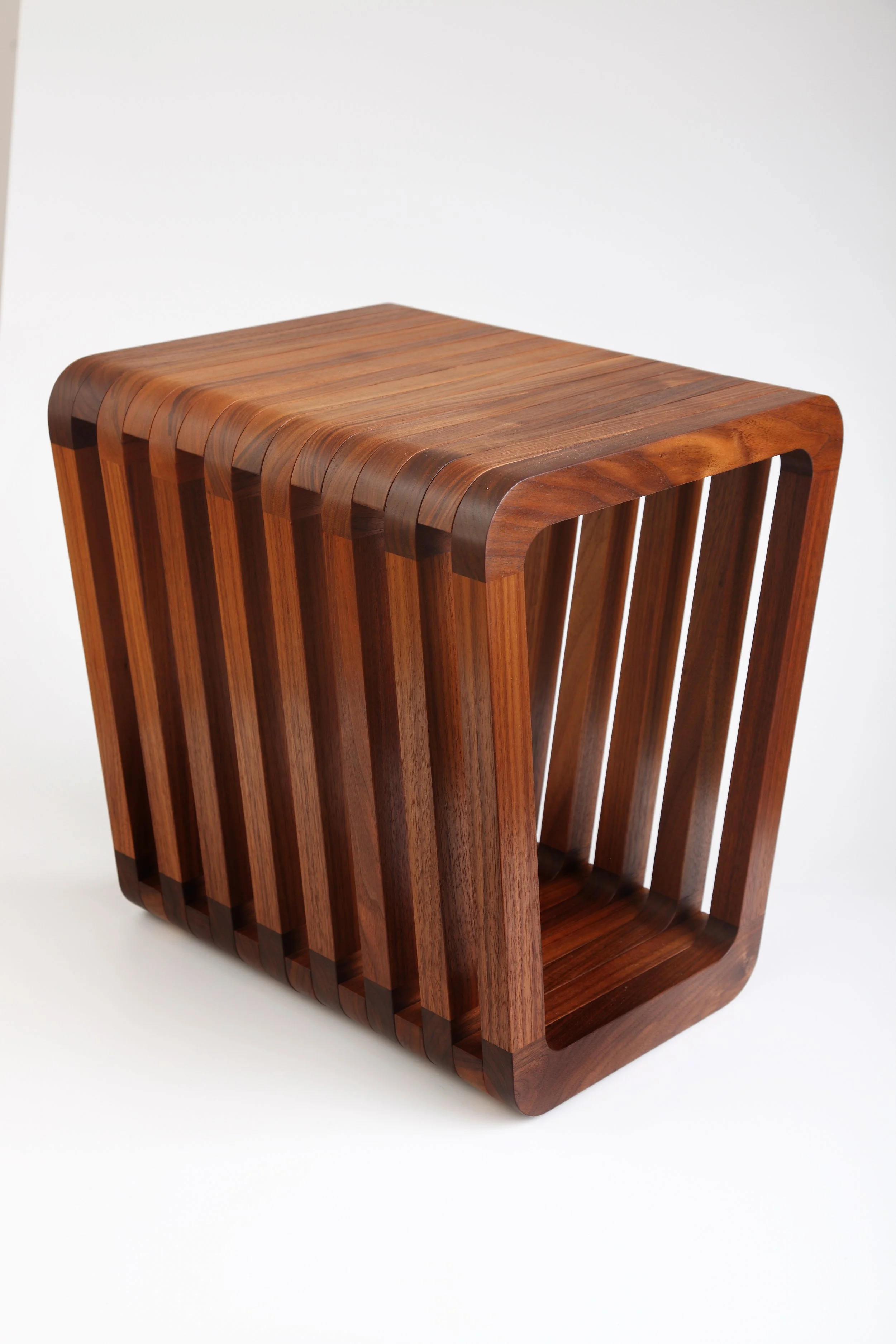
Before the set projects are complete, individual ambitions are gradually woven into the course, with students encouraged to develop and write their own design briefs to guide future work. Significant time is devoted to understanding intention and purpose, whether the aim is to build a professional portfolio, prepare for employment, or explore, innovate, or experiment with new materials and processes. Students are introduced to a broad range of techniques, including steam bending, lamination and other exploratory methods, ensuring familiarity across multiple approaches to making.
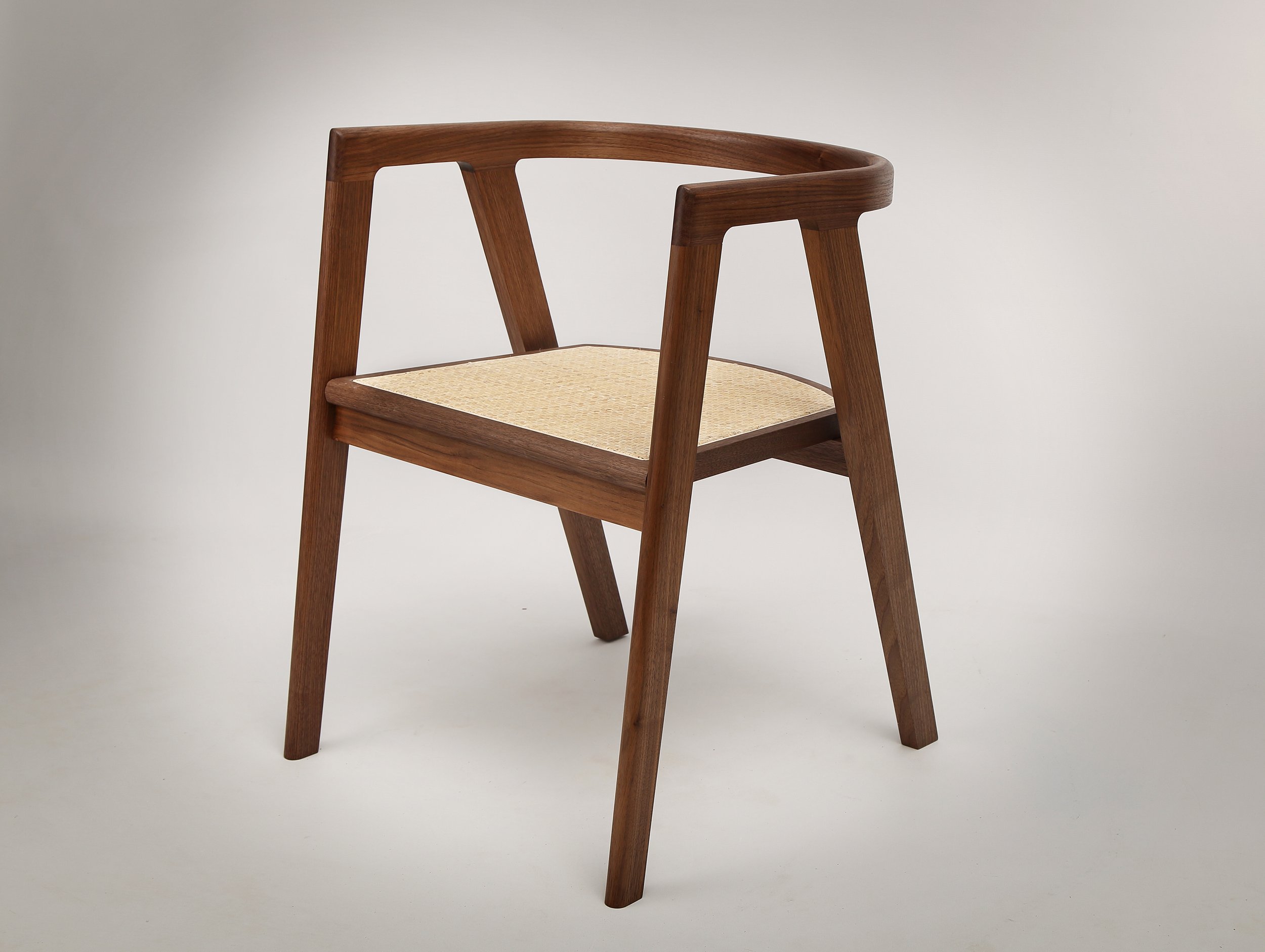
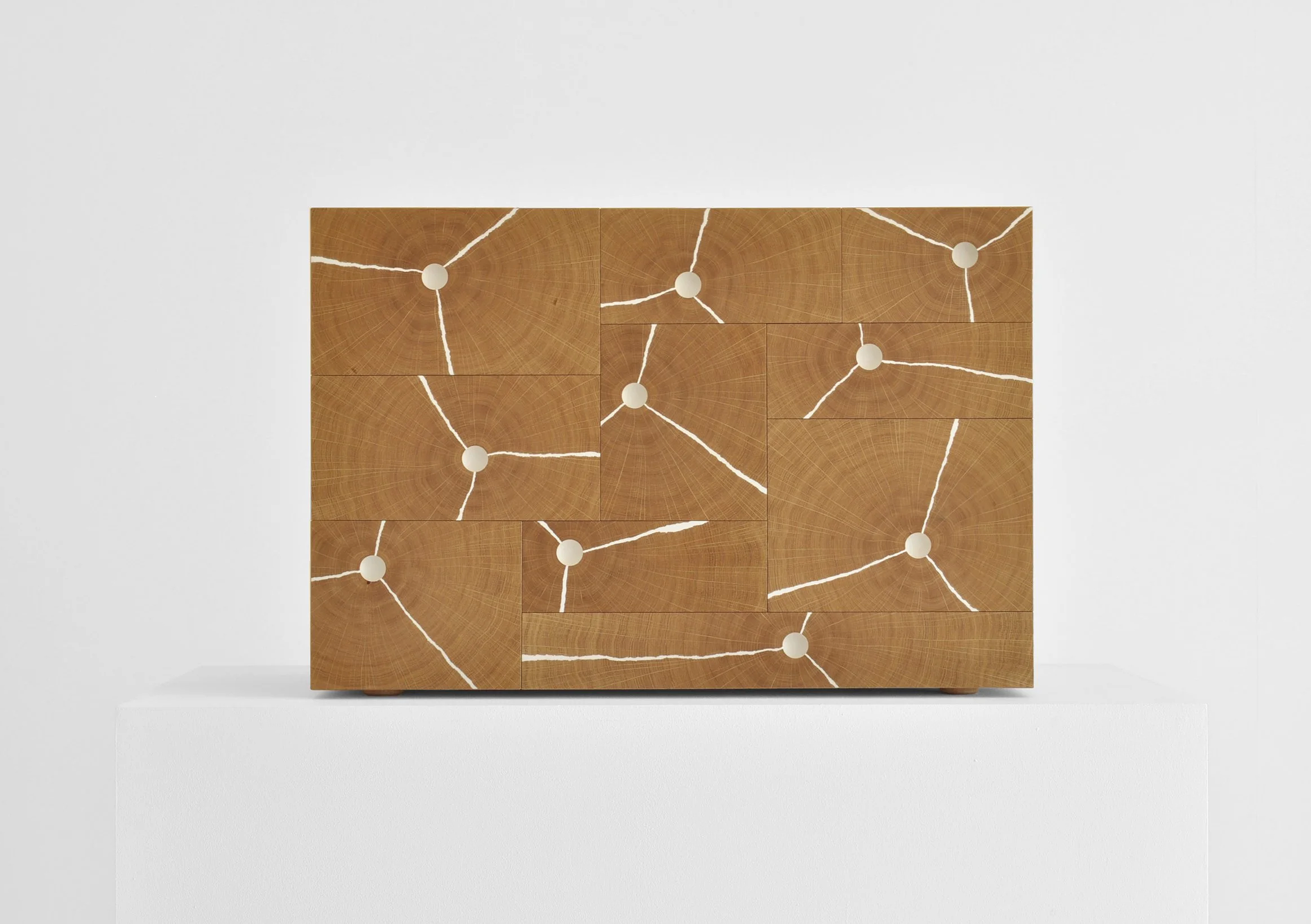
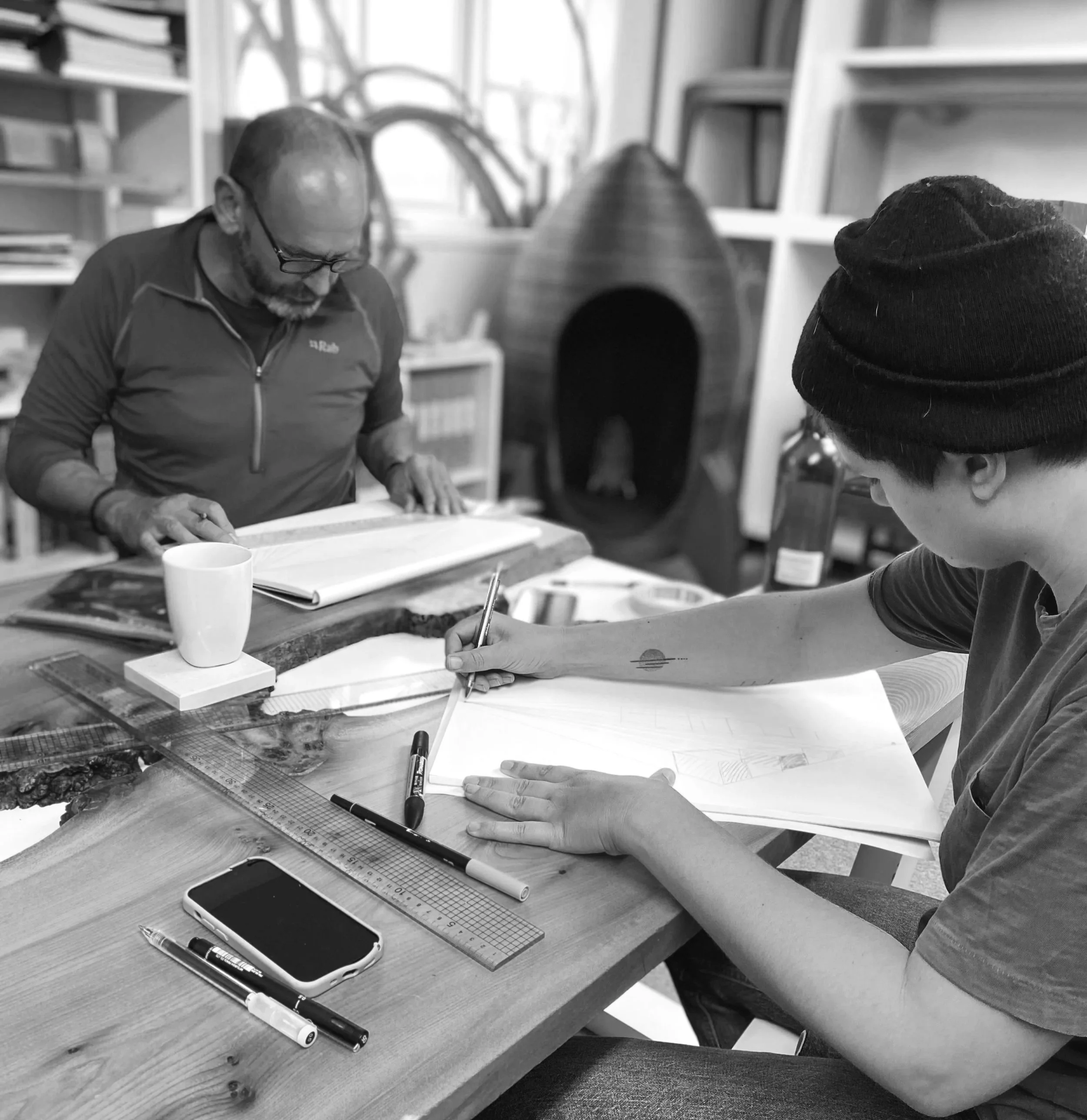
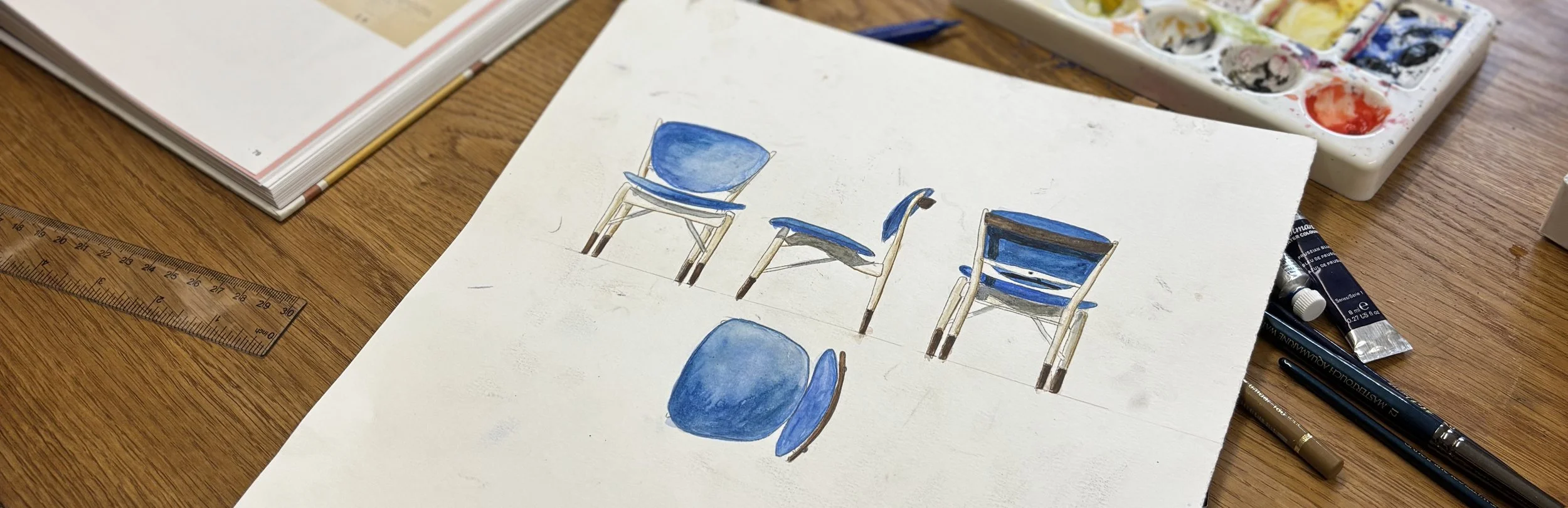
Projects typically build in ambition, and subject to complexity, students complete two to five of their own design and make pieces. Design education runs alongside workshop practice and is integral to the experience. Through studies in design history, presentation techniques, freehand sketching, watercolour rendering and digital visualisation, students develop a refined visual vocabulary and learn to communicate ideas with clarity and originality. The emphasis is always on cultivating individual creative identity alongside technical excellence, which both supports and develops clear direction for each student.
Course Content
-
Selection and set up of hand tools
Sharpening of tools
Use of hand and measuring tools
Adhesives and their correct use
Joint cutting and jig making
Making and using rods and templates
Cabinet scrapers and sanding
An appreciation of the variation in the standards of furniture making
-
Furniture components
Jointing and structures
Carcass and frame construction
Carcass rigidity and chair construction
Furniture fittings and fixtures
Furniture mechanisms
Jigs and Assembly
Preparation and cutting lists
Standardisation and production solutions
Modern and traditional methods
Appropriate production methods and solutions
Fitted furniture
-
Selection and cutting of veneers and laminates
Design and production of moulds and formers
Vacuum bags and presses
Steam bending, kerfing and coopering
Production of components with compound curves
Angle grinding
Spindle work
Preparing and laying veneers
-
Aesthetic and structural value of a variety of materials
Timber technology
Timber identification
Material defects
Moisture content, seasoning and movement
Material conversion
Understanding and using veneer
Selecting and buying materials
Marquetry work
The properties and application of a range of finishes
The safe use of finishing materials
The implications when assembling furniture
Abrasives in hand and machining operations
Hand finishing and spraying
-
The identification and use of key power tools
Safe working practices
Learning the potential applications of all the key power tools
Maintenance including changing and sharpening of cutters, saws and blades
-
Health and safety in a workshop
The selection, maintenance and use of a variety of machines
Designing safe and effective jigs
Production techniques
-
The requirements for setting up in business
How to run a furniture business
Workshops
Marketing
Business profile
Time management
Public relation
Selling your work
Commercial costing and estimating
Commission and production work
The industry today
External organisations
Legislation
Websites
-
Freehand drawing and sketching
Perspective
Ergonomics including anthropometrics
Working drawings
Colour awareness and application
The design process
Design vocabulary
Design theory, including proportioning concepts
Design analysis and evaluation
3D awareness
Personal design philosophy
Research skills
Contemporary furniture makers
Presentation drawings and skills
Photographing your work
Portfolios
Connections
The school benefits from exceptionally strong industry links and professional connections. Students share workshop space with the commercial arm of Williams & Cleal Bespoke Furniture, giving valuable insight into the making of high end bespoke commissions and the realities of professional practice.
Many graduates have gone on to work within leading furniture workshops and design studios, establish successful designer maker businesses, and gain recognition through awards and industry achievements. Each student becomes part of the wider Williams & Cleal community, a growing network connected through craftsmanship, creativity and a shared passion for fine furniture making.
Jane contributes to the wider craft sector through her roles within the Bespoke Guild Mark panel and the regional committee of the Furniture Makers’ Company, helping shape standards within contemporary British furniture making. These relationships ensure students learn within an active professional network rather than an isolated educational environment.
Students also develop a strong understanding of landscape, forestry and material sourcing. Close links to woodland initiatives, including Woodland Heritage and local woodlands within 5 miles, James Wood, allow students to appreciate the journey of timber from tree to finished furniture, embedding awareness of sustainability and responsible sourcing within the course.
Alongside this, students gain exposure to respected makers and studios including Silverlining and Artichoke, and numerous independent workshops. These connections provide valuable insight into the wider craft economy and open pathways into employment, collaboration and professional practice.
Visit the workshops
Visiting the school or attending a short course can be the best way to experience the workshop environment and understand whether the course is the right fit for you.
Prospective students are welcome to tour the workshop, meet the tutors, view current student work and discuss their ambitions in more detail. We encourage visitors to experience the atmosphere of the school first hand and see the standard of craftsmanship being produced within the workshop.
Many students first attend our ‘Five Day Introduction to Fine Furniture Making’ course before progressing onto longer term study with us. Visits can also be arranged on weekdays, with evenings or weekends available by appointment where needed.