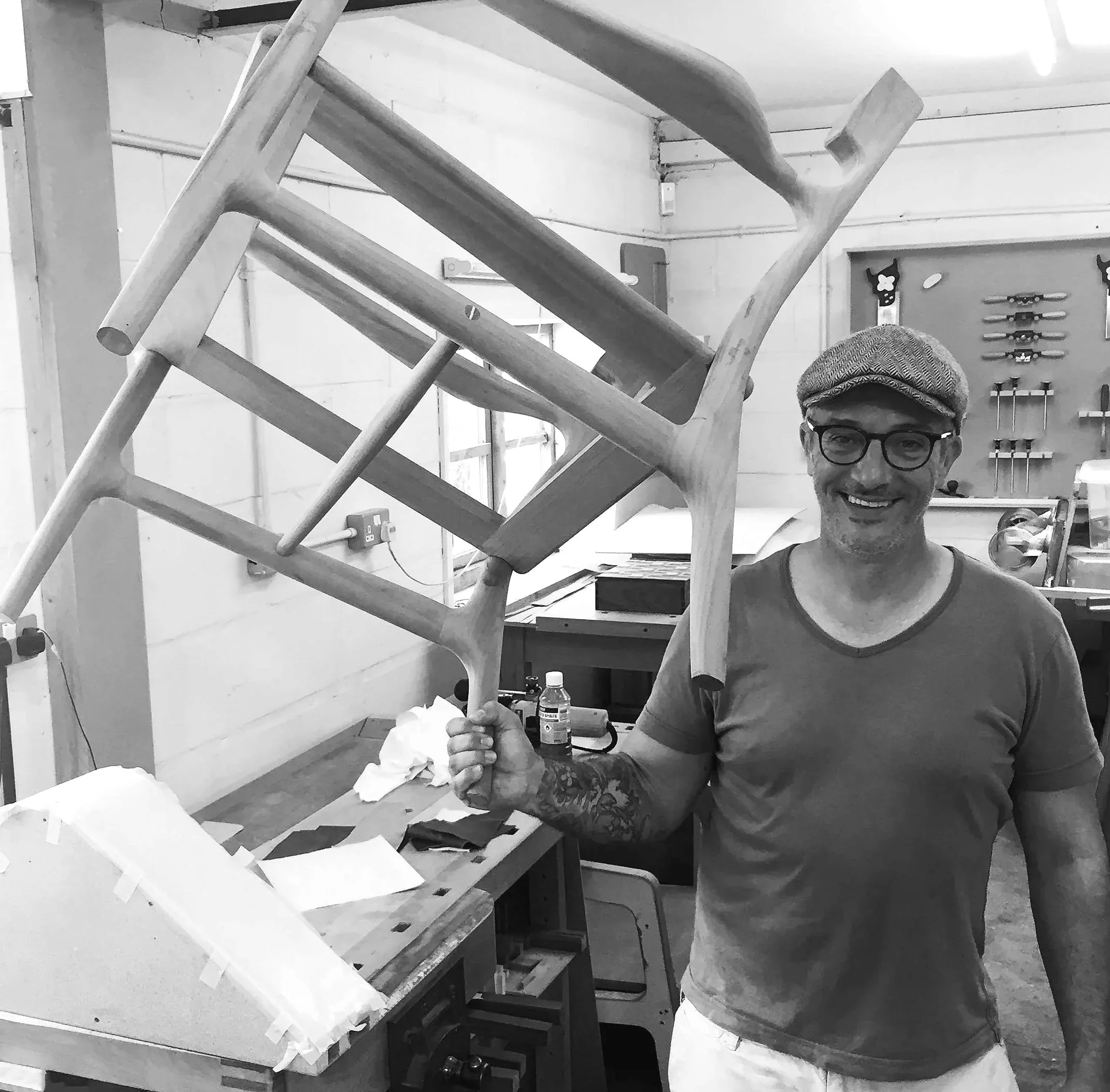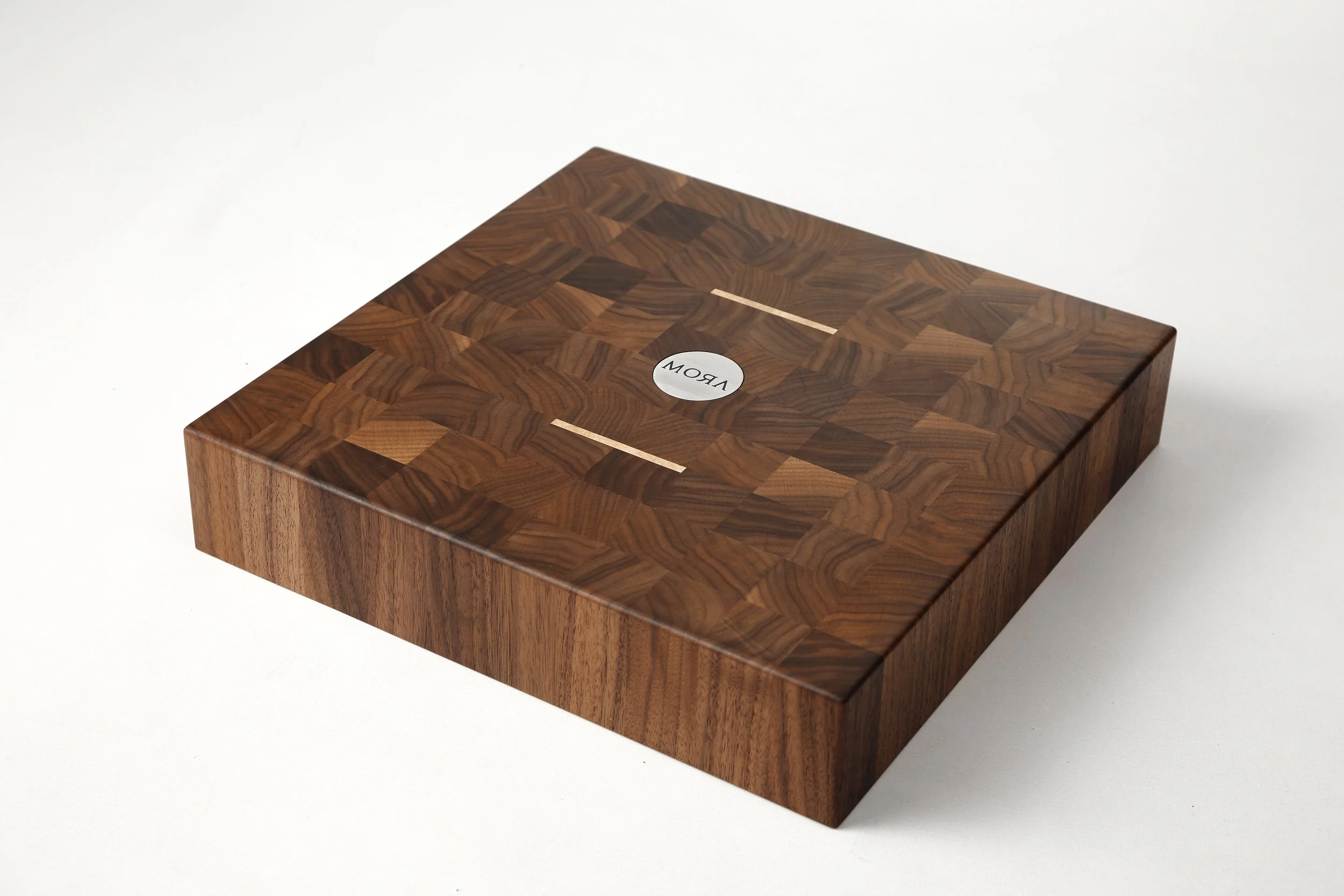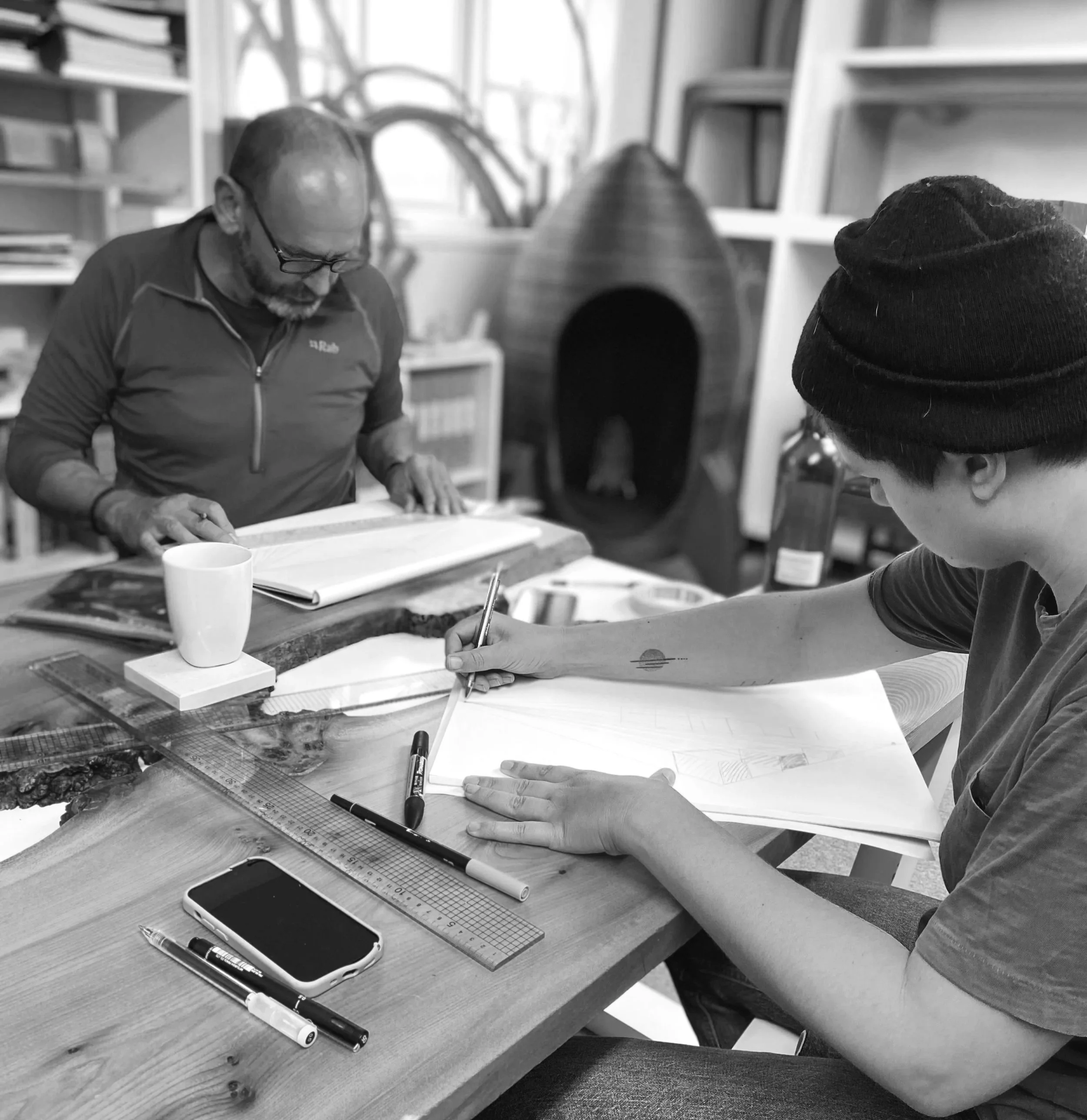
Course Overview
The Advanced course builds directly on the independence and technical skills established during The Practitioner course, and is the final stage of our Designer Maker Series, intended for students to fully immerse themselves in the discipline of fine furniture making at a higher level.
By this stage, students are no longer simply learning techniques, but beginning to shape a clear identity and direction within their work. The course provides the time, space and support to develop greater confidence in decision making, craftsmanship and creative thinking, while working within a serious and highly motivating workshop environment.
Teaching becomes increasingly conversational and tutorial led, with guidance adapting around each student’s ambitions and evolving body of work. Alongside making, students gain insight into the realities of contemporary furniture practice through discussions around commissions, professional workflows, pricing, presentation, websites, marketing and the wider furniture industry.
Whether the ambition is employment, self employment, building a studio workshop at home or simply pursuing craftsmanship at a deeper level, the course is designed to help students move forward with greater confidence, independence and clarity.
About the course
-
The Advanced Course is designed for students who have successfully completed our Practitioner Course and are ready to move into a highly independent and ambitious stage of furniture design and making. However, if you already feel you are working at an equivalent level through prior experience or professional practice, please contact us directly to discuss access through our Bespoke Tailored service, where teaching can be adapted to your individual projects, creative direction and professional ambitions.
-
At Williams & Cleal, the Advanced Course is centred around the development of highly individual and considered furniture making. The emphasis moves beyond learning processes alone, towards refining creative direction, design identity and a more accomplished level of craftsmanship through ambitious self-directed work.
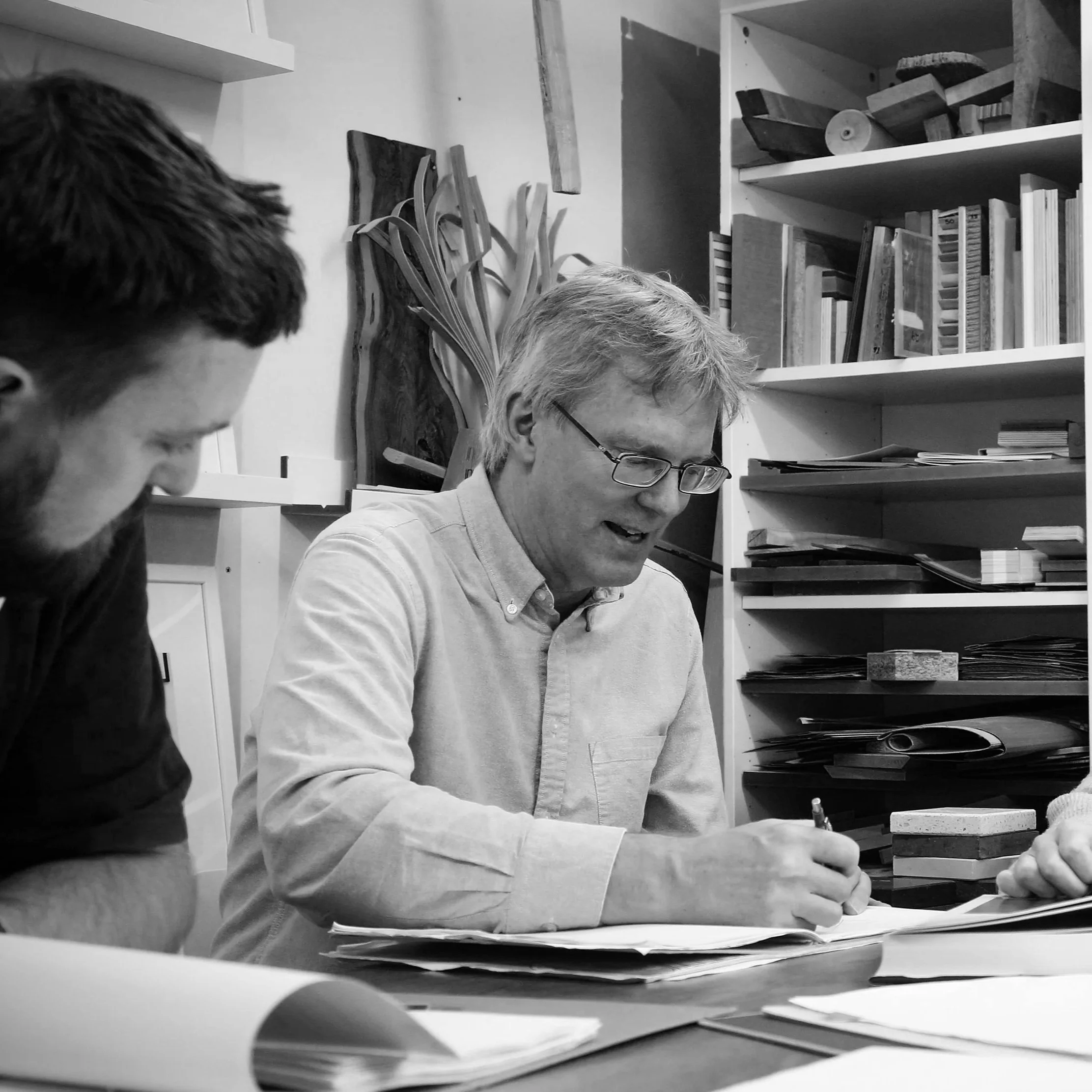
Teaching becomes increasingly tutorial led and responsive, supporting students through the complexities of their own projects while encouraging experimentation, confidence and deeper creative thinking.
Students are encouraged to work thoughtfully and with intention, prioritising quality and originality over speed. Teaching remains highly individual, allowing each student to progress according to their ambitions, interests and long term direction within furniture making.
-
The course is predominantly workshop based and delivered through a combination of demonstrations, practical projects, lectures, tutorials, discussion, research, professional presentations, external visits to exhibitions and furniture related companies, e.g. timber and veneer and individual mentoring.
-
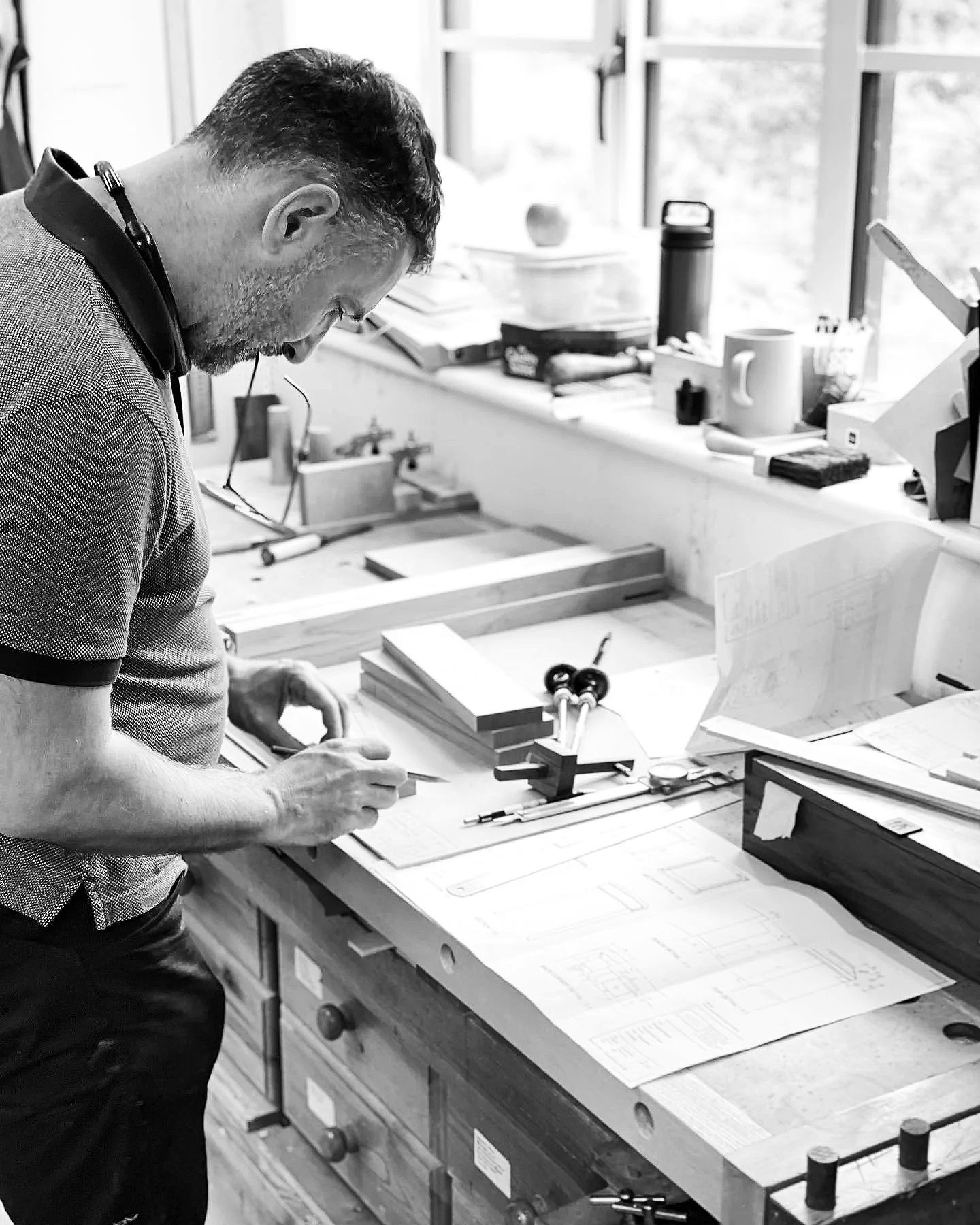
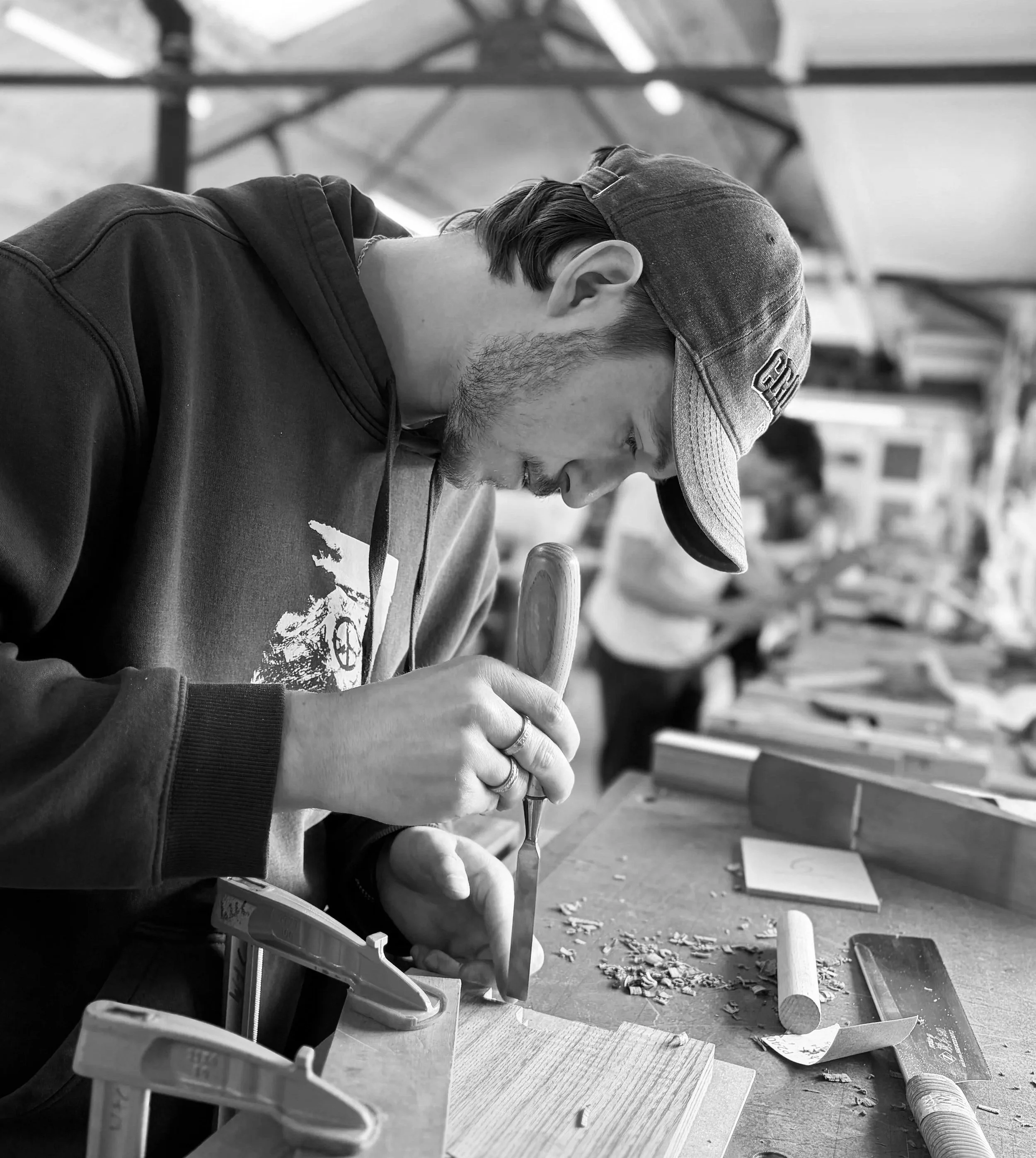
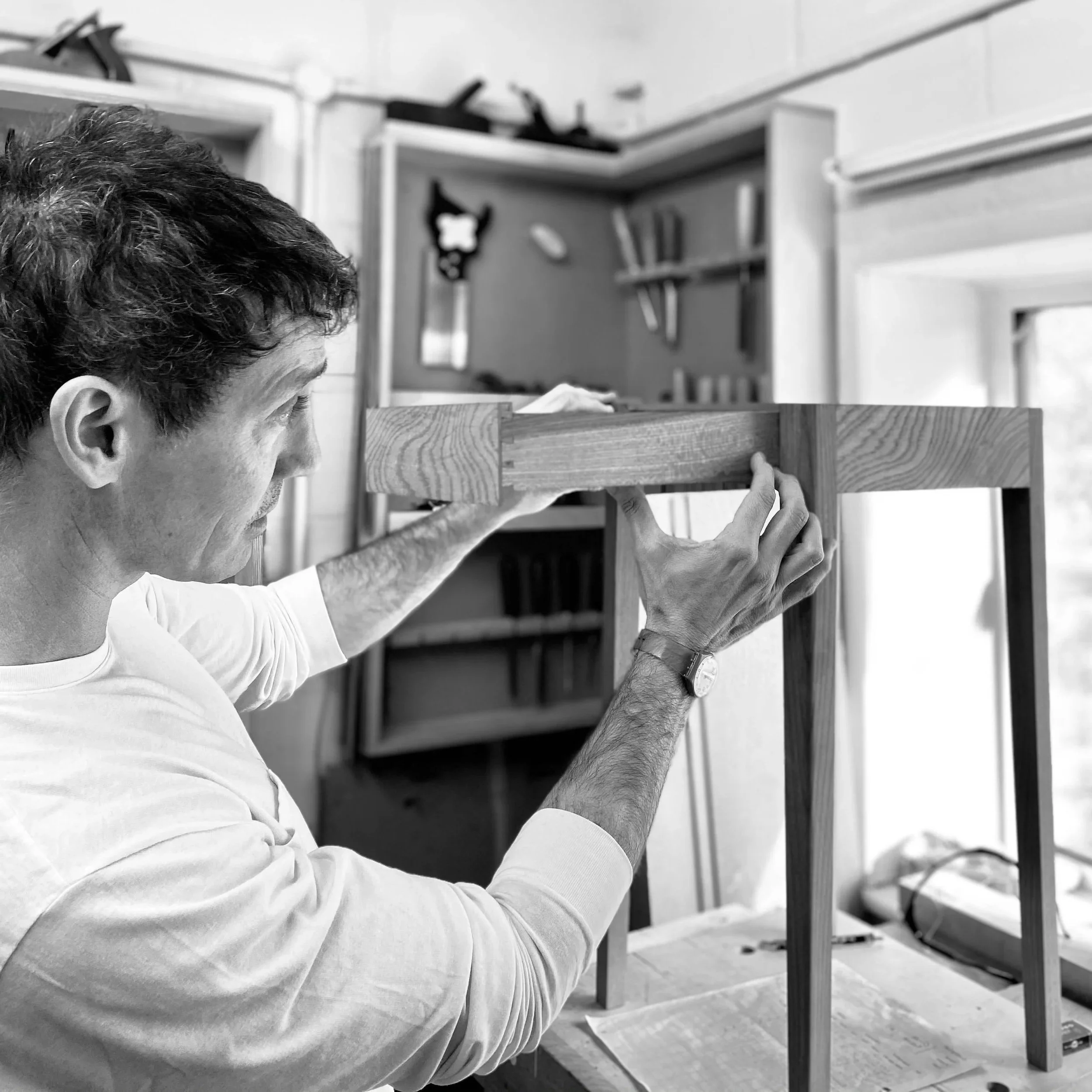
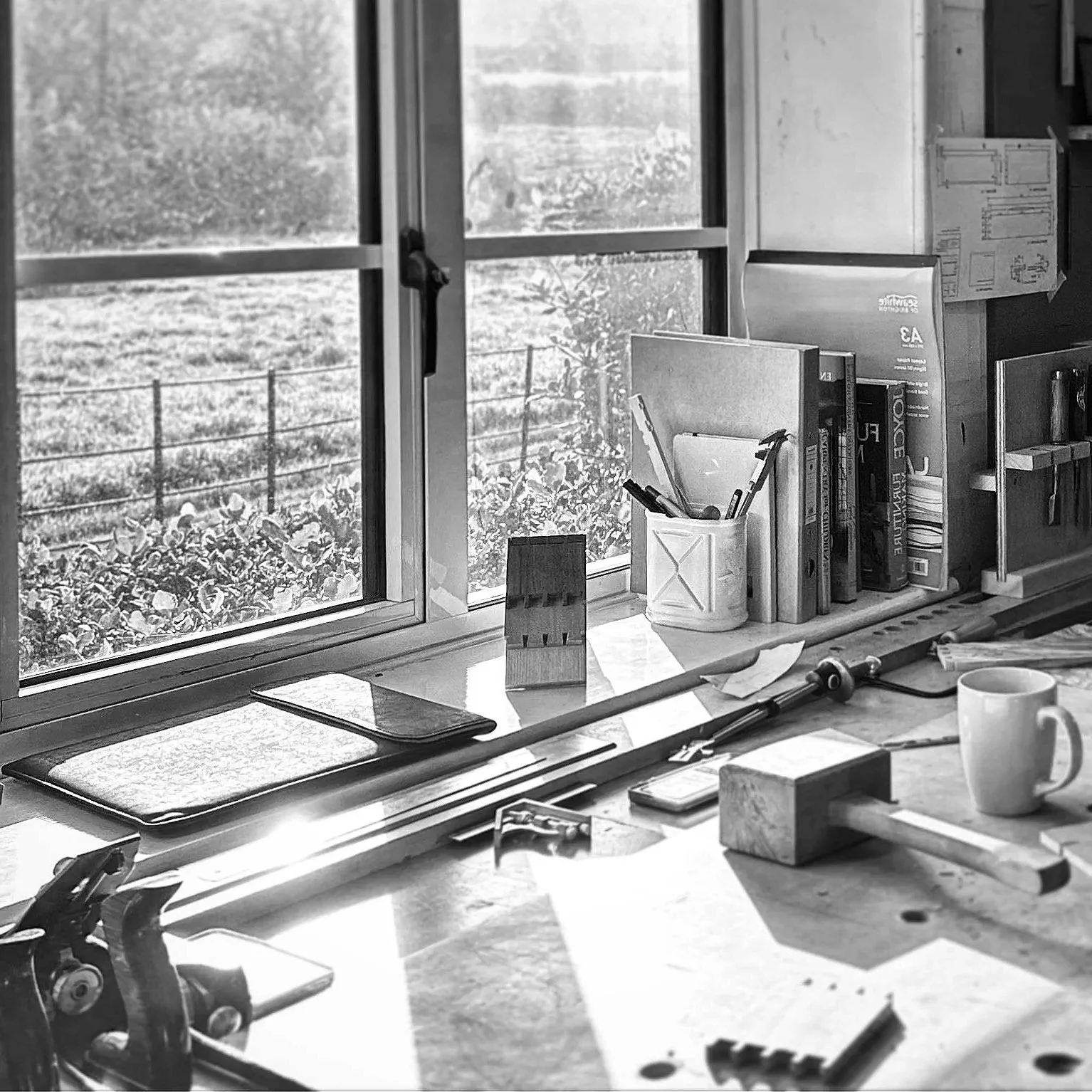
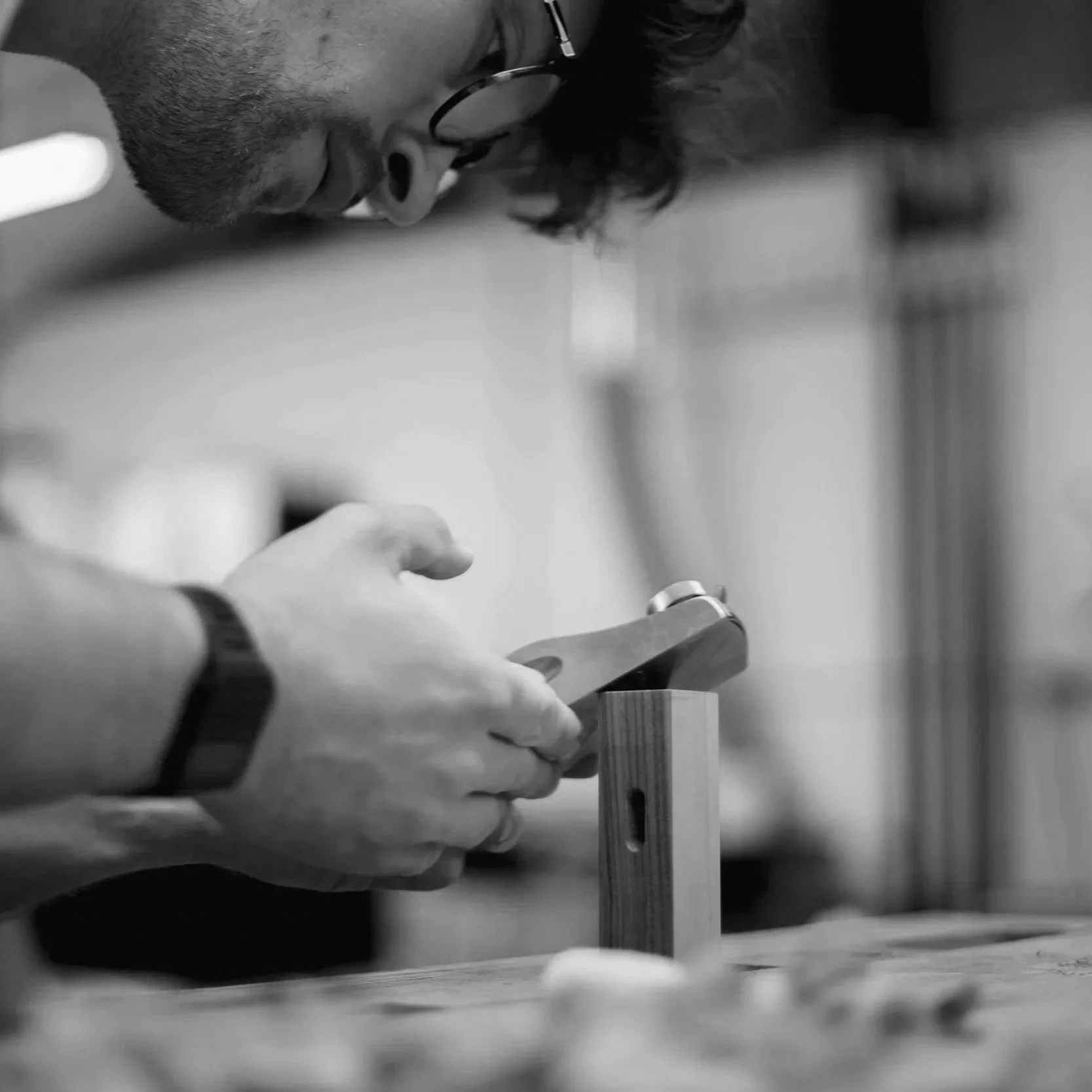
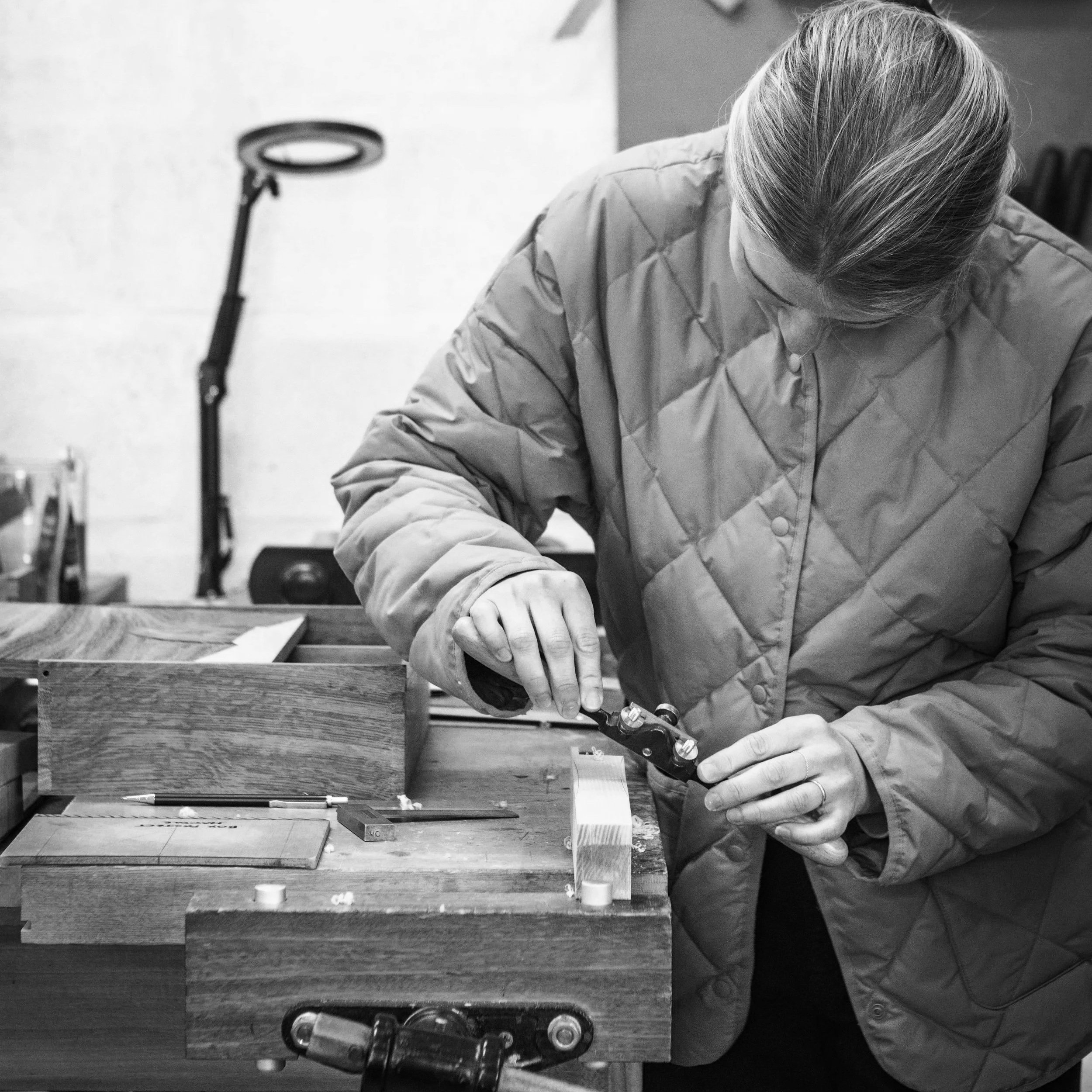
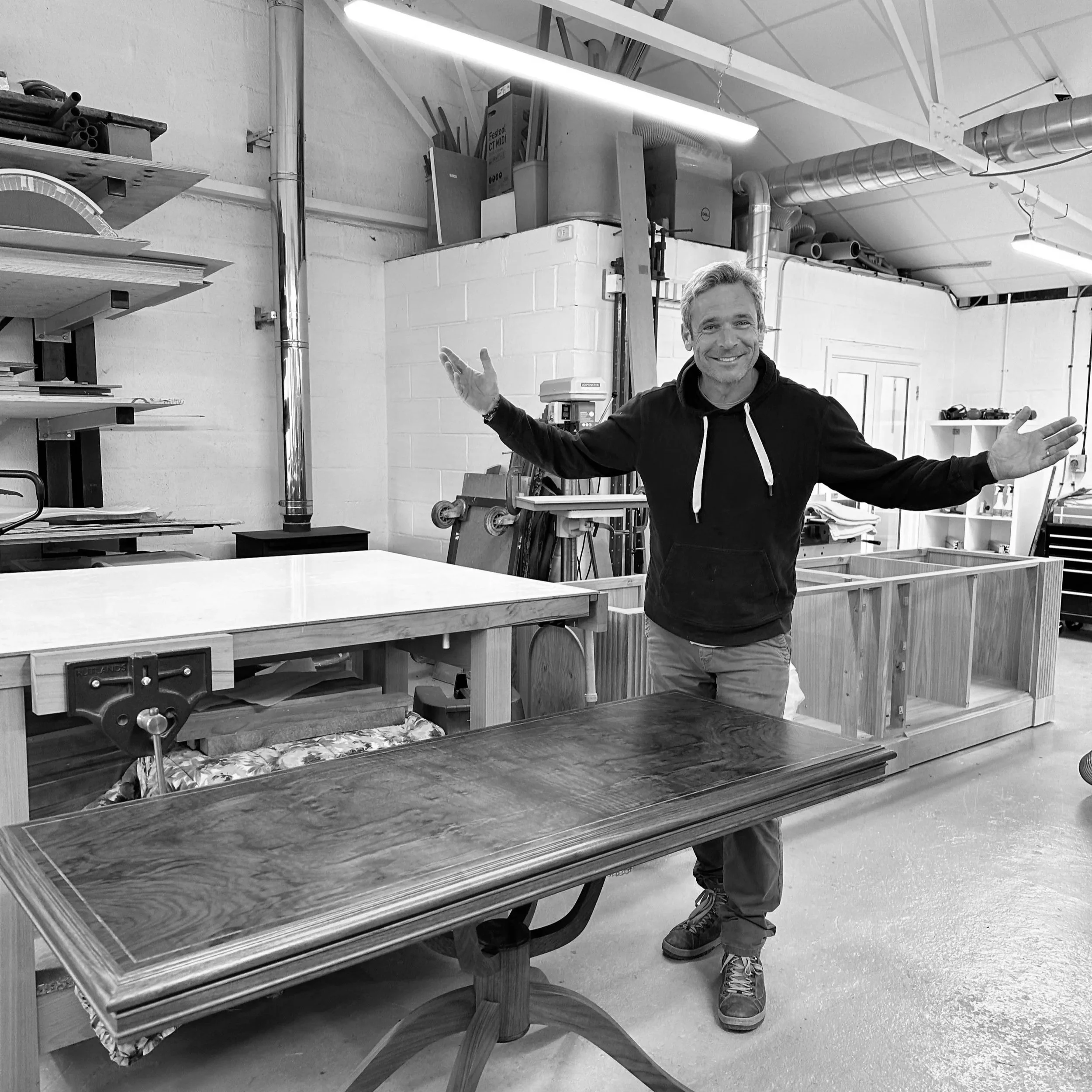
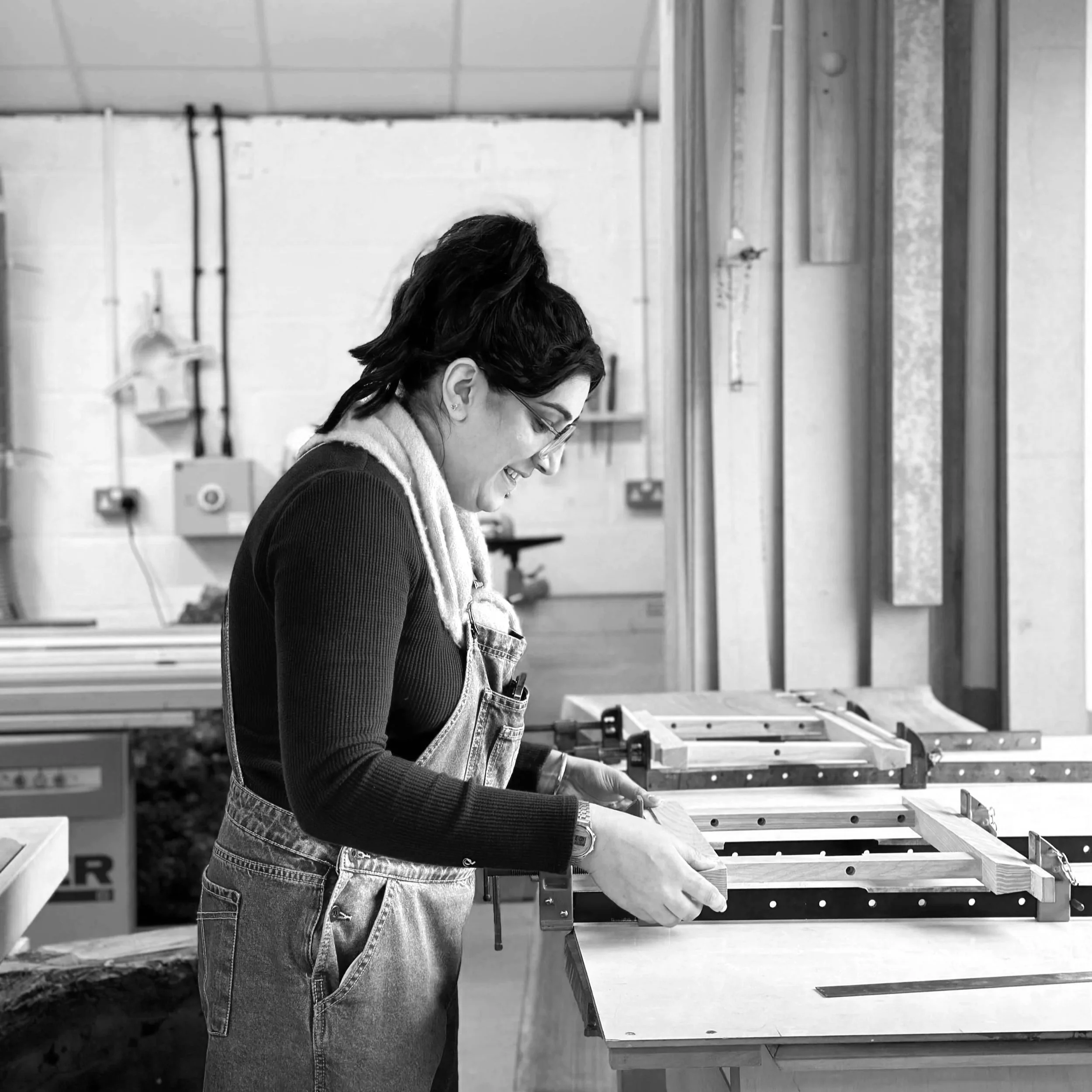
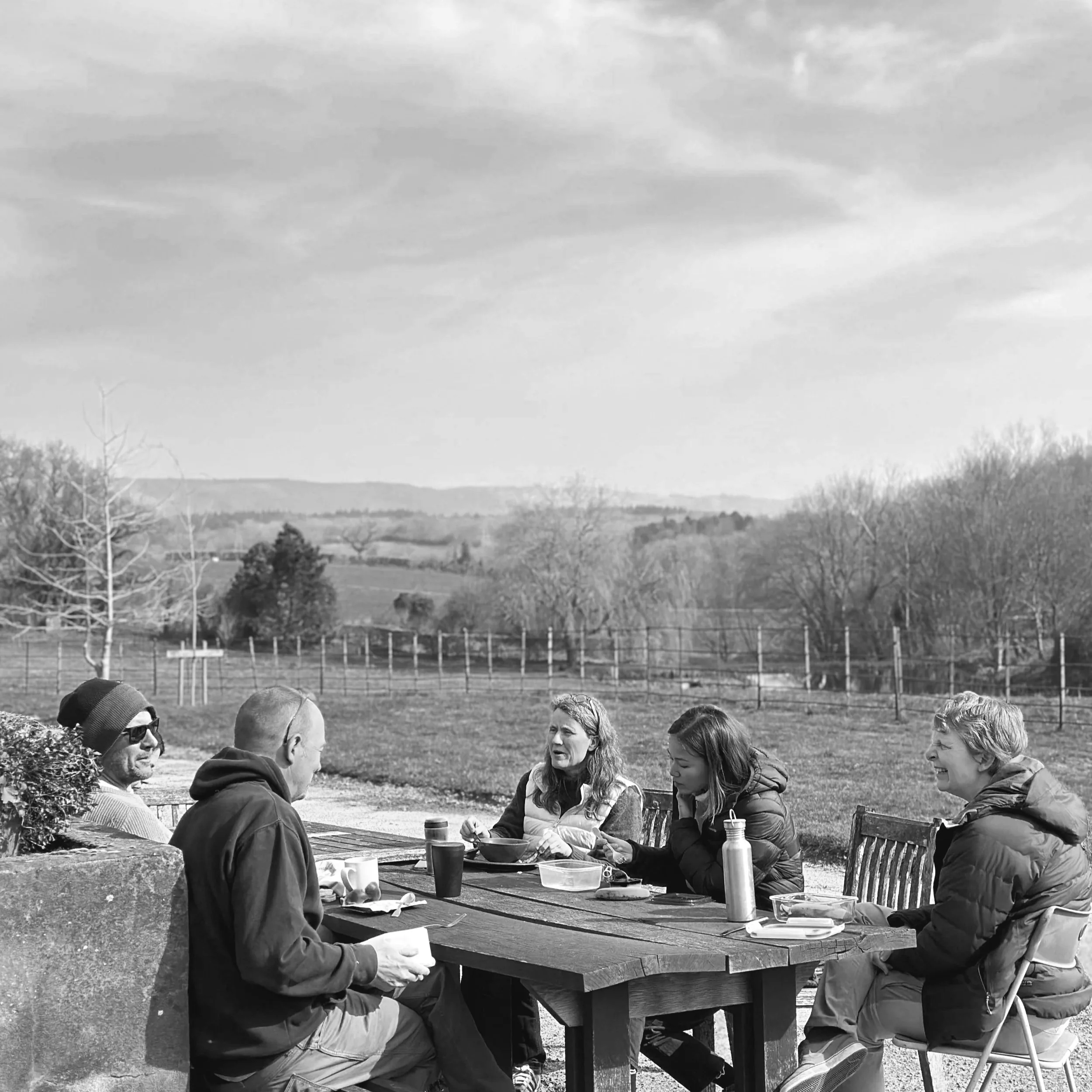
The Advanced Course takes place within the same focused and supportive workshop environment that defines all teaching at Williams & Cleal, but at this stage students work with far greater independence and creative freedom. The atmosphere remains collaborative and engaging, with students surrounded by others undertaking ambitious and highly individual furniture projects.
There is something particularly rewarding about this stage of study, where students begin producing work that feels genuinely personal, creating furniture that reflects not only growing technical ability, but also a clearer sense of identity and direction as a maker.
-
One of the advantages of studying at Williams & Cleal is the flexibility of our teaching structure. Because the workshop operates throughout the year, closing only for two weeks at Christmas , students are able to begin the Advanced Course at various points across the calendar, allowing greater flexibility around work, travel, and personal commitments. You can start immediately after The Practitioner Course or take a break and return whenever suits your schedule
-
If you start in 2026 the fees are £11,000 (inc VAT) plus material costs. Accommodation and meals are not included. If you require assistance arranging suitable local accommodation please contact us. In order to secure your place there is a non-refundable deposit of £3, 000. On the first day of the course, we will then require the balance of £8,000.
The course fees and payment schedule for a course beginning in 2027 are as follows: Course fees - £11,355 (inc. VAT), deposit - £3,100, balance payment - £8,225.
Projects
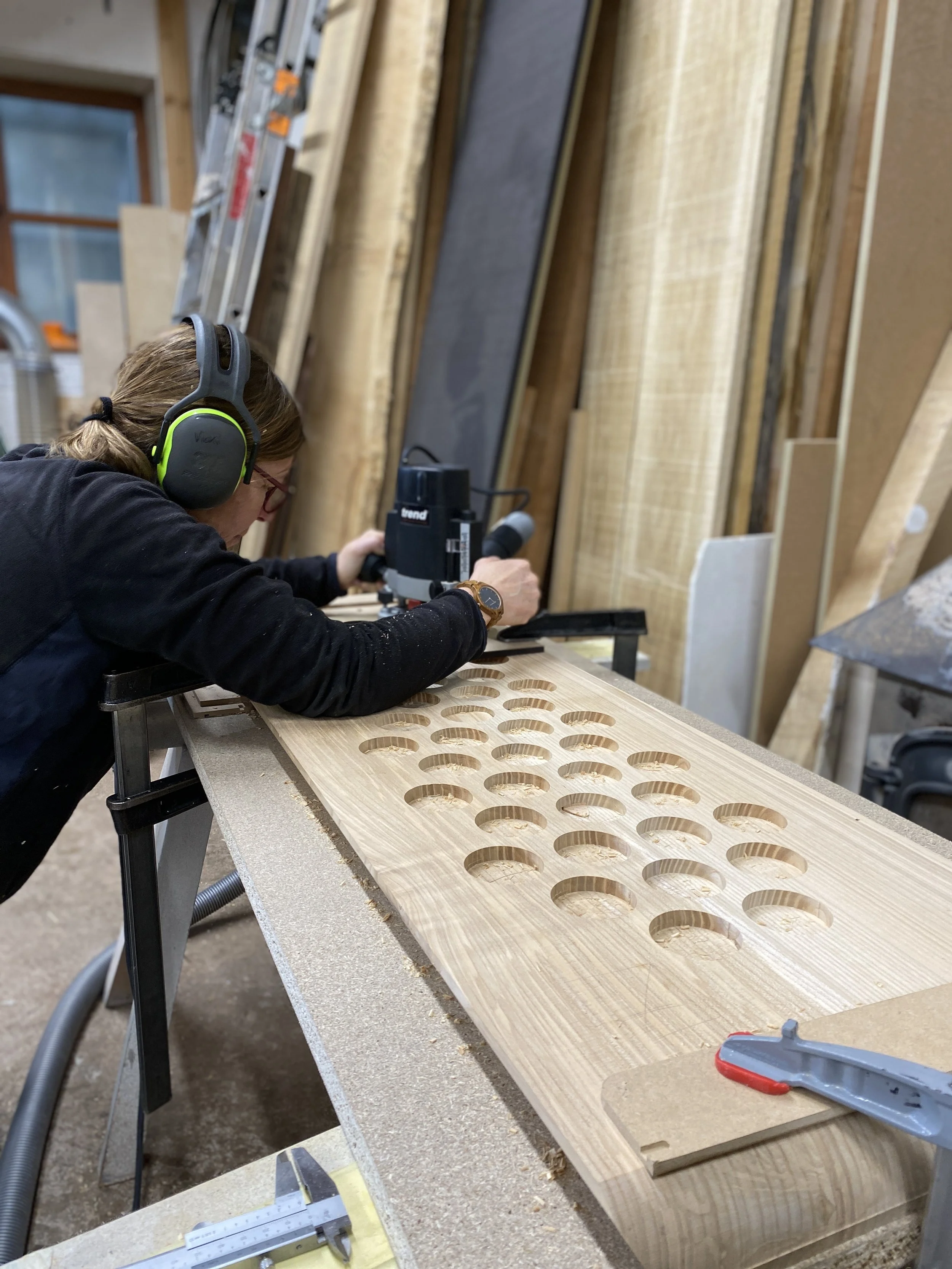
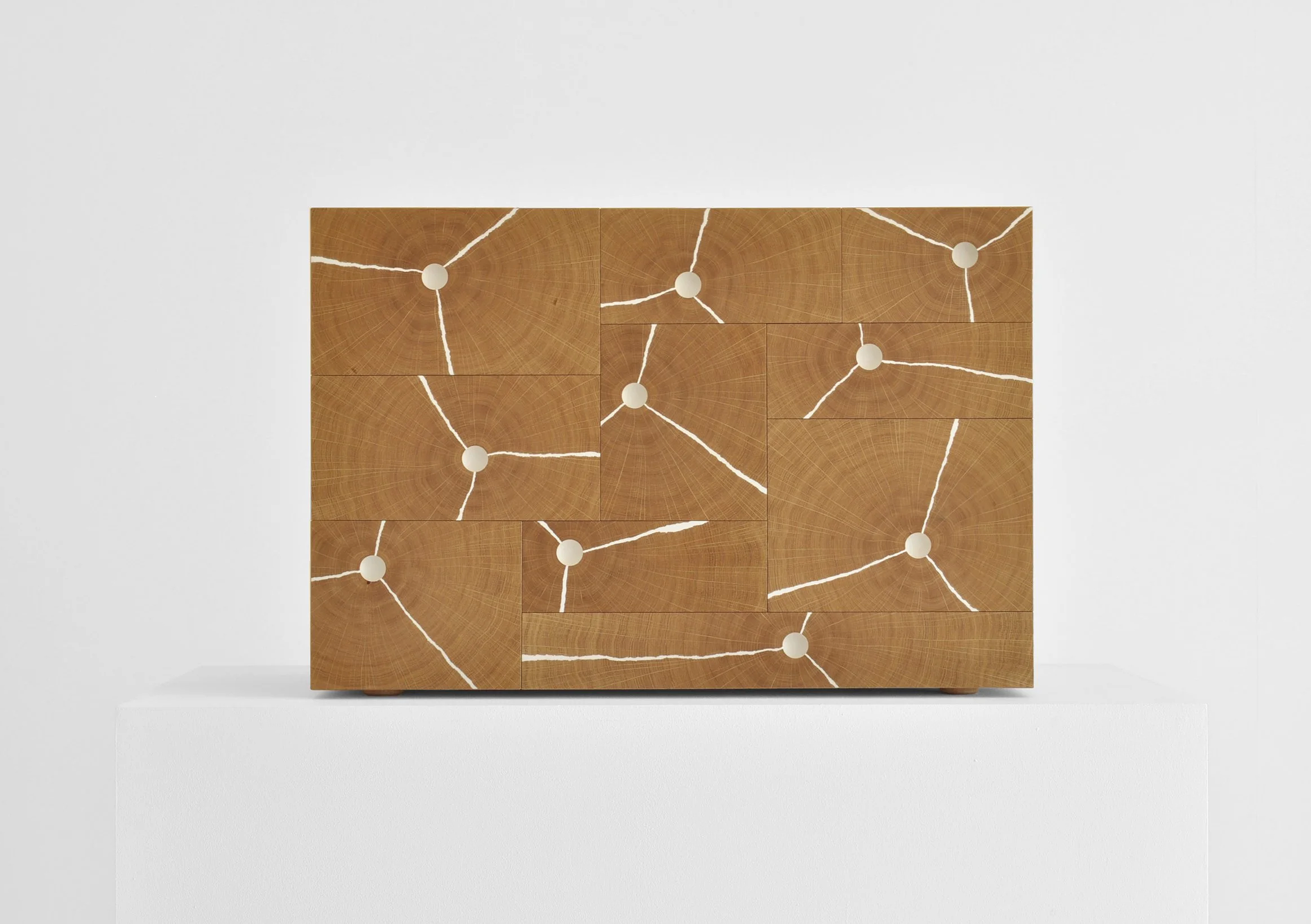
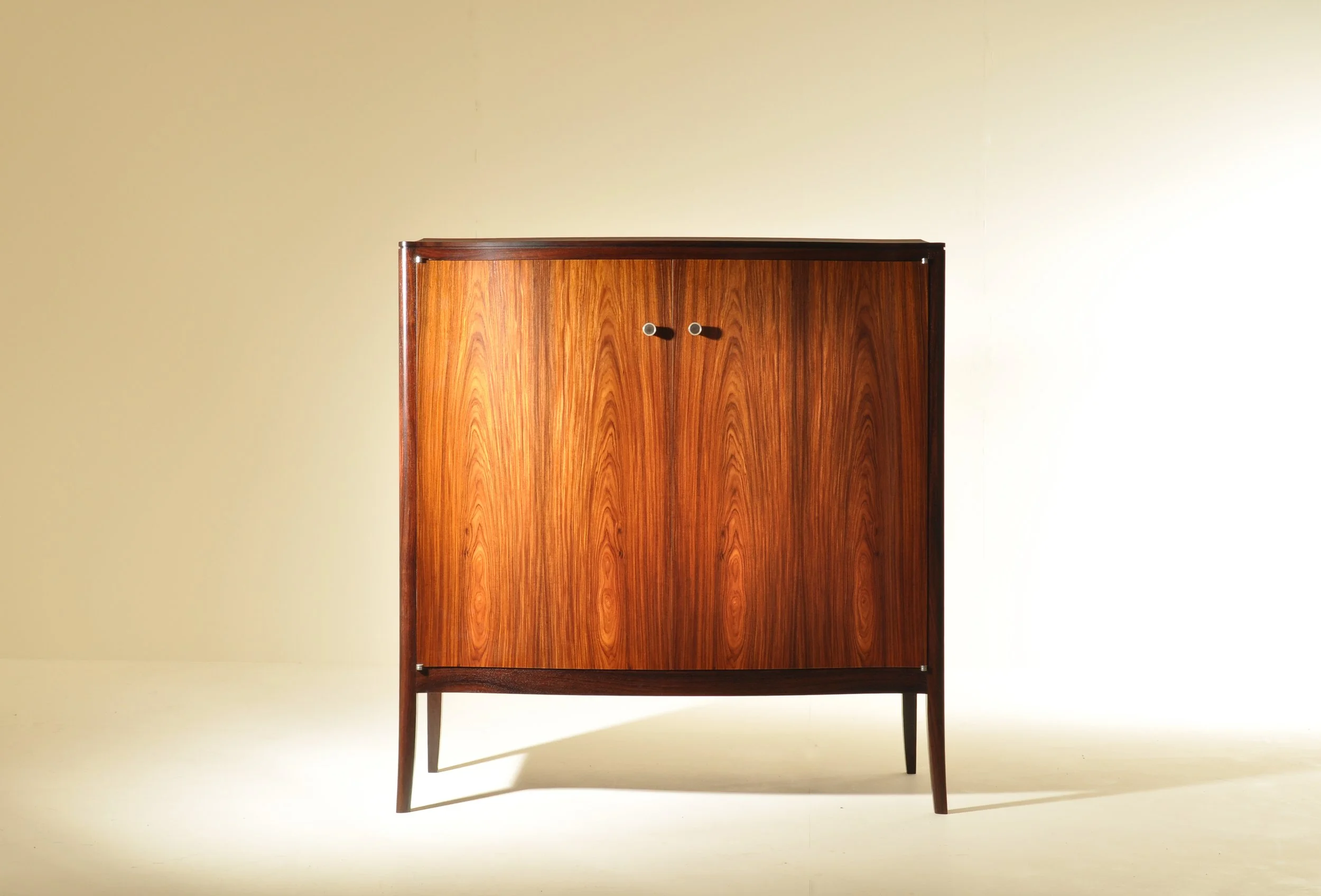
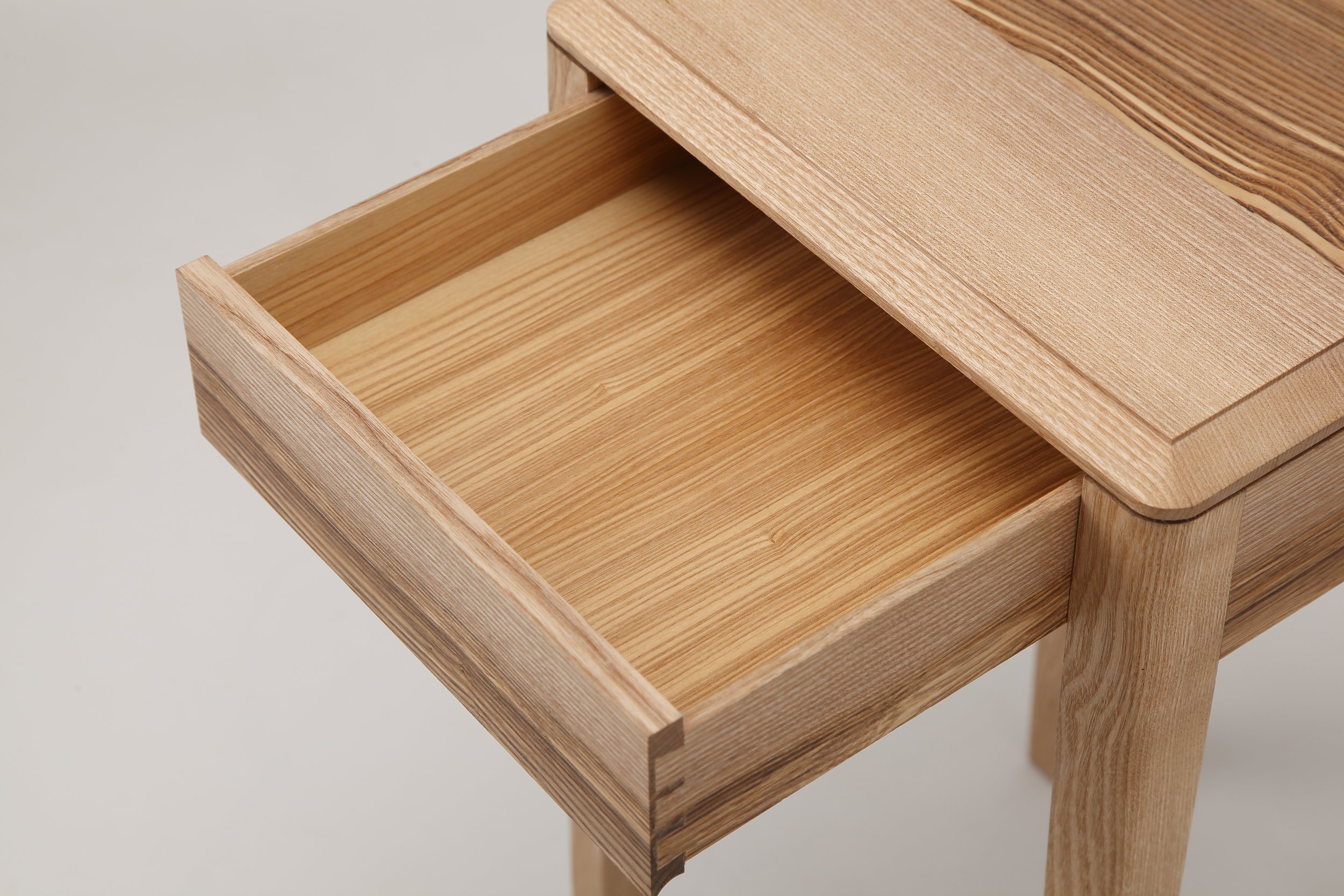
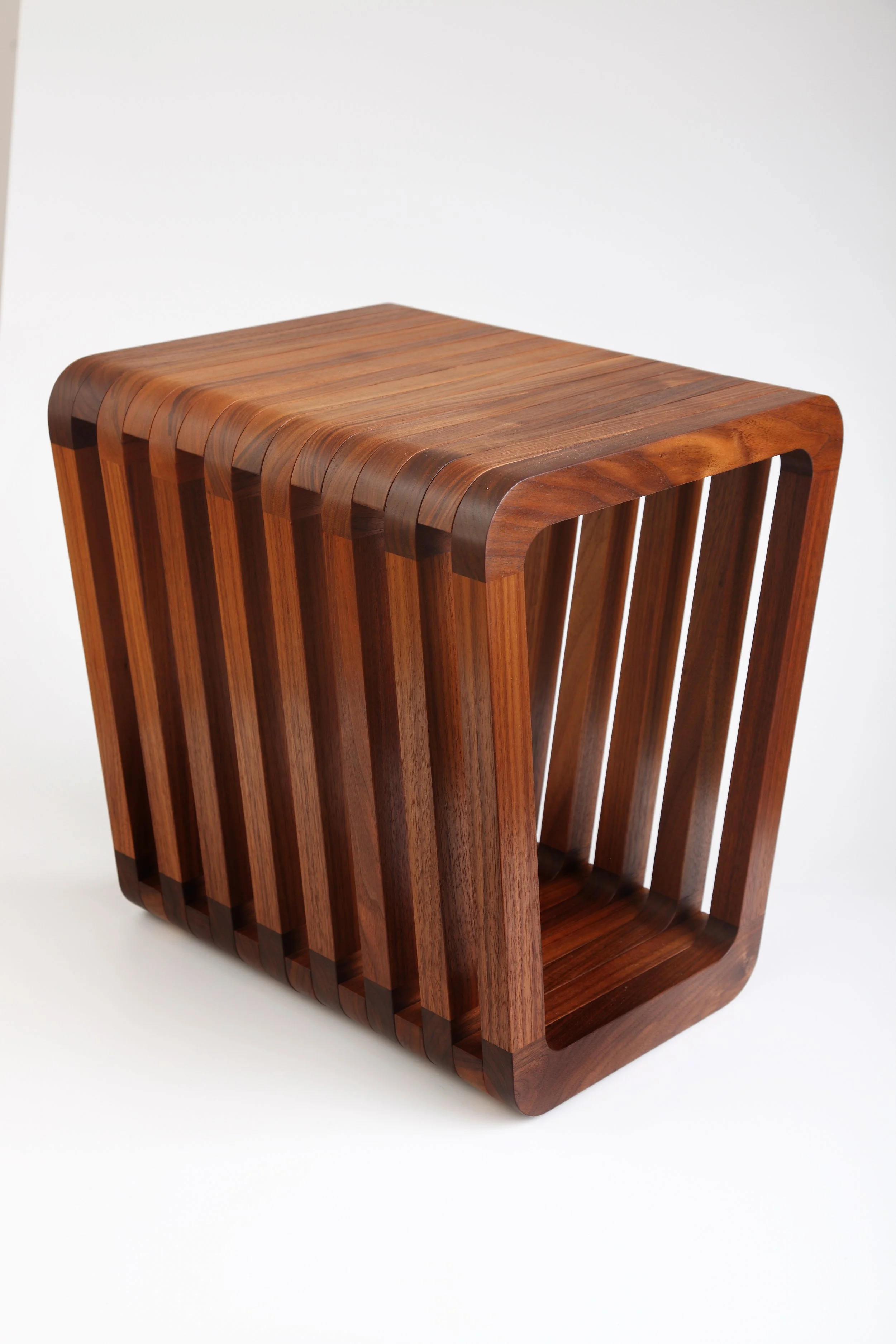
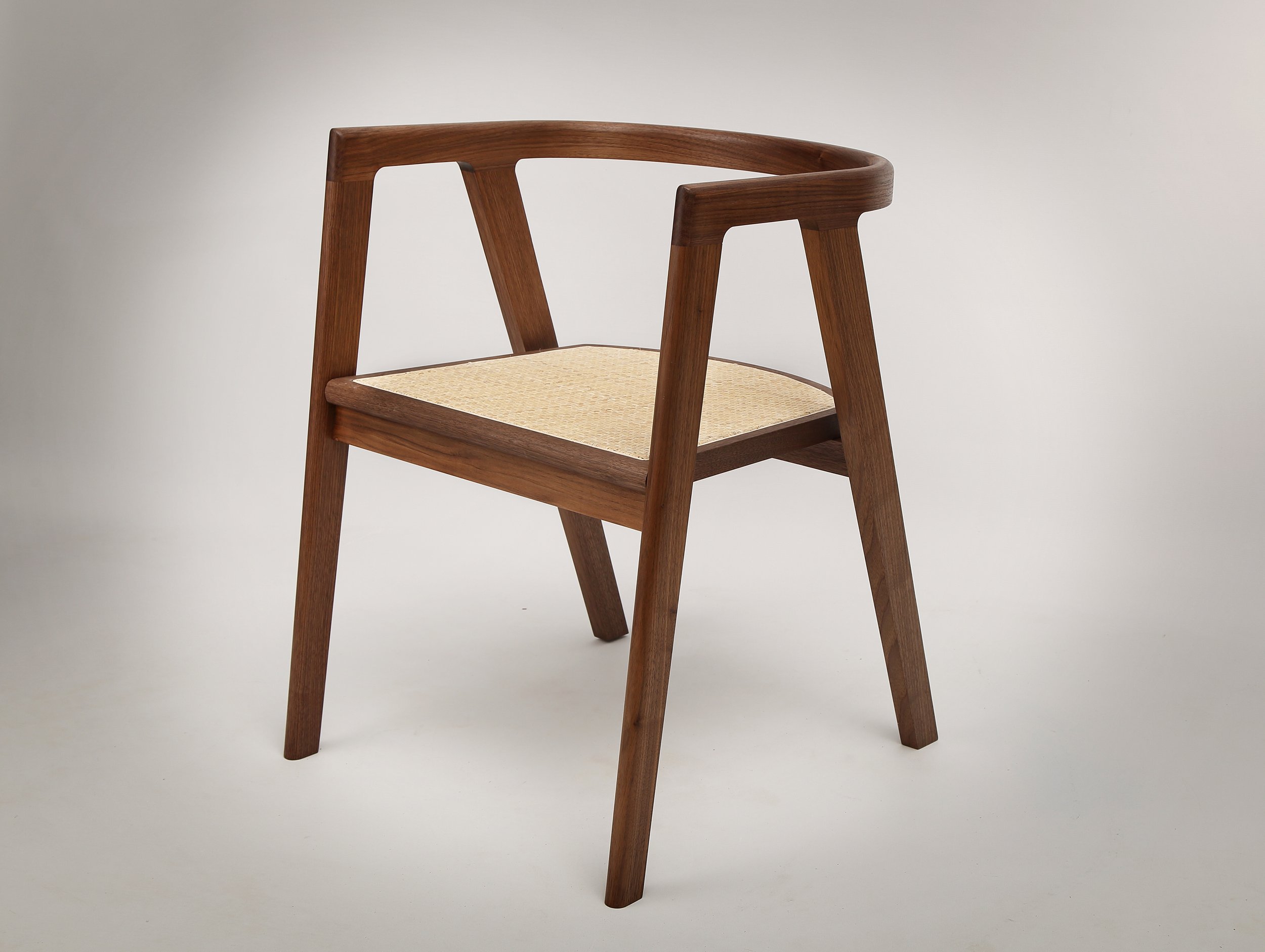
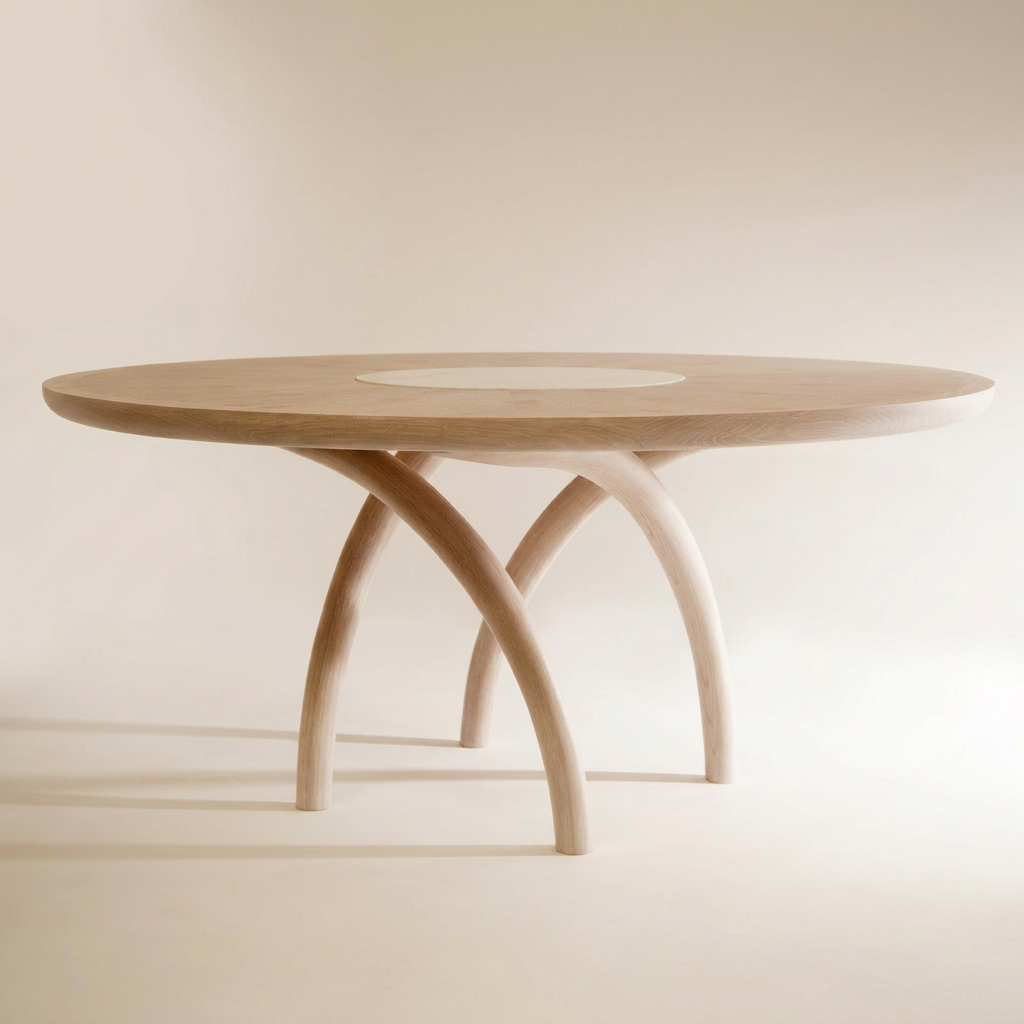
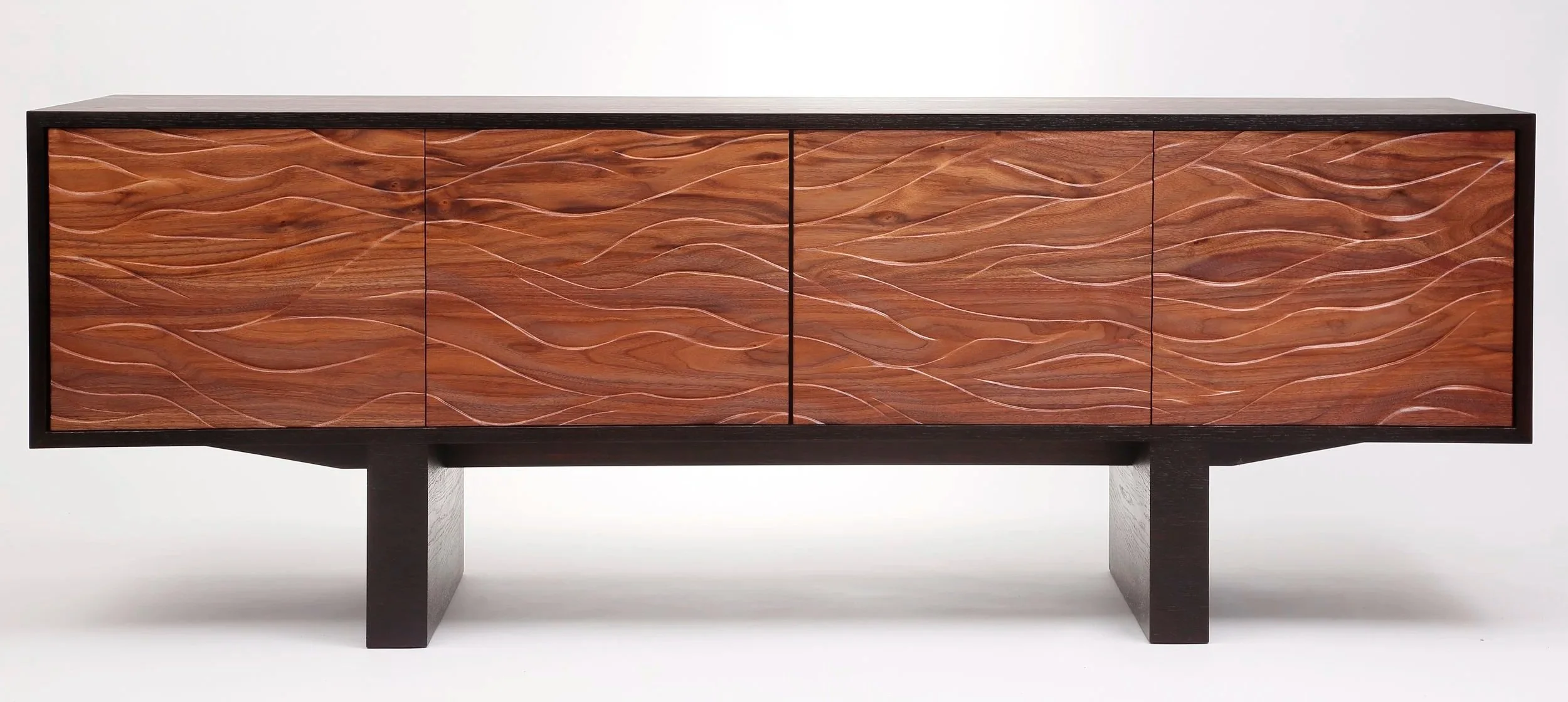
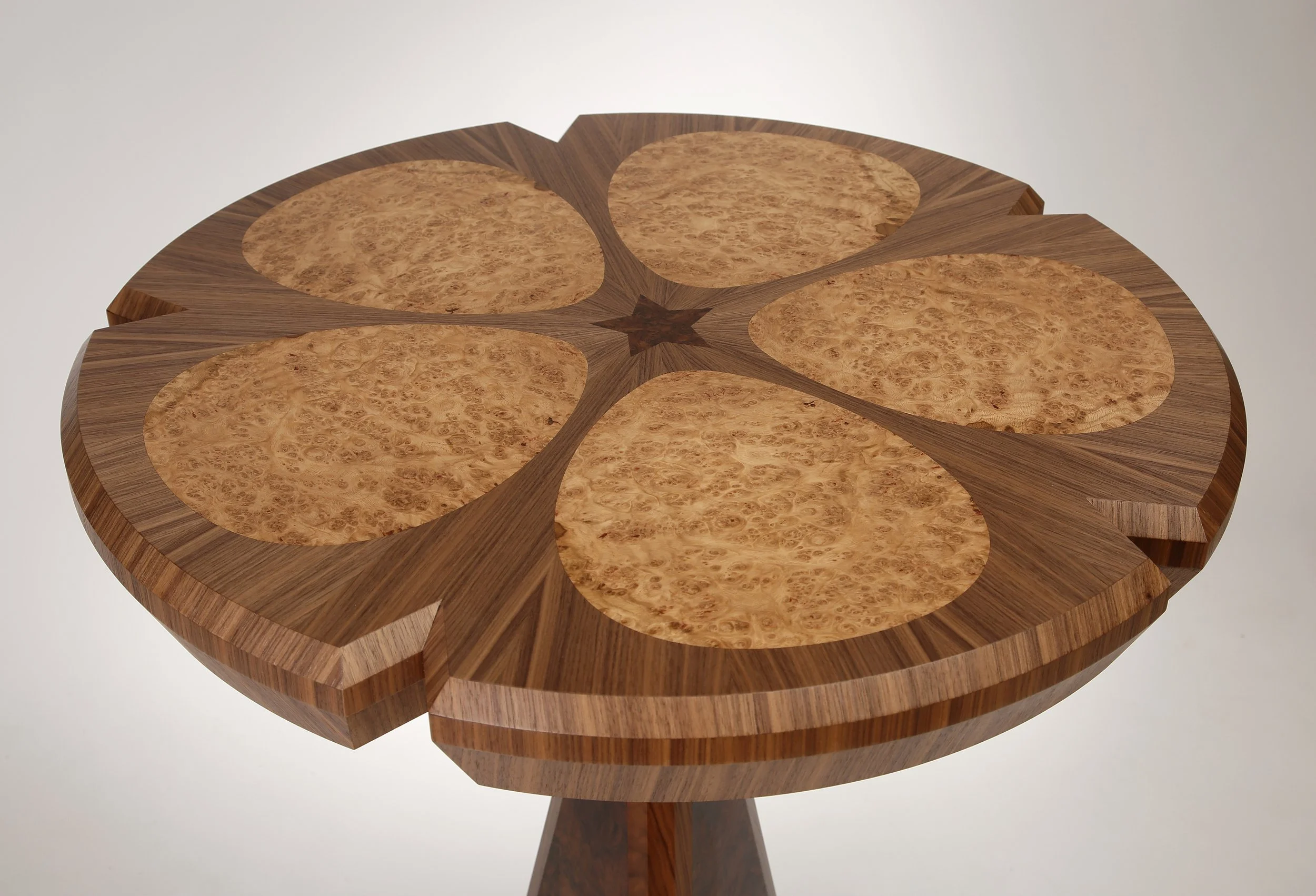
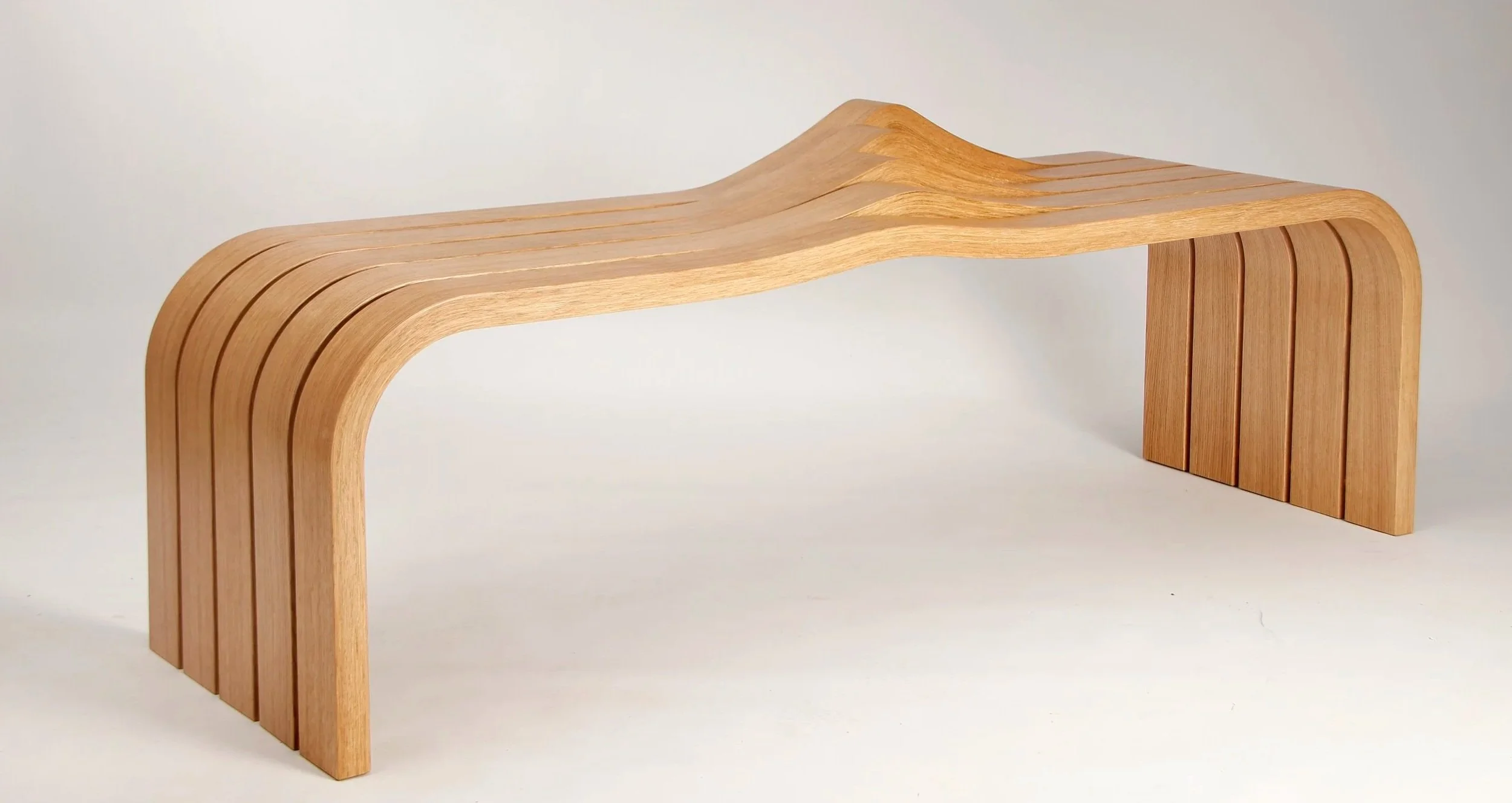
Projects are entirely student led and often become increasingly ambitious in both scale and complexity. Students may choose to design and make a collection of related pieces, focus on a single highly resolved statement piece, or explore a particular area of furniture making in greater depth. Typically students complete 2 to 3 major pieces.
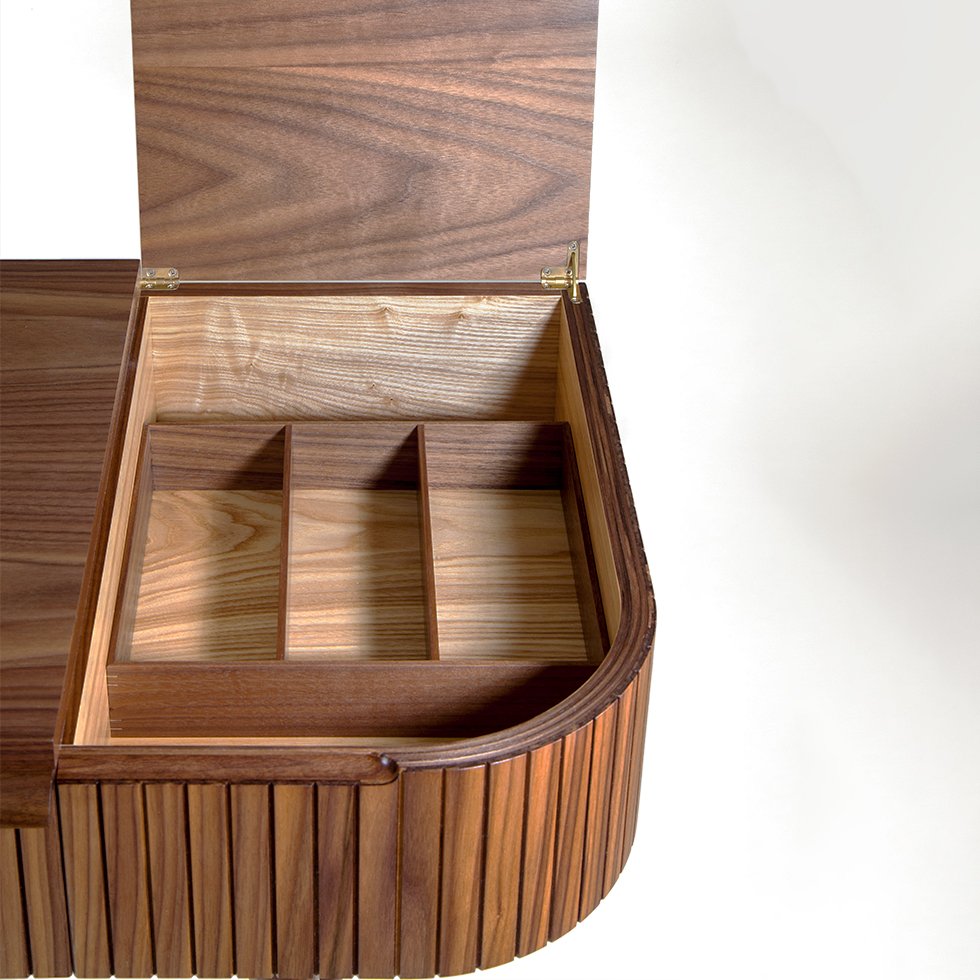
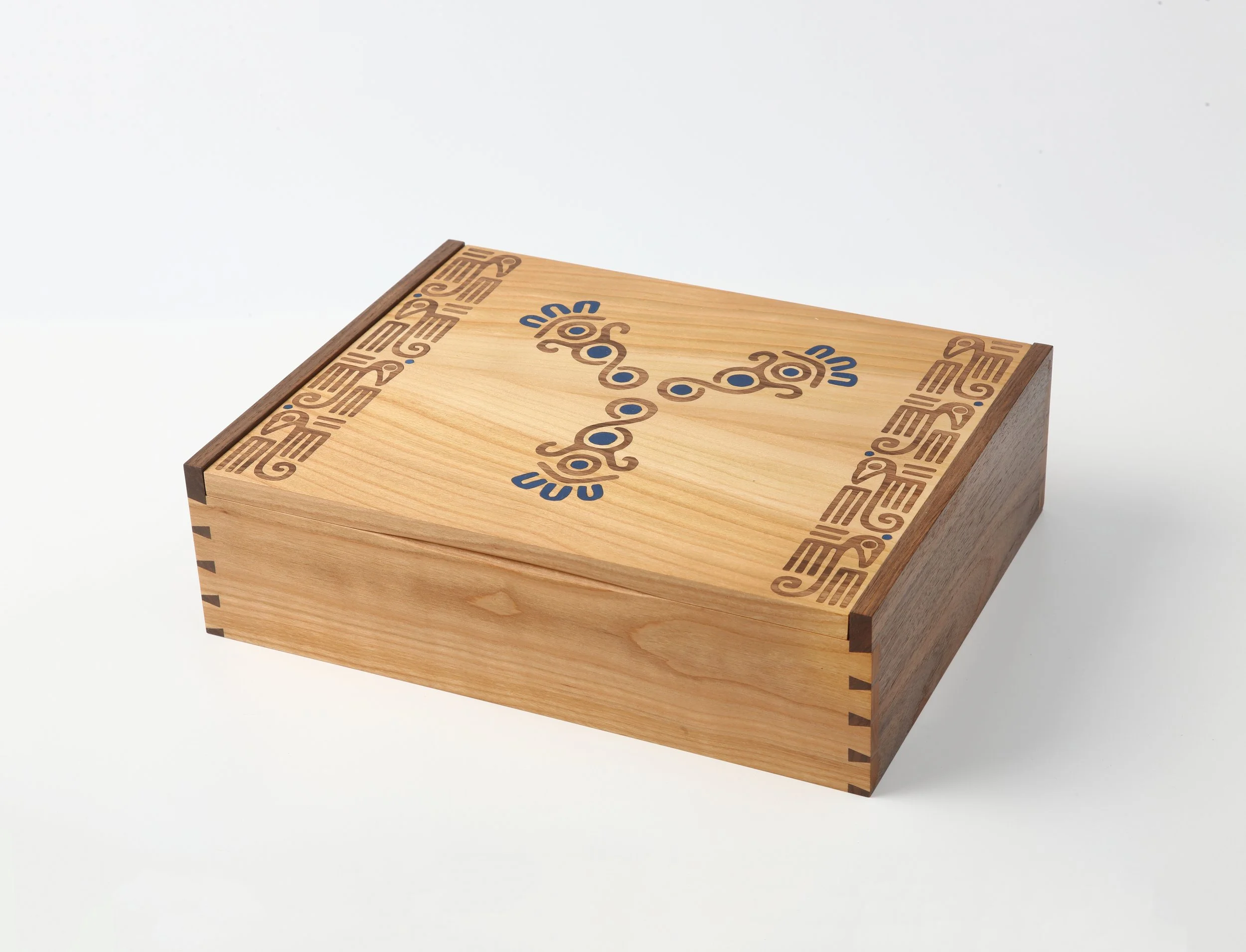
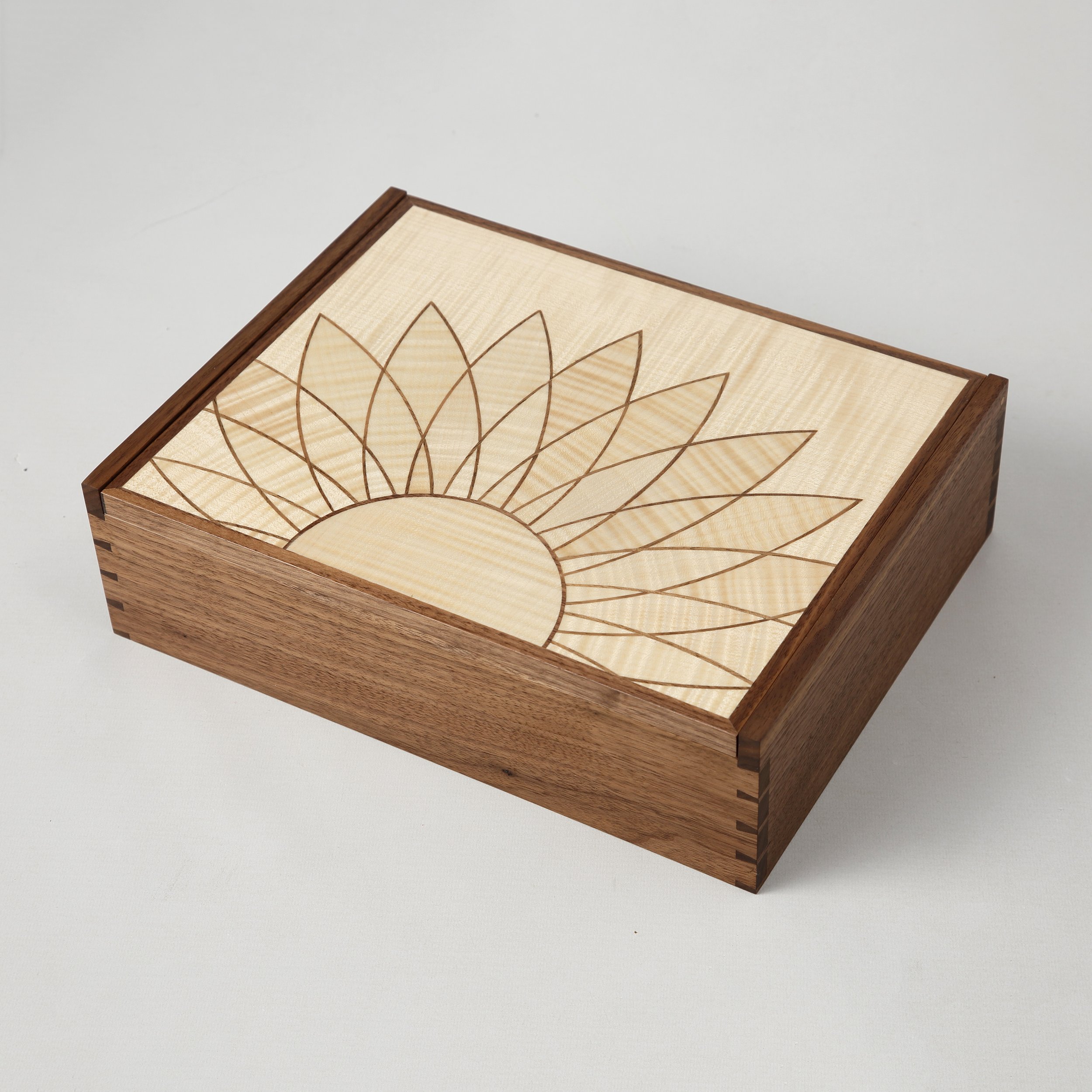
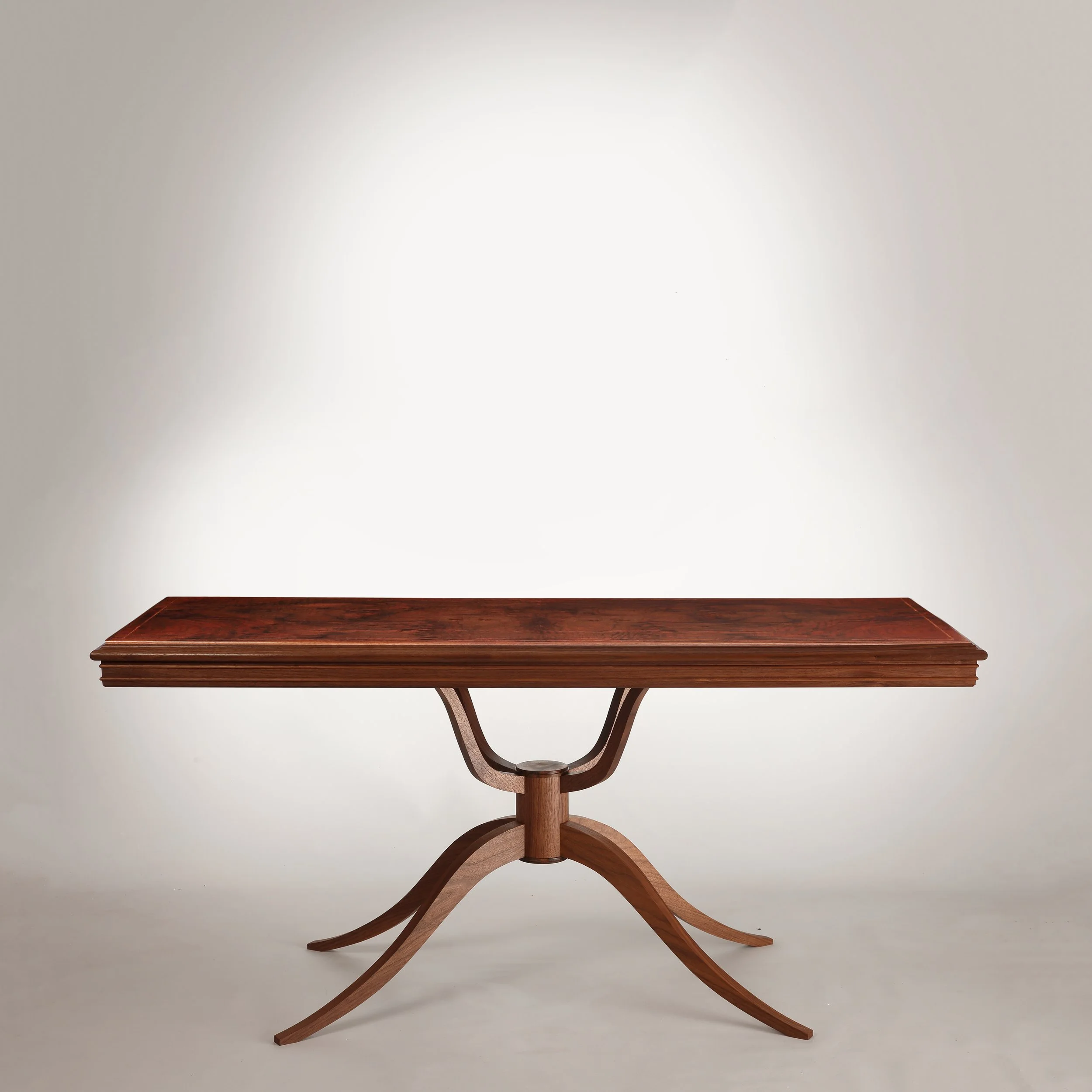
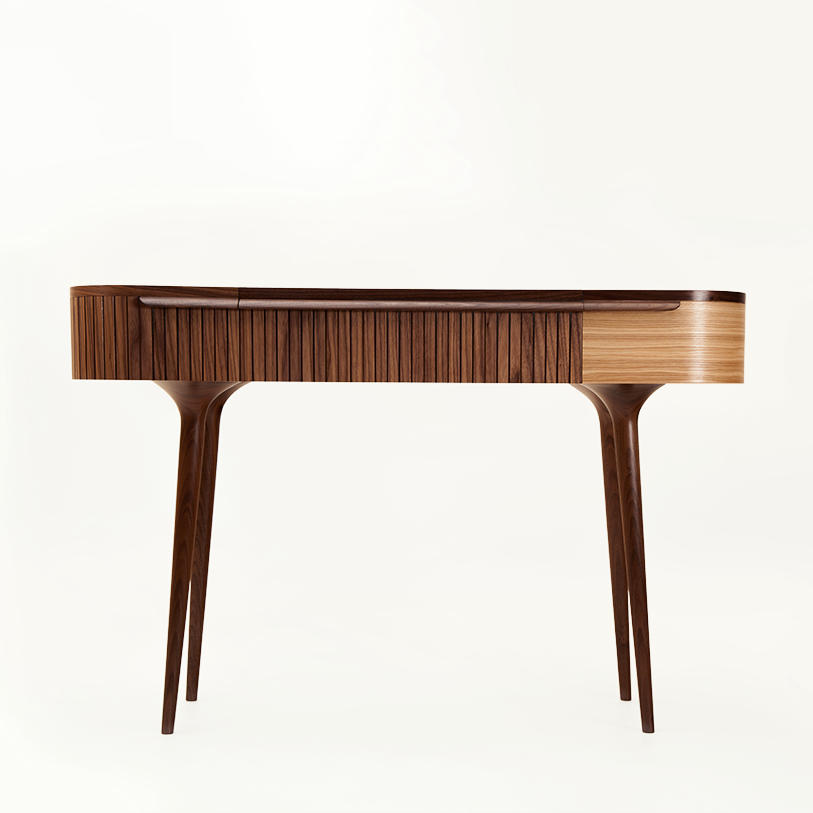
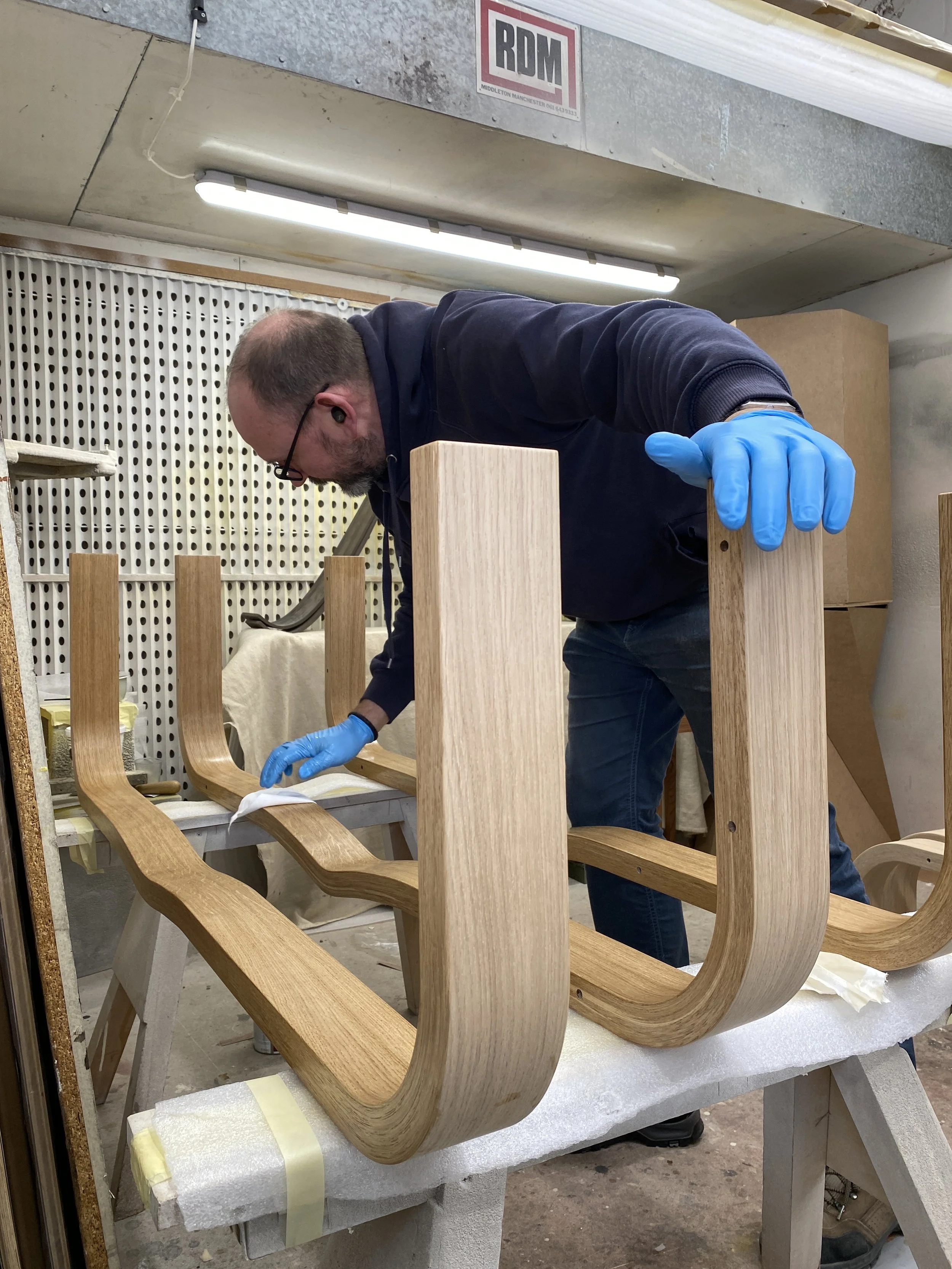
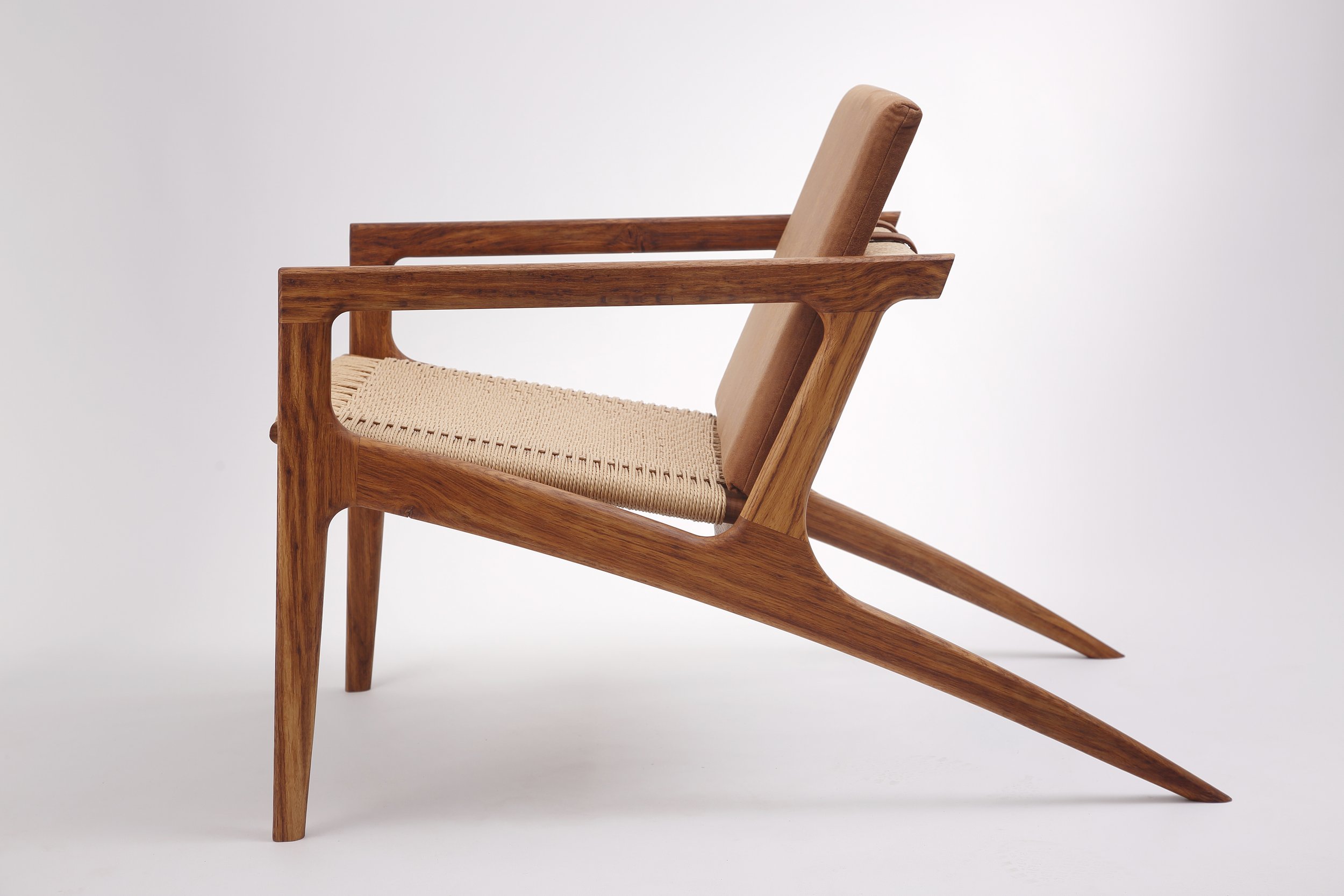
Examples might include fine cabinet work in solid timber, complex veneered surfaces, curved laminations, sculptural seating, compound shaping, steam bending and use of different materials. Some students focus heavily on hand craftsmanship, while others begin integrating digital technologies such as CNC machining or laser processes into their workflow where appropriate.
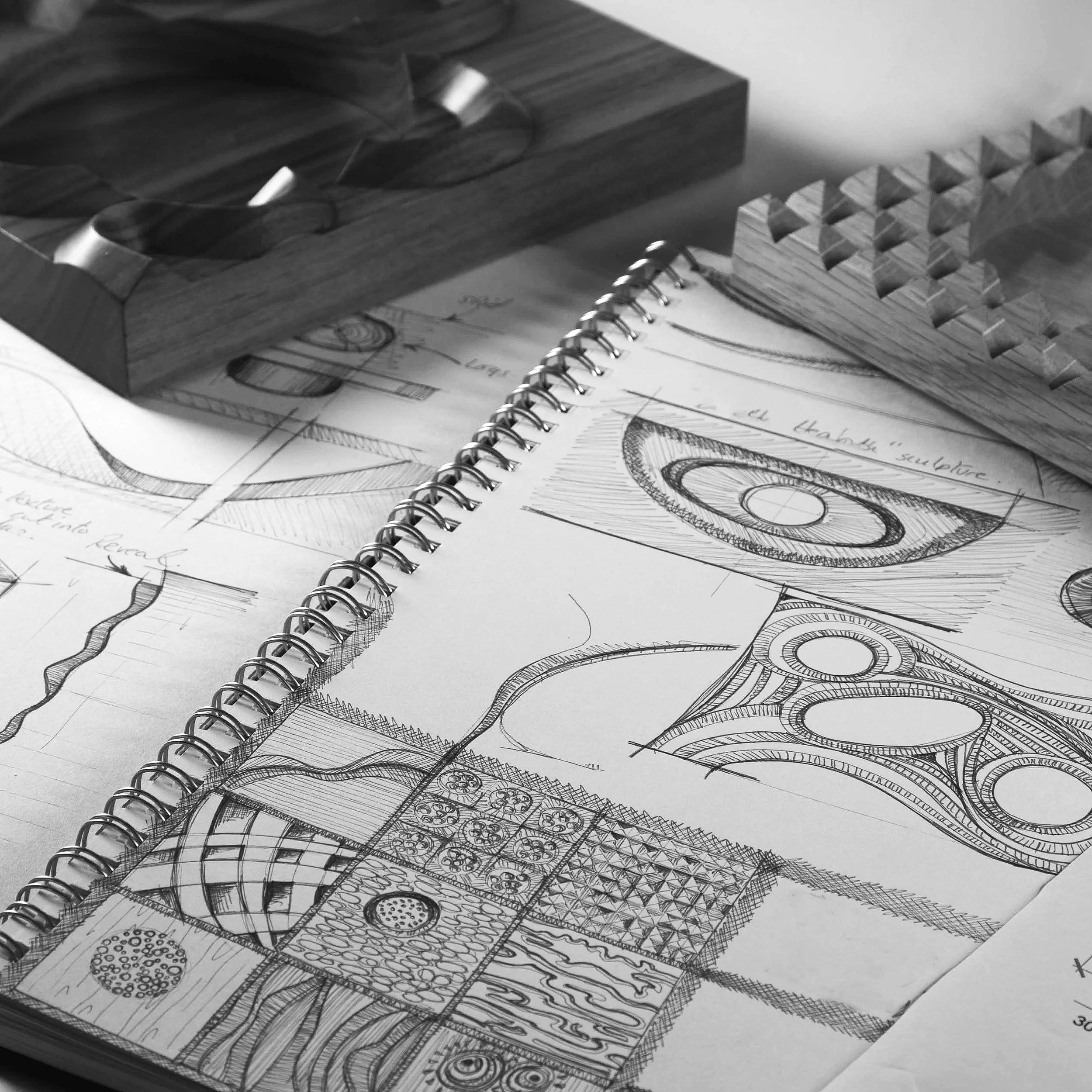
Projects typically begin through sketchbooks, models, CAD drawings and material samples before moving into full workshop production. Students are encouraged to prototype details, test joints, experiment with proportions and refine construction methods before committing to final pieces.
As work develops, increasing attention is given to scheduling, design efficiency, consistency and professional standards of finish. Students are expected to manage projects more independently, including material ordering, machining sequences, problem solving and presentation of completed work.
Throughout this process, tutors provide ongoing support in resolving technical challenges, refining design decisions and pushing the quality of both craftsmanship and creative thinking further.
By the end of the course, students leave with a substantial and highly personal body of work that reflects both their technical ability and their individual ambitions as a maker.
Course Content
-
Selection and set up of hand tools
Sharpening of tools
Use of hand and measuring tools
Adhesives and their correct use
Joint cutting and jig making
Making and using rods and templates
Cabinet scrapers and sanding
An appreciation of the variation in the standards of furniture making
-
Furniture components
Jointing and structures
Carcass and frame construction
Carcass rigidity and chair construction
Furniture fittings and fixtures
Furniture mechanisms
Jigs and Assembly
Preparation and cutting lists
Standardisation and production solutions
Modern and traditional methods
Appropriate production methods and solutions
-
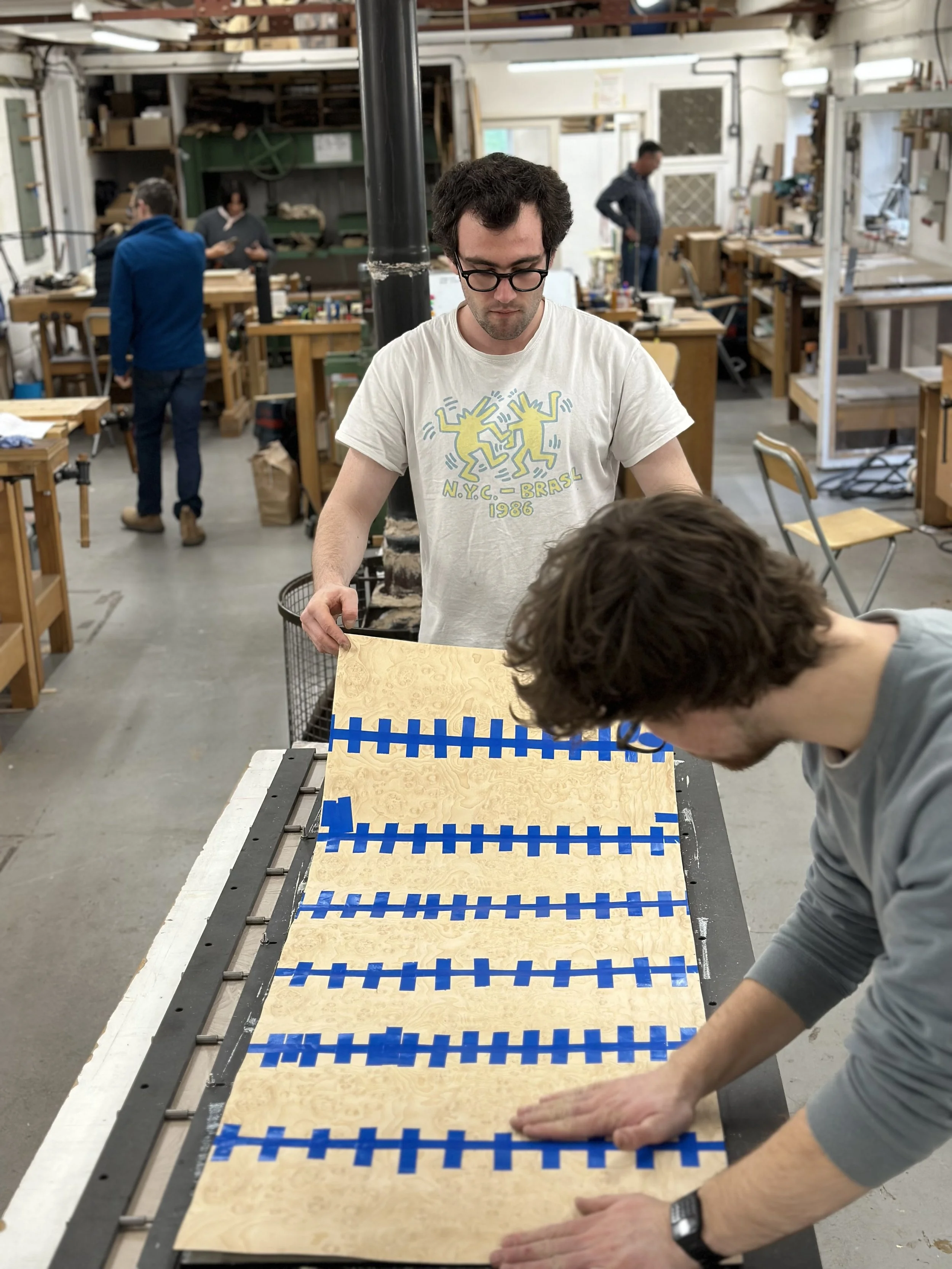
Selection and cutting of veneers and laminates
Design and production of moulds and formers
Vacuum bags and presses
Steam bending, kerfing and coopering
Production of components with compound curves
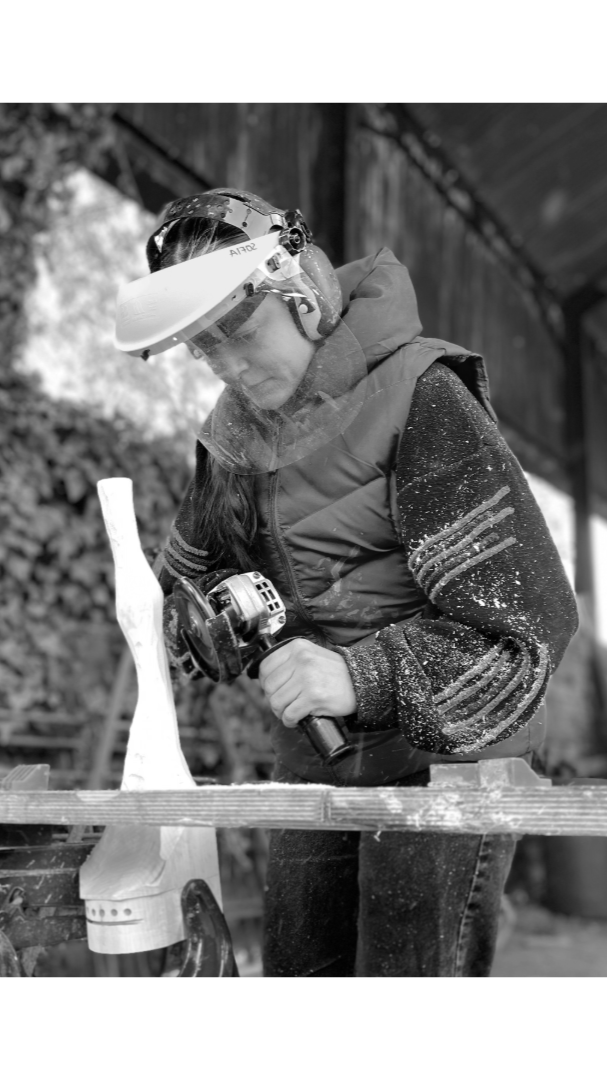
Angle grinding
Spindle work
Preparing and laying veneers
-
Aesthetic and structural value of a variety of materials
Timber technology
Timber identification
Material defects
Moisture content, seasoning and movement
Material conversion
Understanding and using veneer
Selecting and buying materials
Marquetry work
The properties and application of a range of finishes
The safe use of finishing materials
The implications when assembling furniture
Abrasives in hand and machining operations
Hand finishing and spraying
-
The identification and use of key power tools
Safe working practices
Learning the potential applications of all the key power tools
Maintenance including changing and sharpening of cutters, saws and blades
-
Health and safety in a workshop
The selection, maintenance and use of a variety of machines
Designing safe and effective jigs
Production techniques
-
Freehand drawing and sketching
Perspective
Ergonomics including anthropometrics
Working drawings
Colour awareness and application
The design process
Design vocabulary
Design theory, including proportioning concepts
Design analysis and evaluation
3D awareness
Personal design philosophy
Research skills
Contemporary furniture makers
Presentation drawings and skills
Photographing your work
Portfolios
-
An introduction to the programming of Laser and CNC machines
Completion
As mentioned, the Advanced Course represents the final stage of our Designer Maker Series which, when combined with the previous two courses, is equivalent to our 40-week Professional Course. It brings together the technical skill, creative confidence, and workshop independence developed throughout the Foundation and Practitioner stages.
By this point, students leave not only with a body of work, but with a far clearer understanding of their own voice as a maker and where they wish to take it. For some, that journey leads towards employment within respected workshops or establishing an independent practice. Others may go on to build a personal workshop at home, pursue commissions, continue creative exploration, or simply carry craftsmanship forward as a deeply rewarding part of life.
For many, this stage marks the beginning rather than the end, the point where making becomes less about learning processes and more about developing a meaningful and lasting relationship with the craft itself.
Finally for some students, continuing to refine specific ambitions can be achieved through our Bespoke Tailored service. Whatever path follows, the aim remains the same, to leave with the confidence, capability and creative foundation to continue growing, questioning and making long after the course has finished.