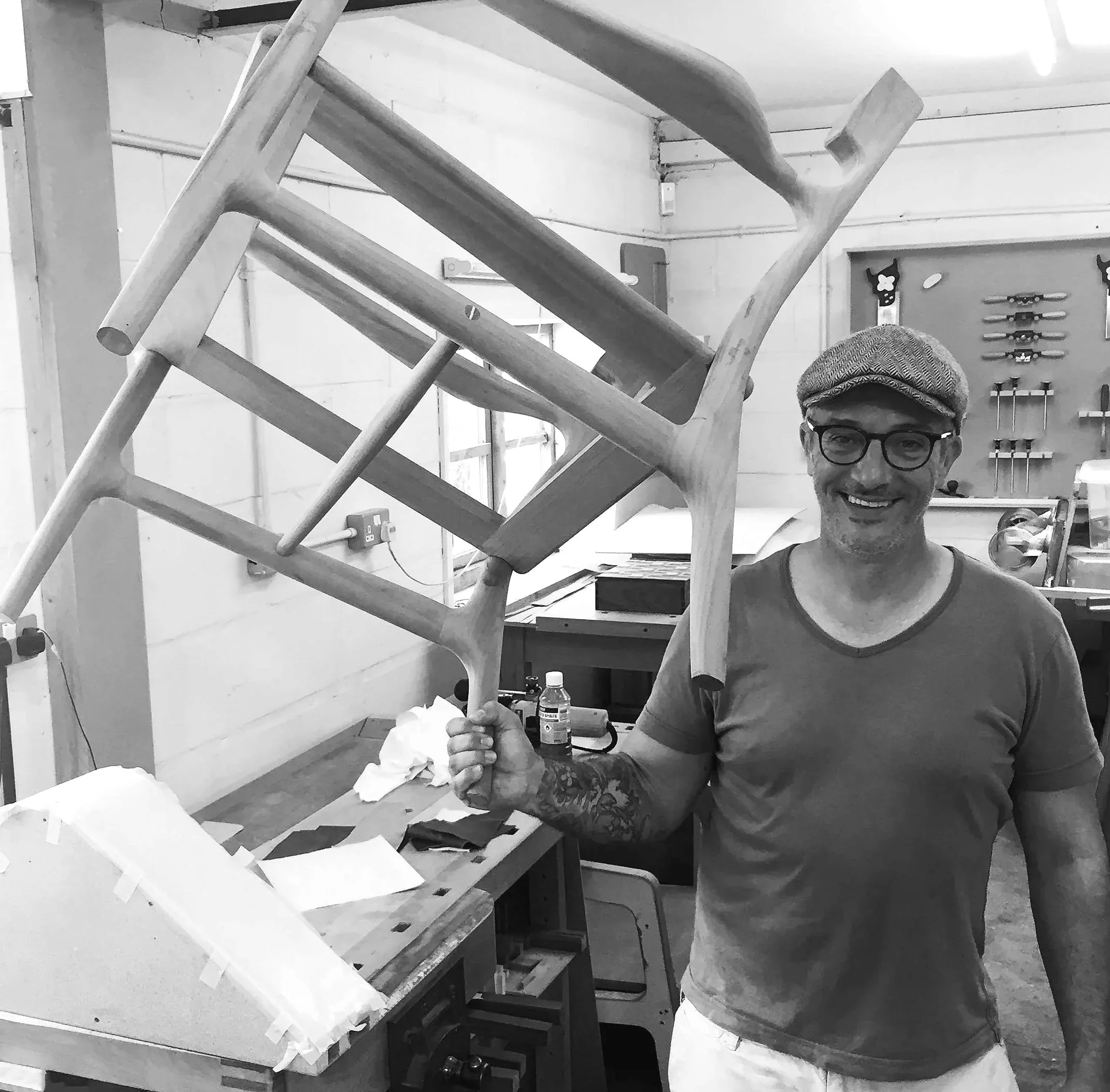

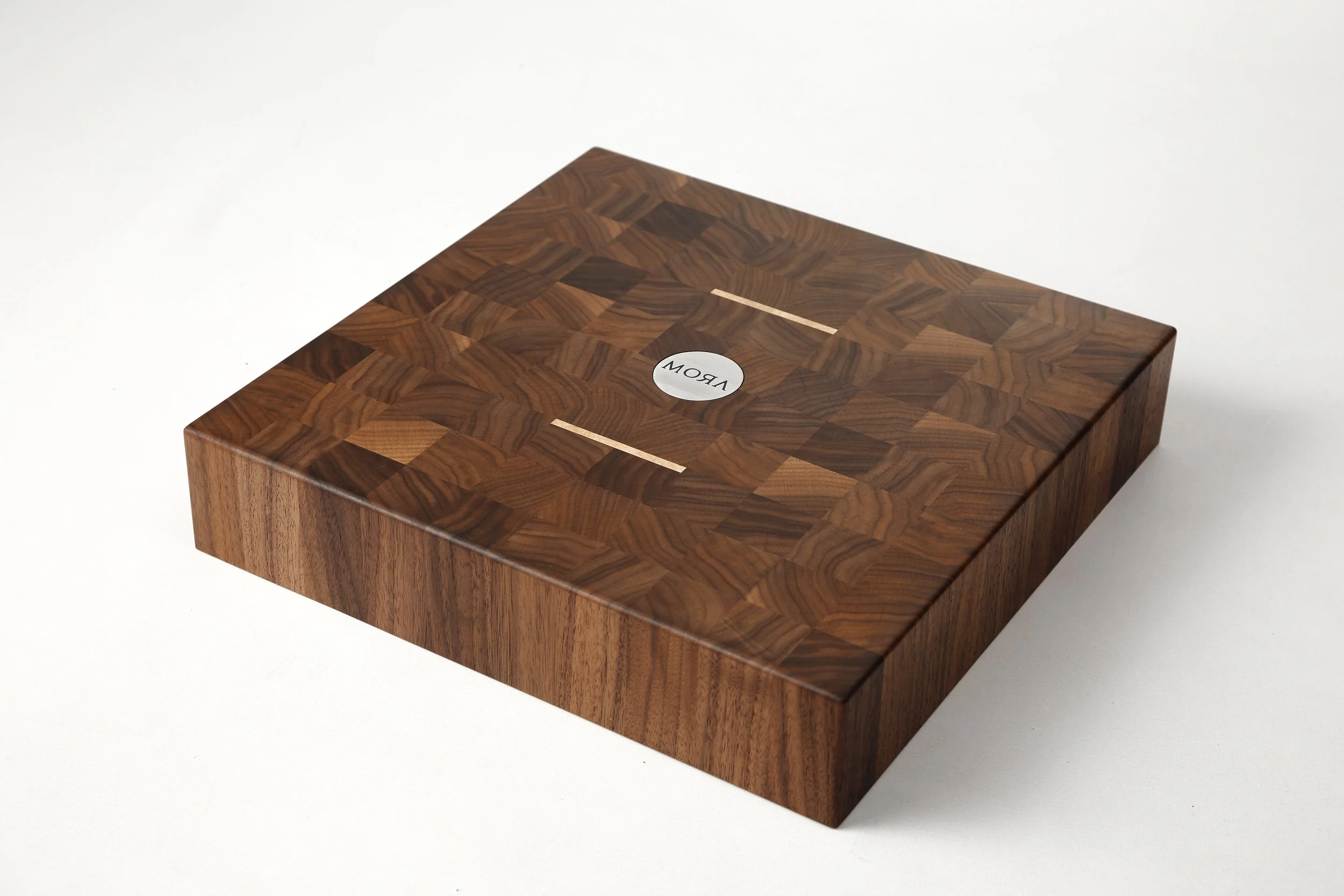
What you can expect
Low student-to-tutor ratio
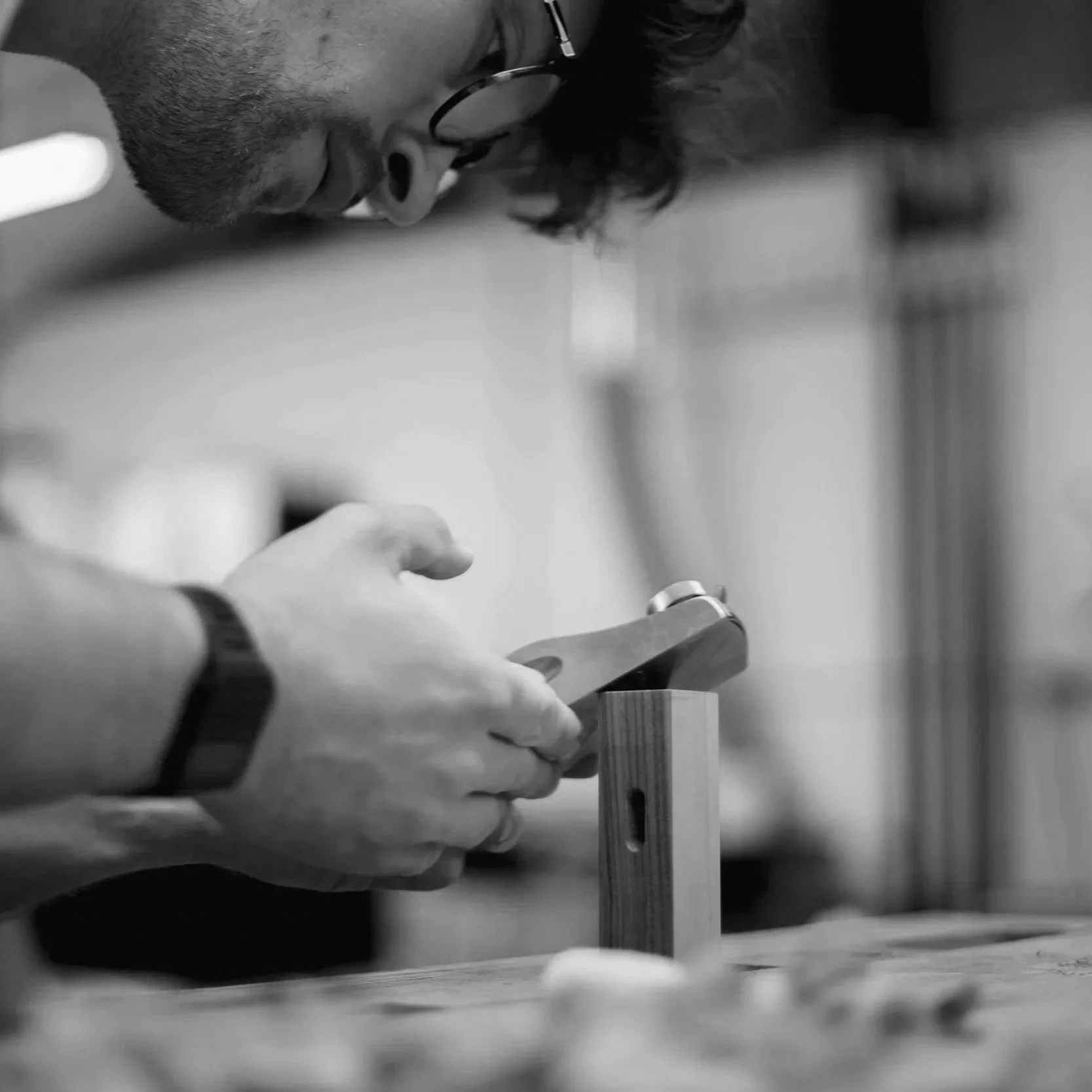
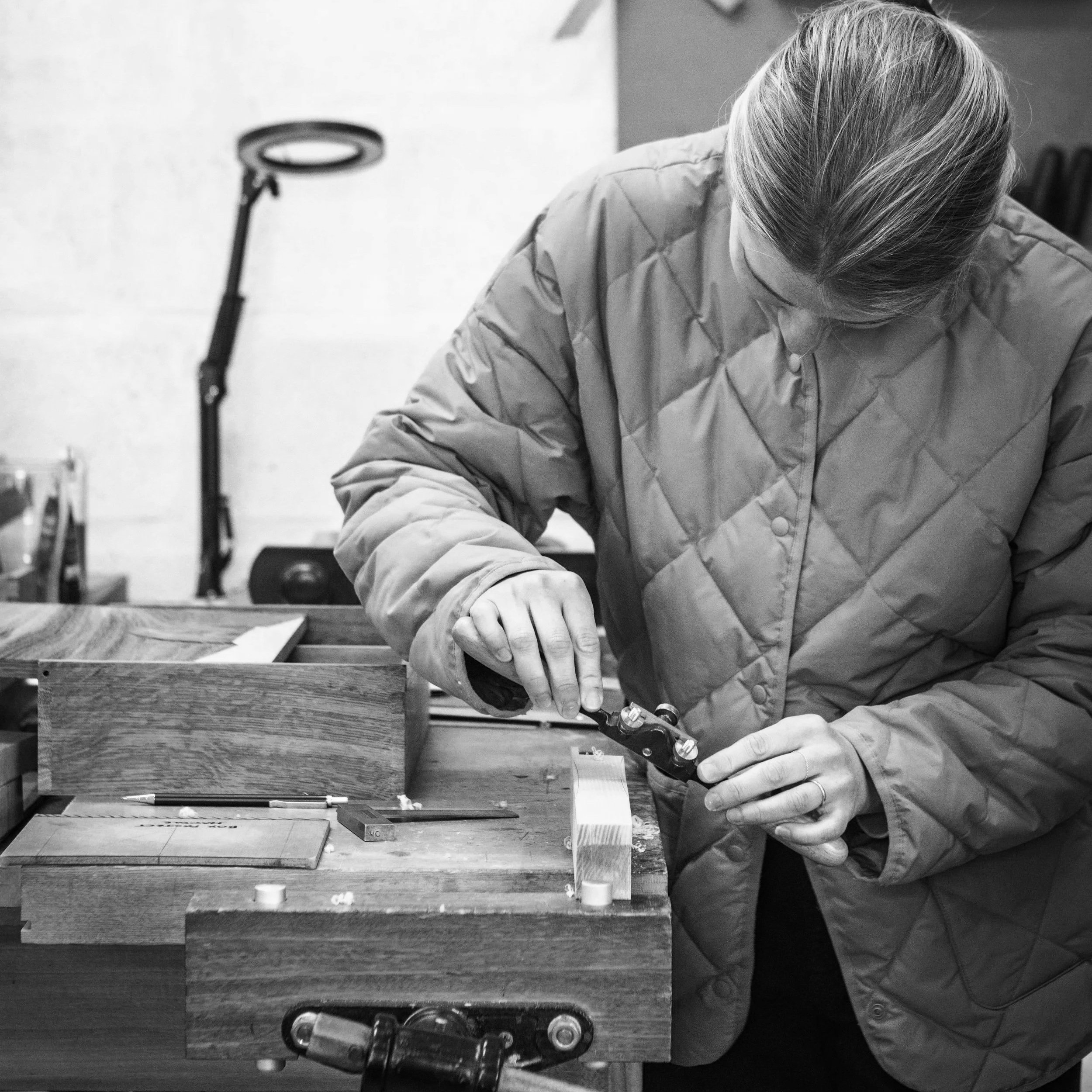
Intensive workshop-based learning
Supportive and collaborative studio culture
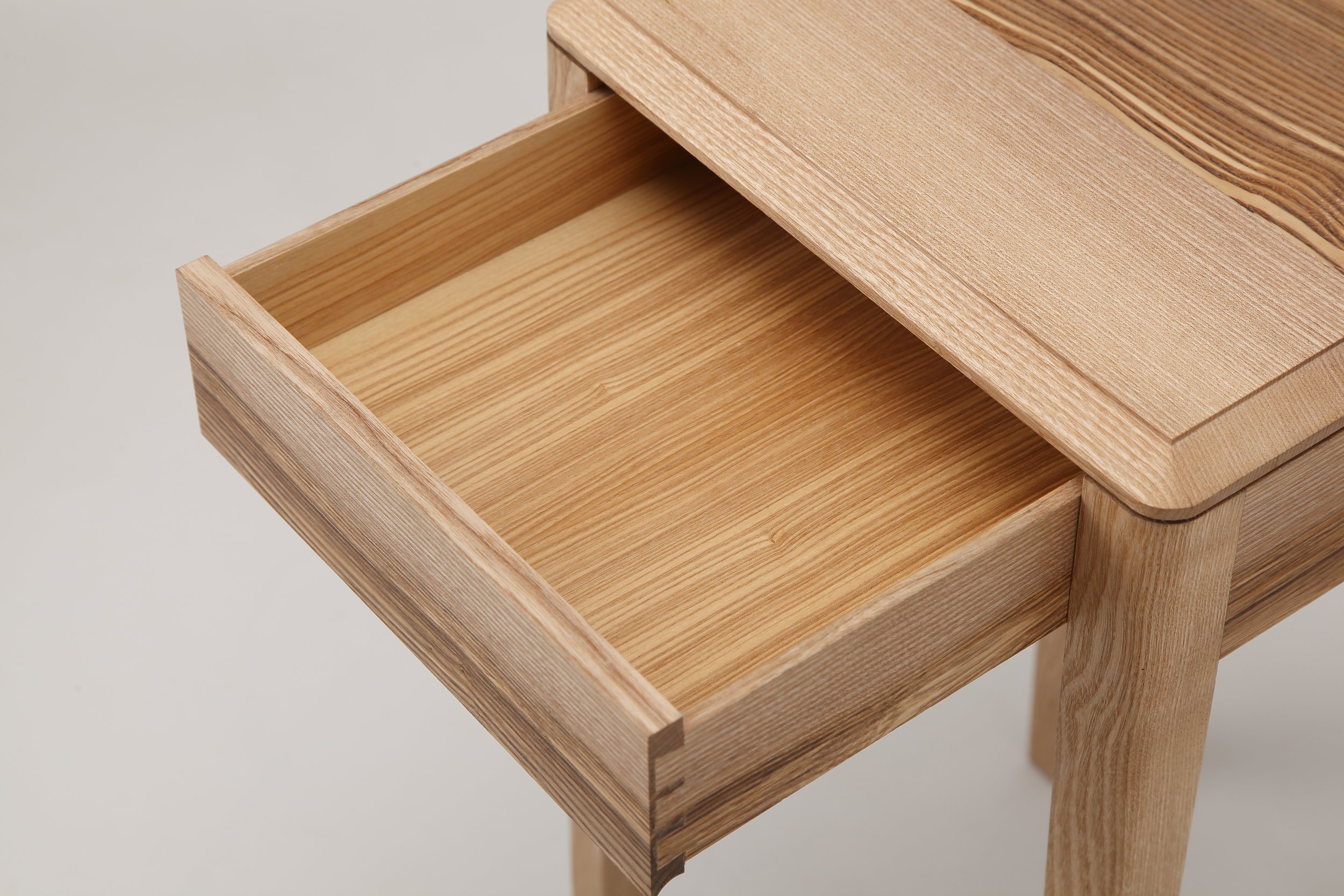
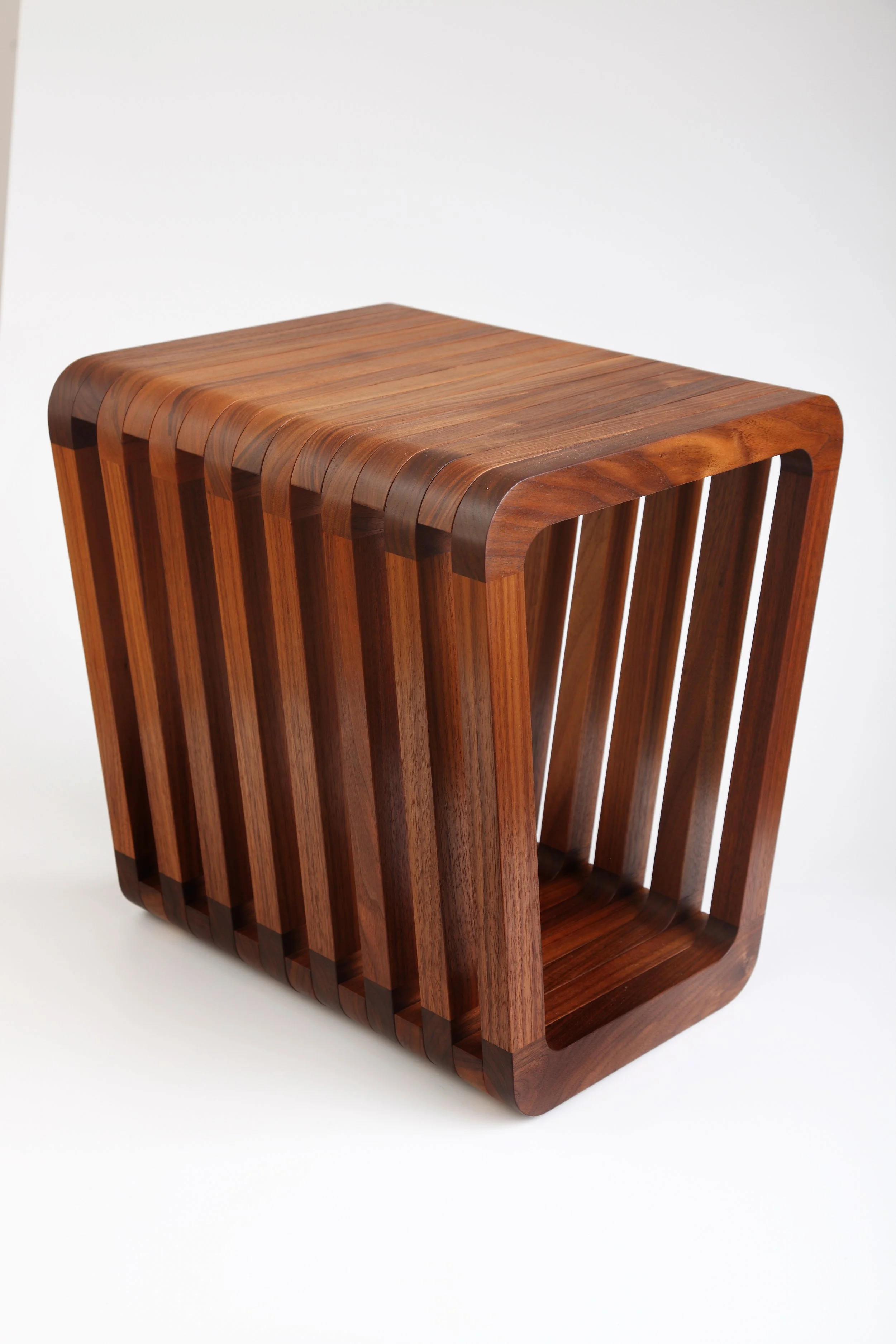
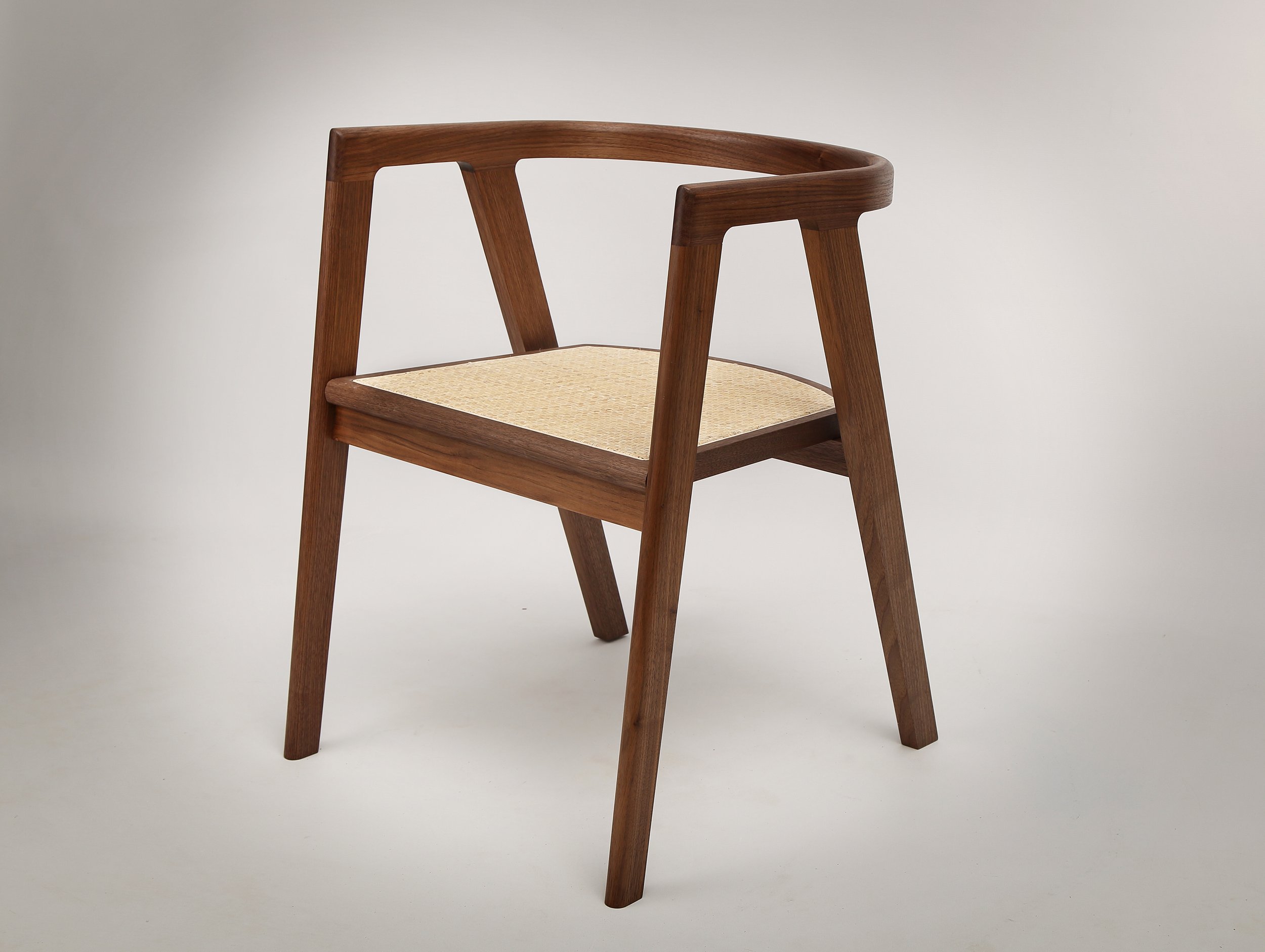
Strong development of hand skills and craftsmanship
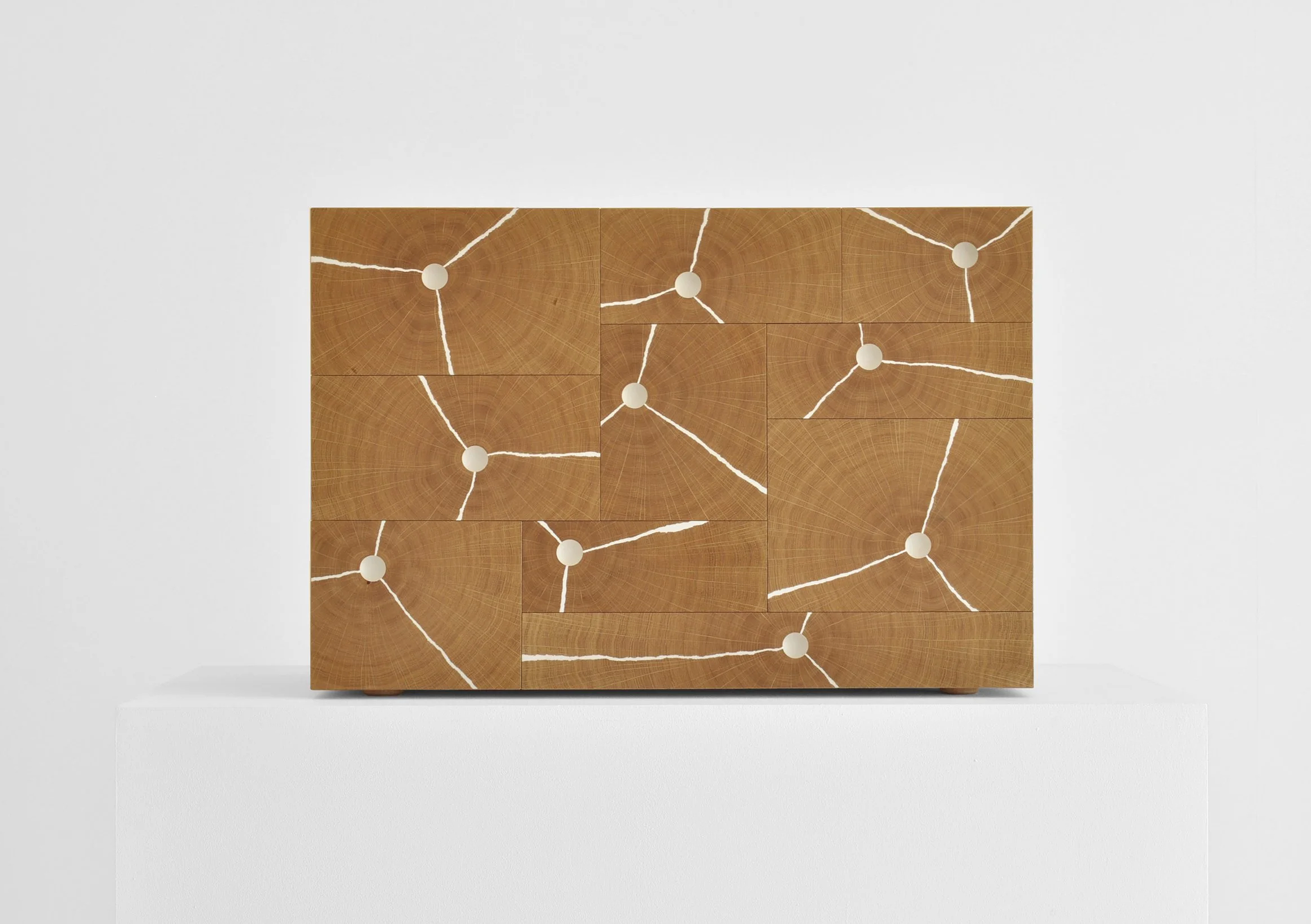
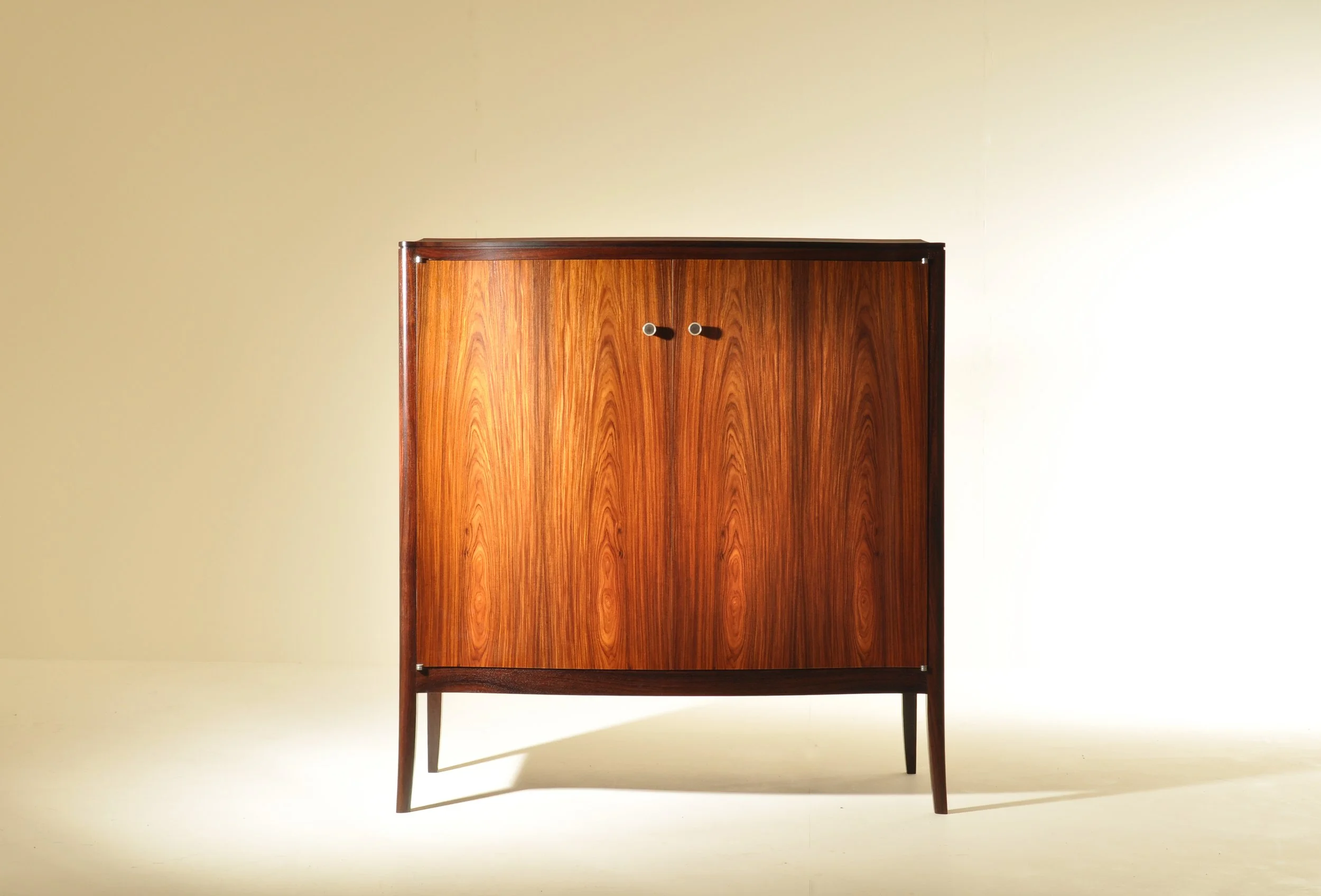
Exposure to both traditional and contemporary furniture making methods
Individual design development and creative confidence
CAD, drawing and presentation skills
Access to digital technologies and modern workshop processes
Industry insight and professional workshop exposure
Flexible and personalised learning pathways
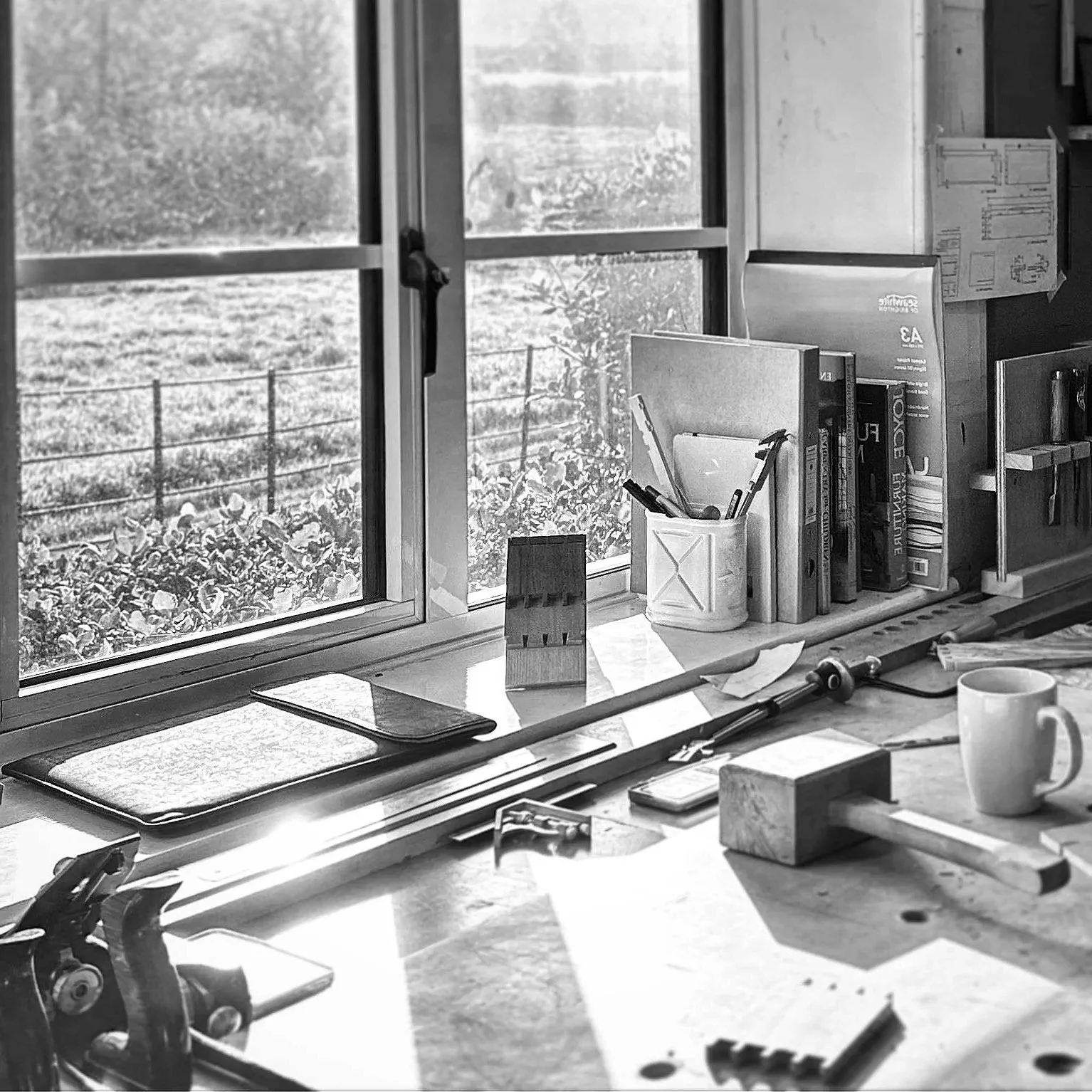
A calm and inspiring rural workshop environment
Friendly international workshop community
Our Approach
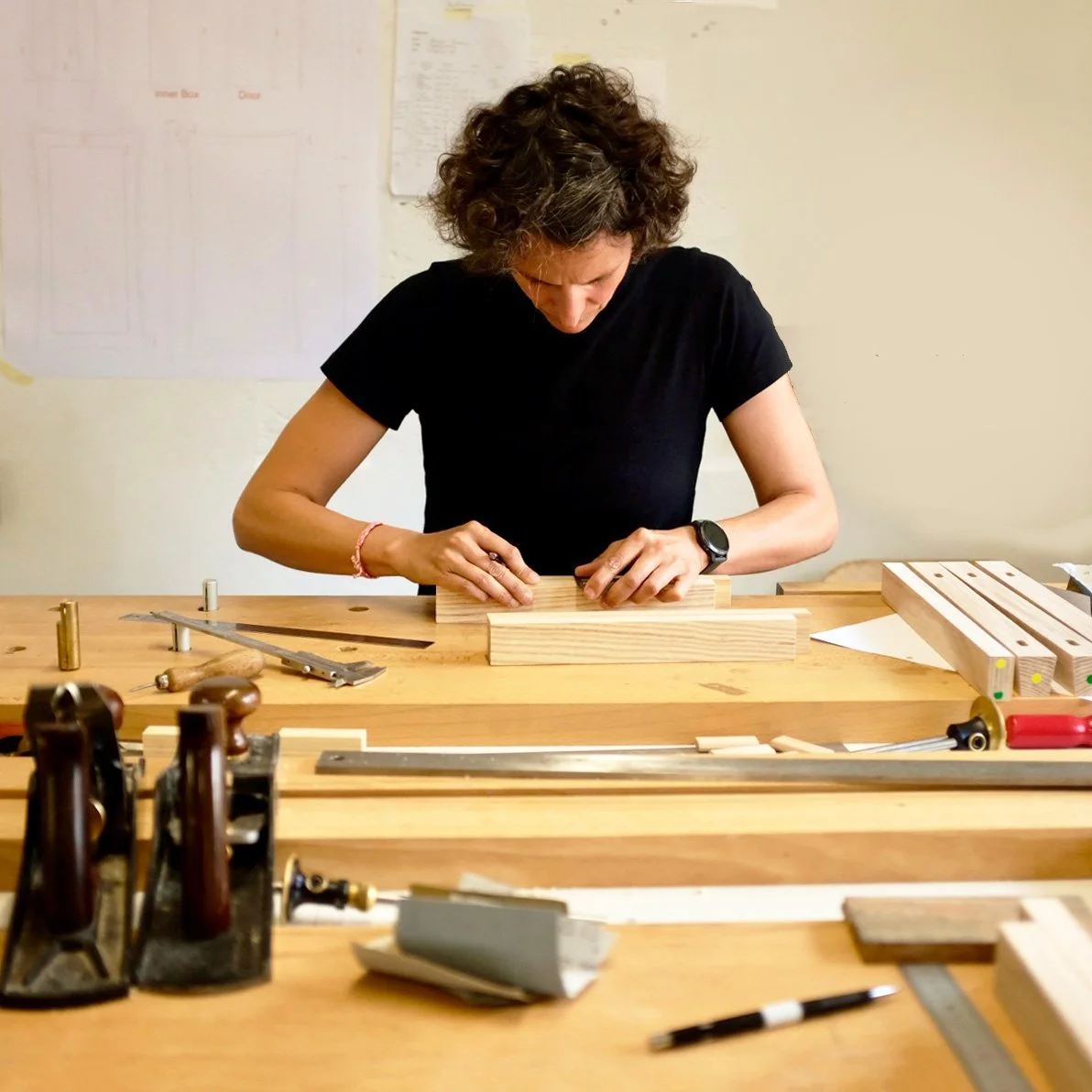
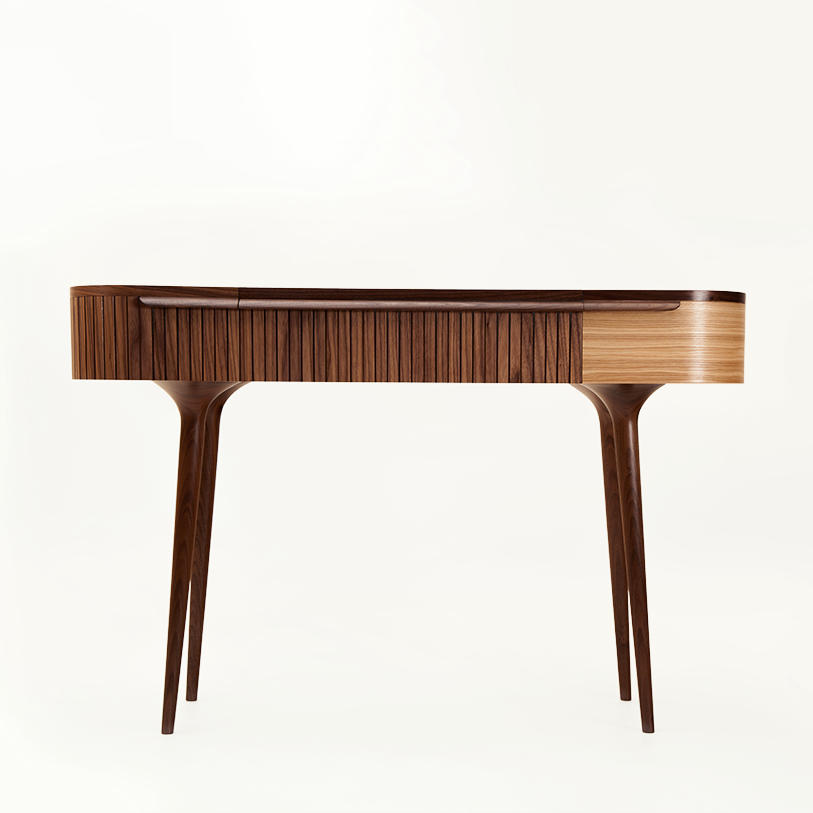
Students develop strong practical skills, design understanding and professional workshop confidence through a carefully balanced combination of traditional craftsmanship, contemporary making methods and individual creative development.
The course is particularly suited to international students seeking a shorter period of professional study, whether as preparation for future employment, to strengthen an existing creative practice, or to deepen personal making skills and design understanding. Our Bespoke Tailored service may also suit you.
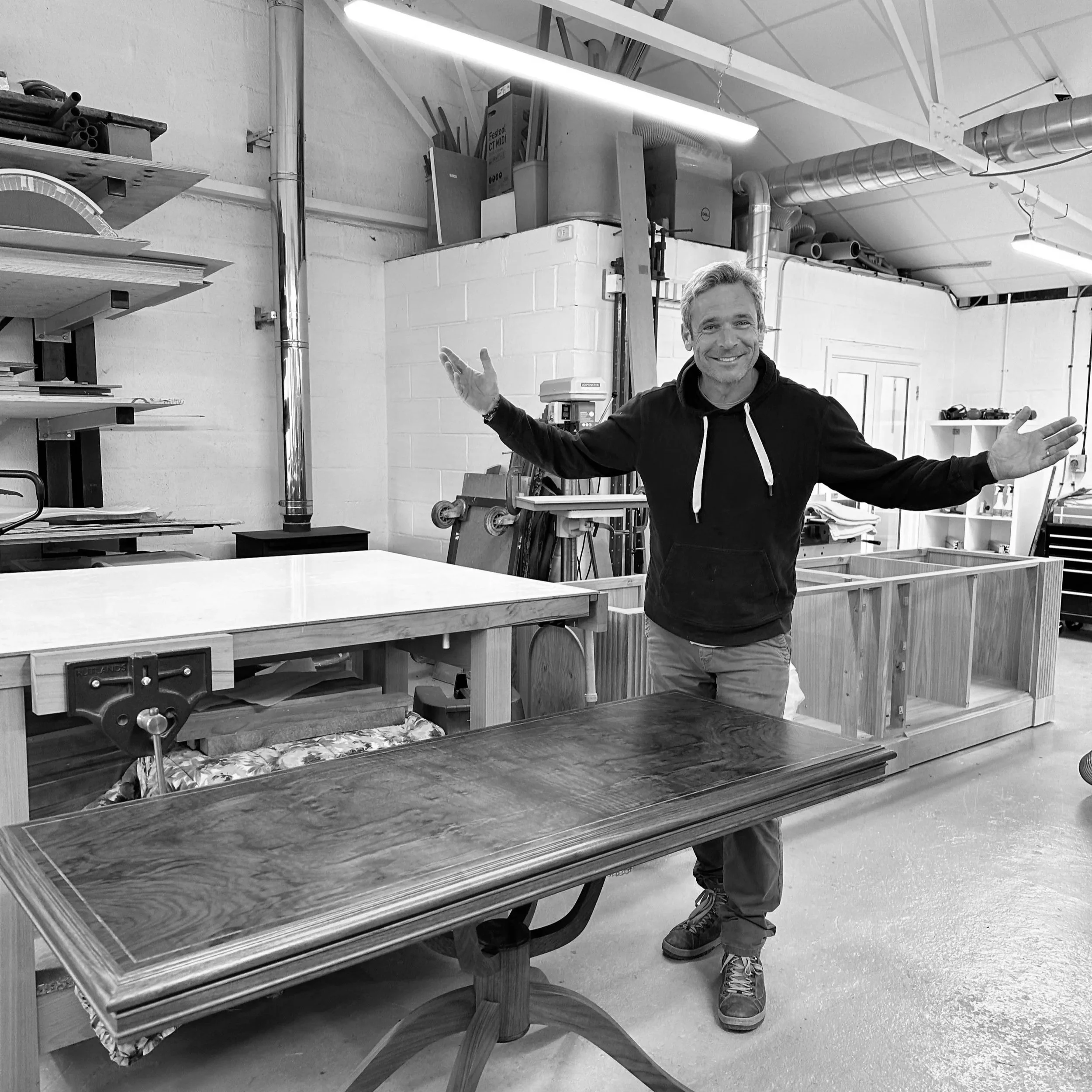
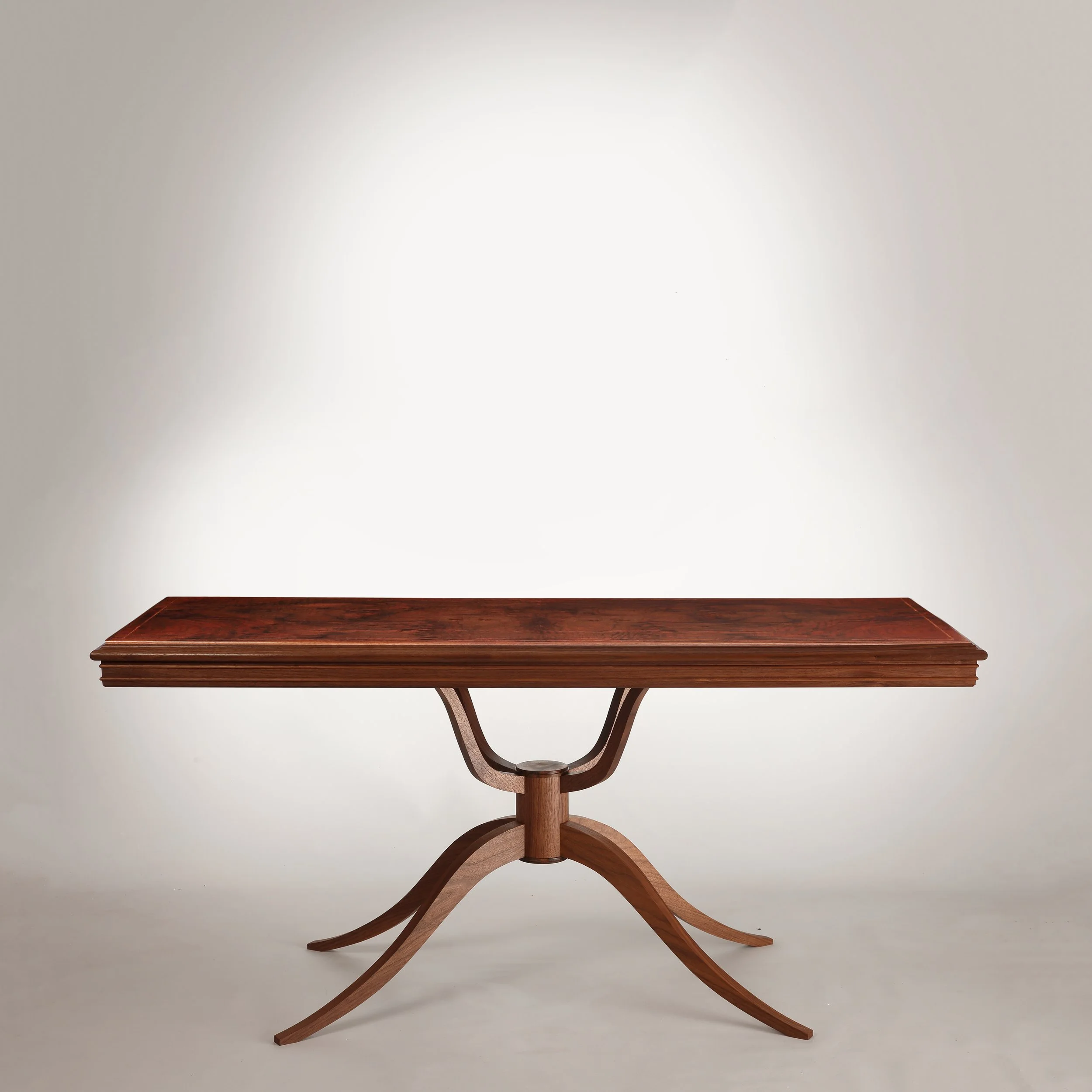
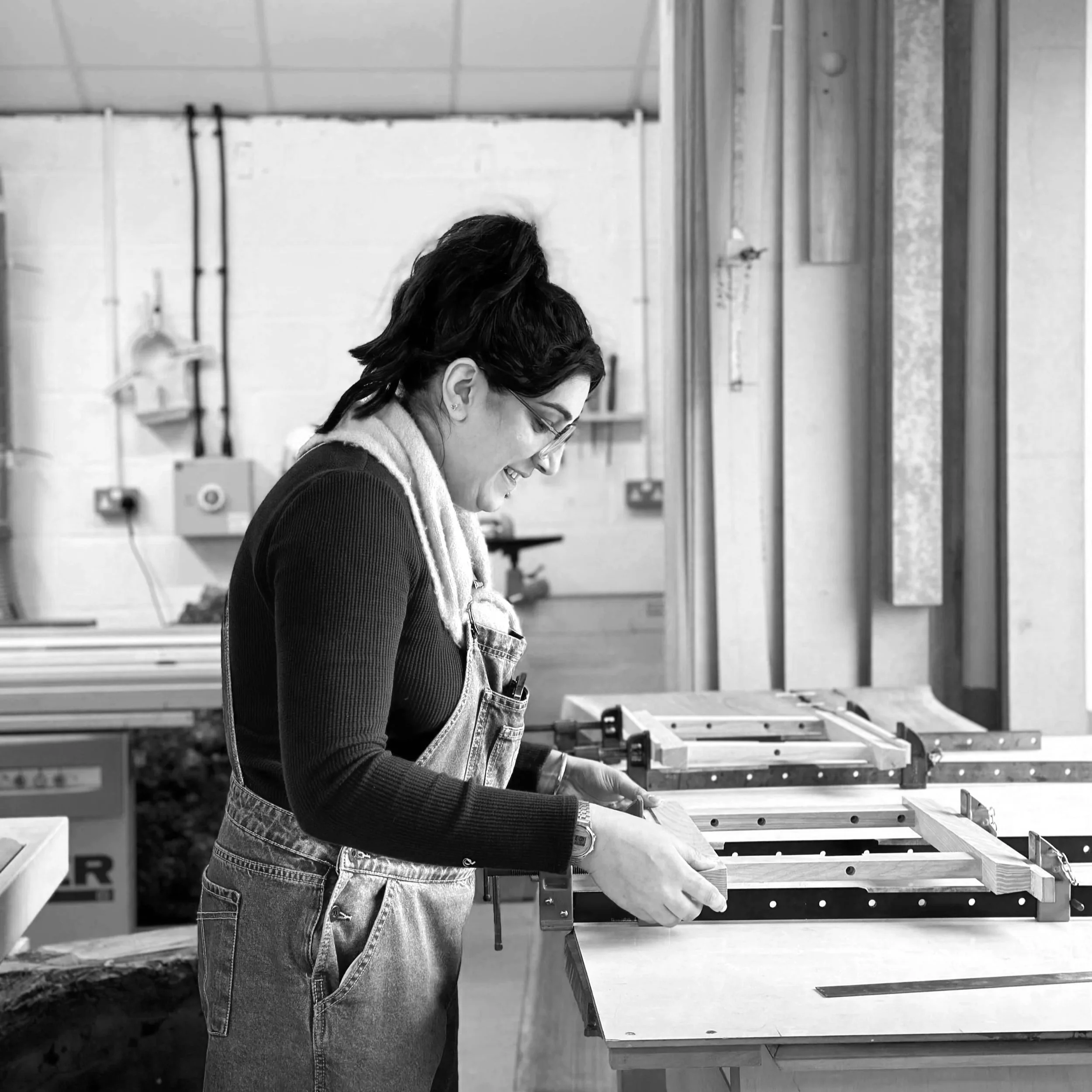
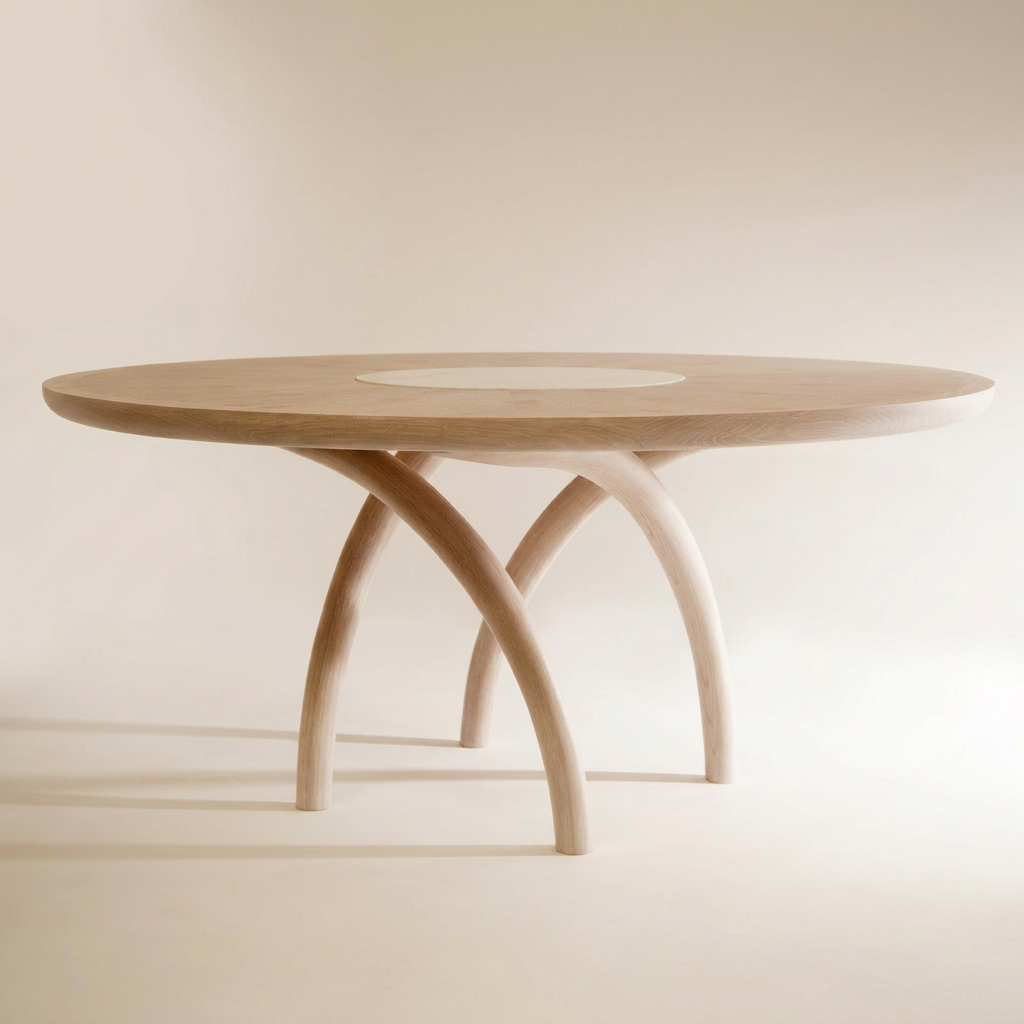
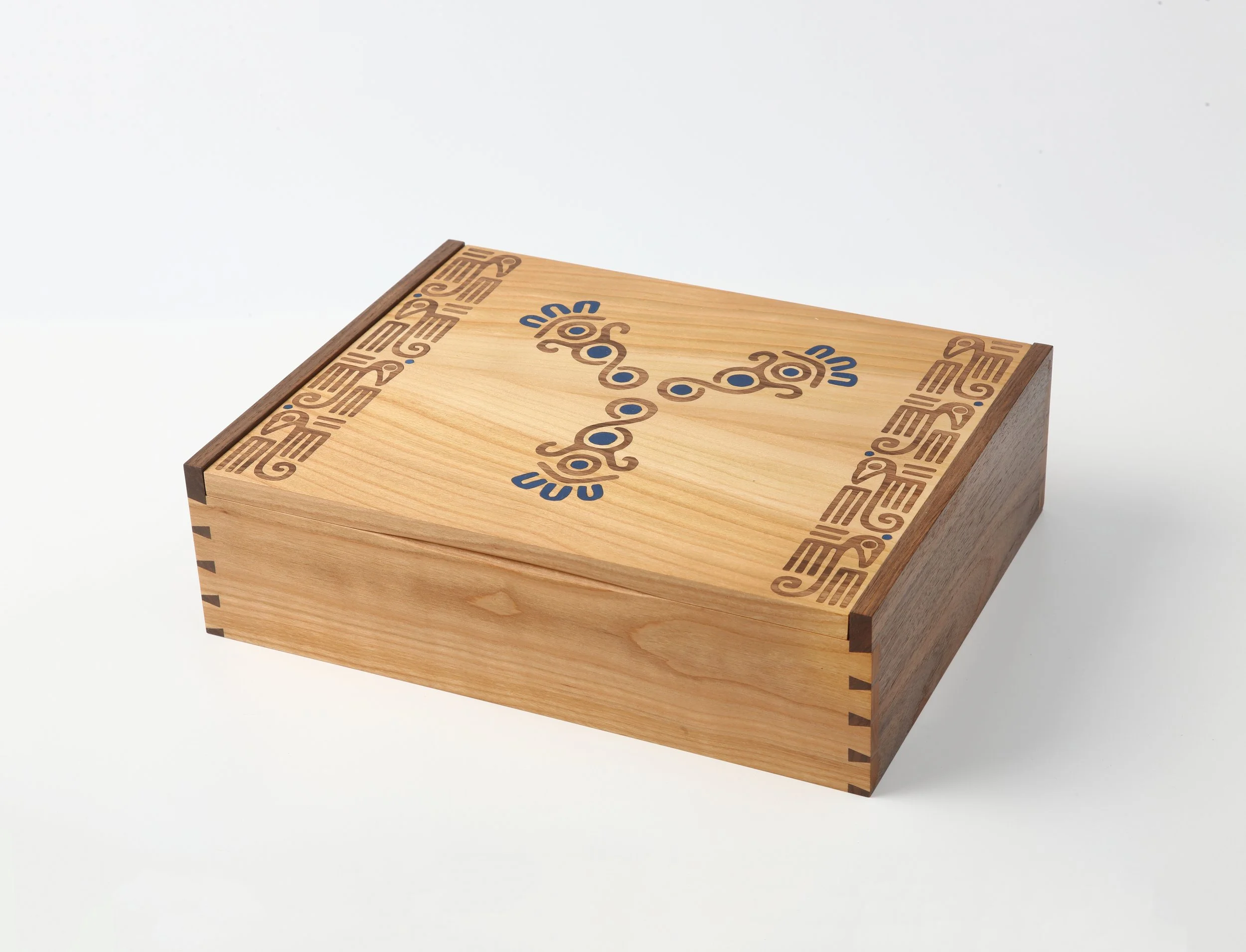
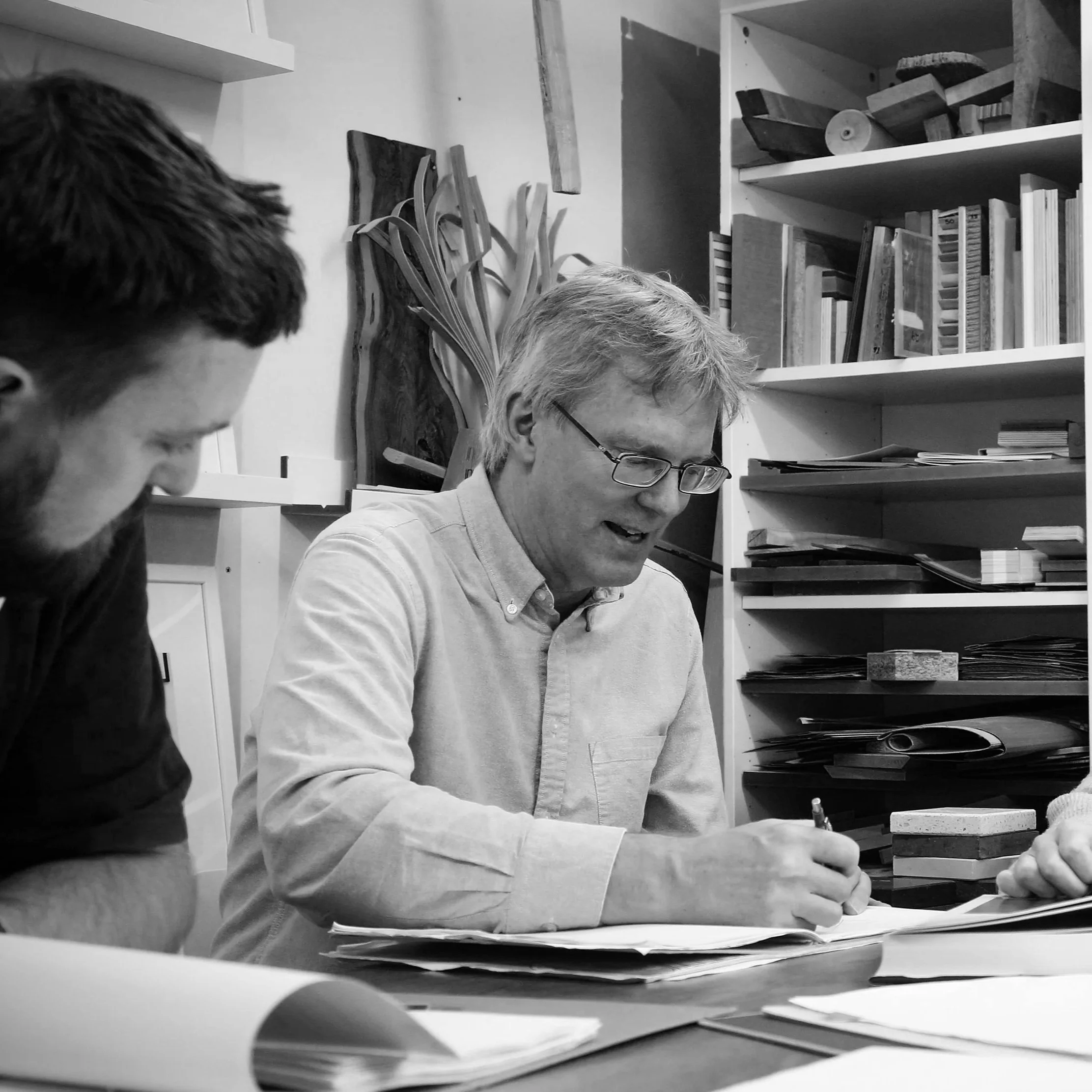
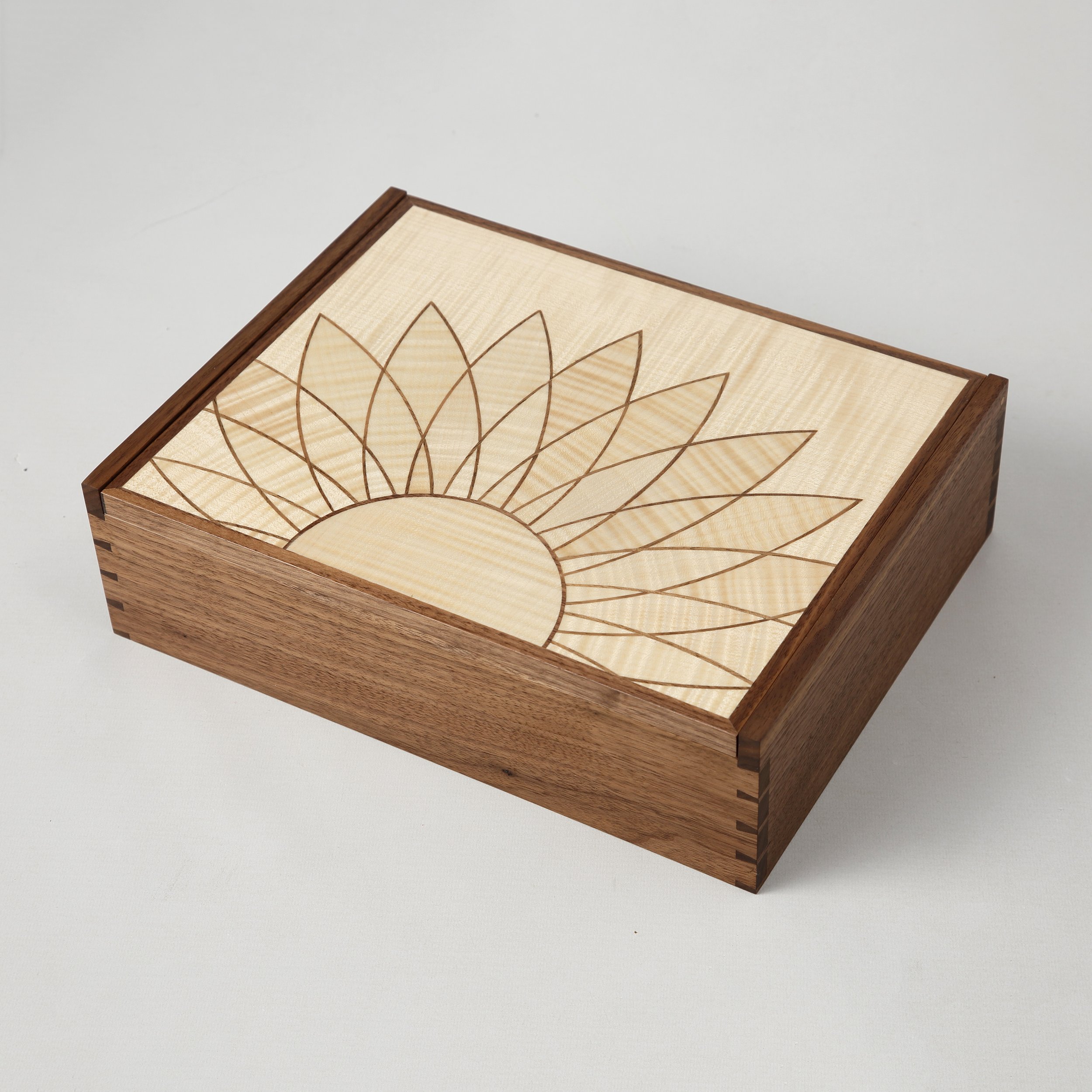
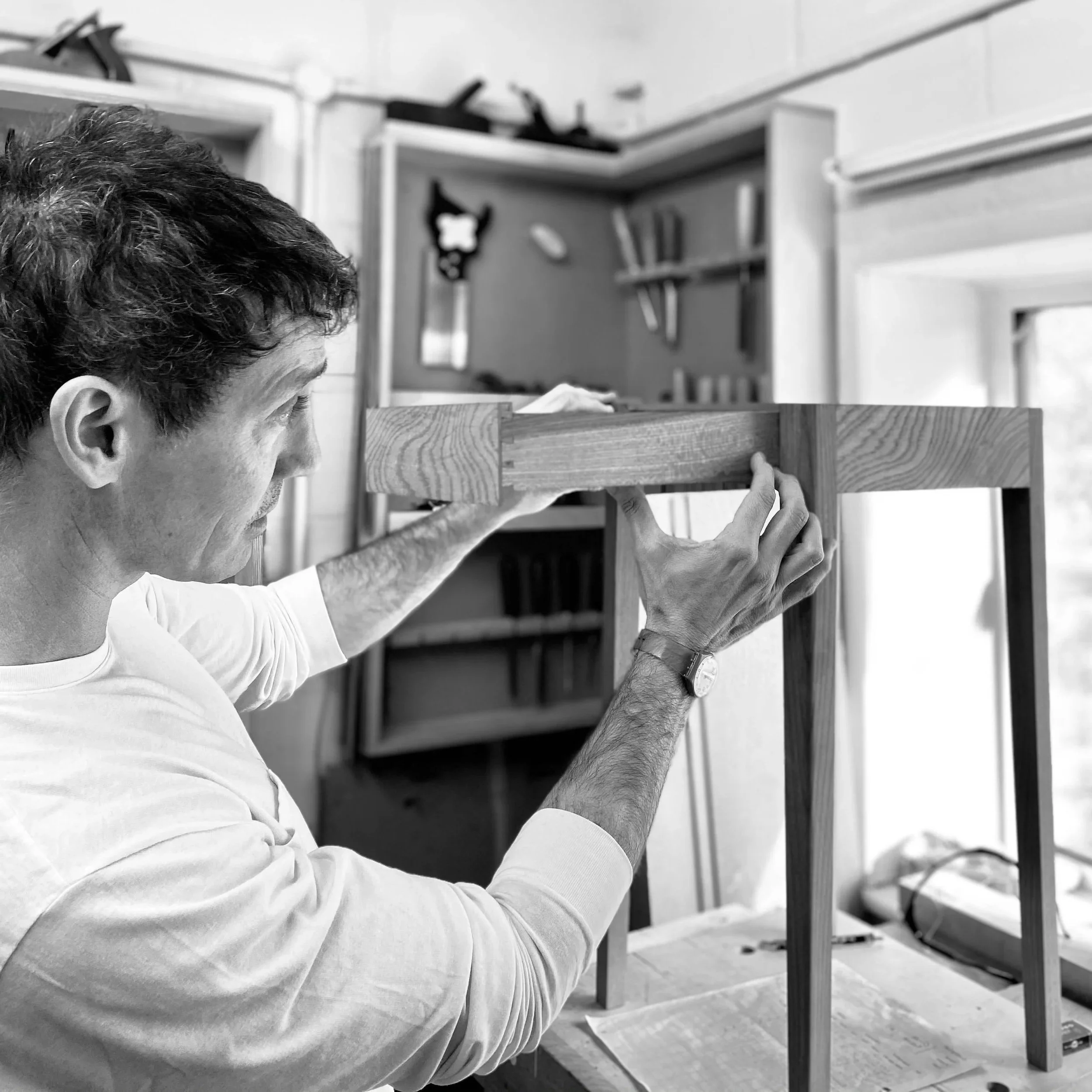
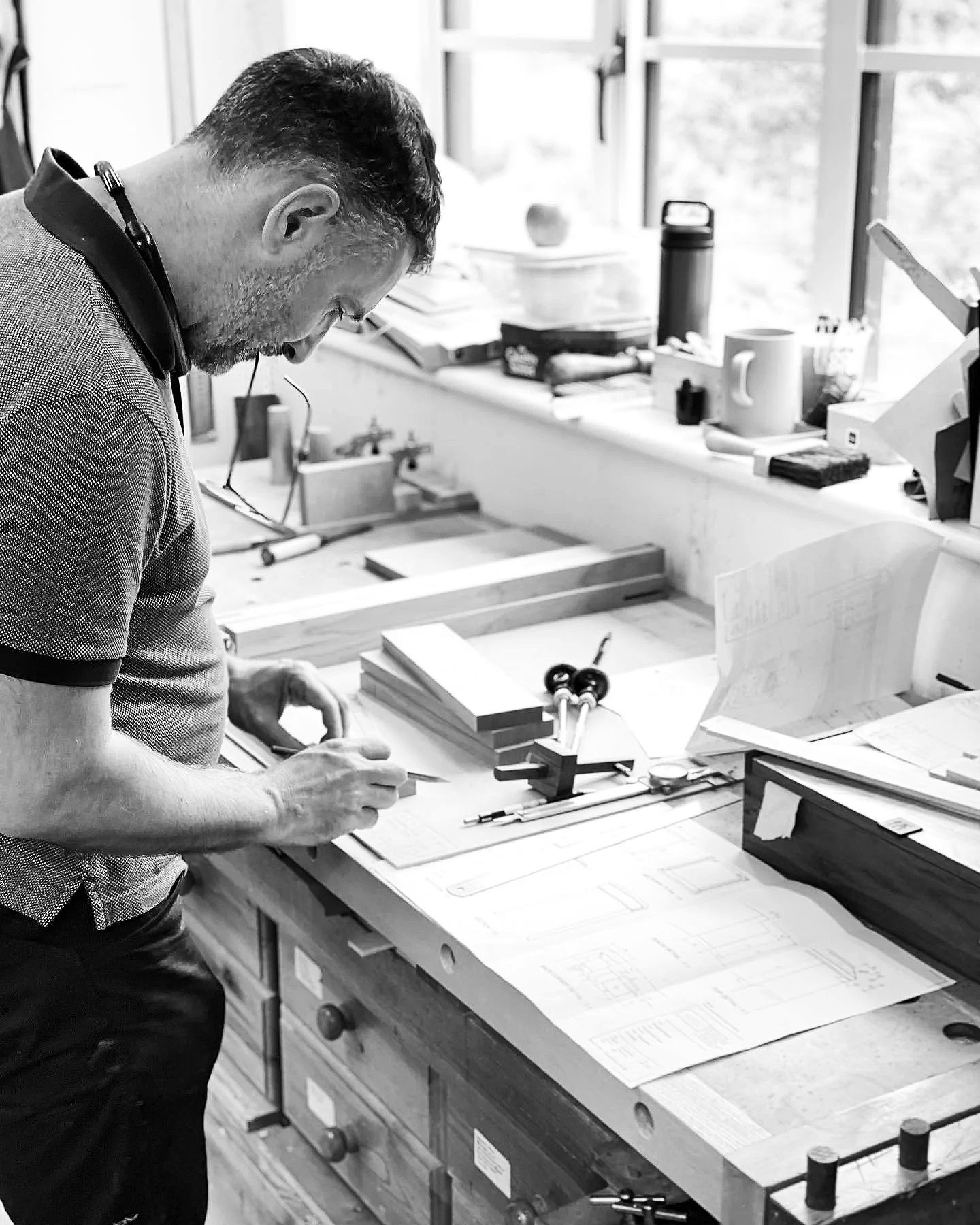
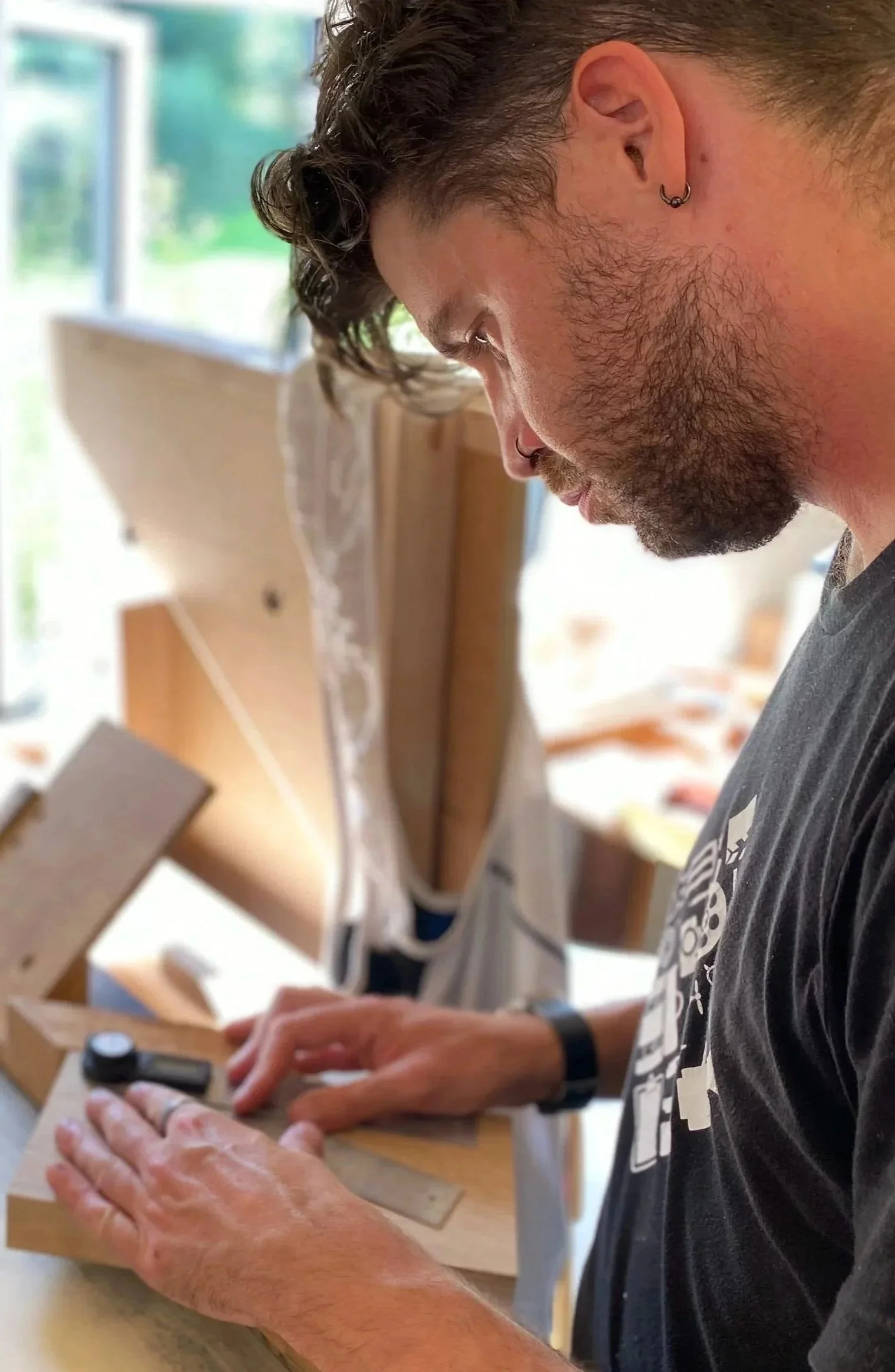
Teaching is delivered predominantly within the workshop by award-winning tutors, with an emphasis on precision, material understanding and thoughtful design. Teaching at Williams & Cleal is rooted in the traditions of British fine furniture making, where craft, hand skills, material understanding and considered design remain central to the making process.
As an independent school, we are able to adapt teaching to the ambitions and experience of each student. Some arrive with professional aspirations, while others are seeking creative development, portfolio building or the opportunity to experience intensive workshop training within a professional British furniture making environment.
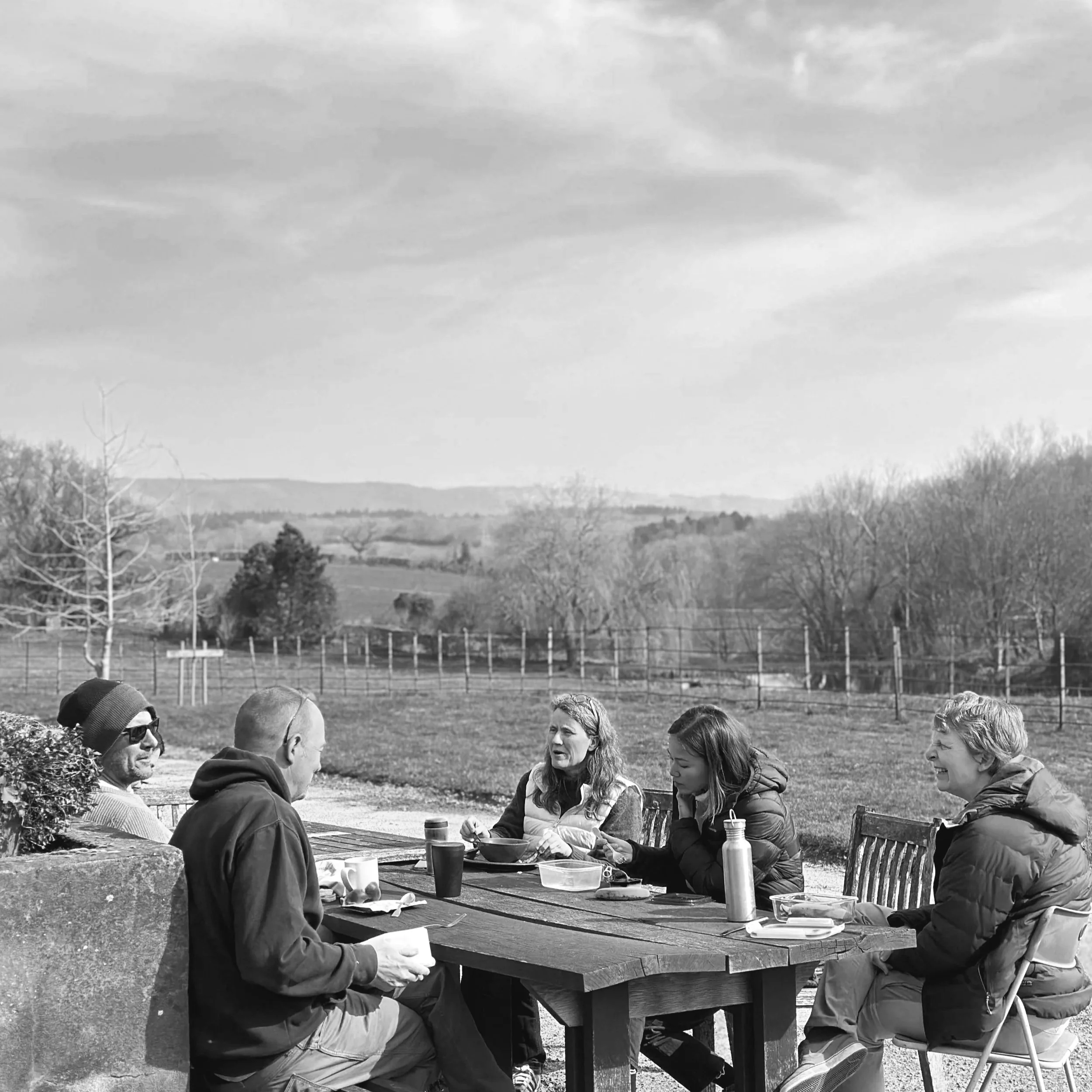
Alongside technical training, great importance is placed on workshop culture and shared learning. The atmosphere is focused yet welcoming, encouraging students to exchange ideas, develop confidence and enjoy the process of making within a genuine community of craftspeople.
More Detail
Course Structure
The course is predominantly workshop-based and delivered through demonstrations, practical projects, tutorials, lectures, discussion, research and individual mentoring.
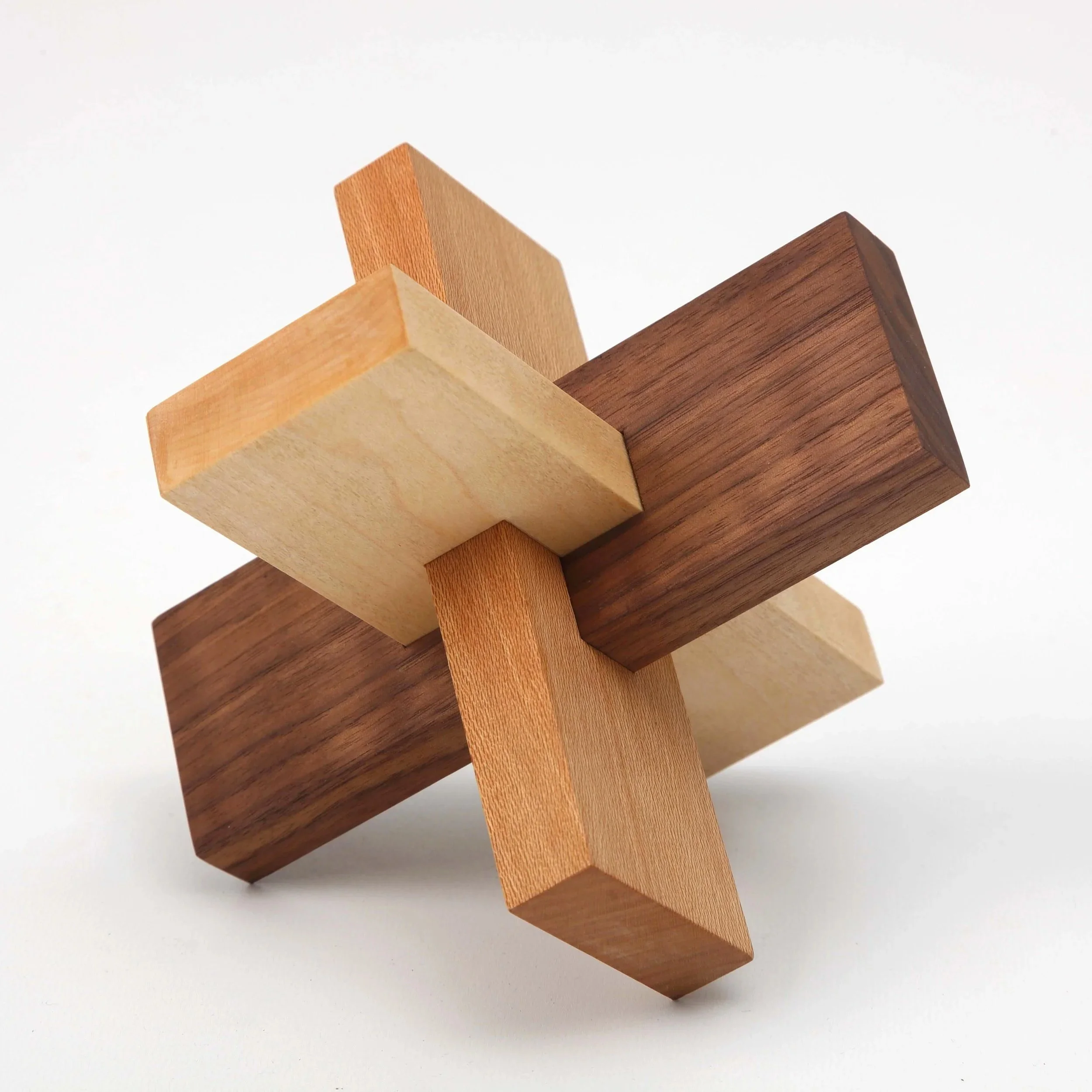
During the early stages, students develop core hand and machine skills through set projects designed to build precision, confidence and material understanding. Alongside workshop practice, students attend sessions covering construction, timber technology, CAD, drawing, design development and furniture history.
As technical ability develops, students are encouraged to begin designing and making their own furniture pieces, supported through personal tutorials and project guidance. Typically, students complete three structured projects followed by between one and three self-directed pieces.
Throughout the course, emphasis is placed on developing both technical excellence and individual creative identity.
International Study Experience
Williams & Cleal welcomes students from a wide range of countries, backgrounds and creative disciplines. This diversity brings a rich exchange of ideas and perspectives to the workshop environment.
The staggered intake structure allows international students to begin at a time that best suits travel and visa arrangements, creating a dynamic studio atmosphere where students at different stages work alongside one another.
Students also gain direct exposure to the commercial workshop environment of Williams & Cleal Bespoke Furniture, offering insight into contemporary professional practice and high-end bespoke commission work.
Design Development & Creative Practice
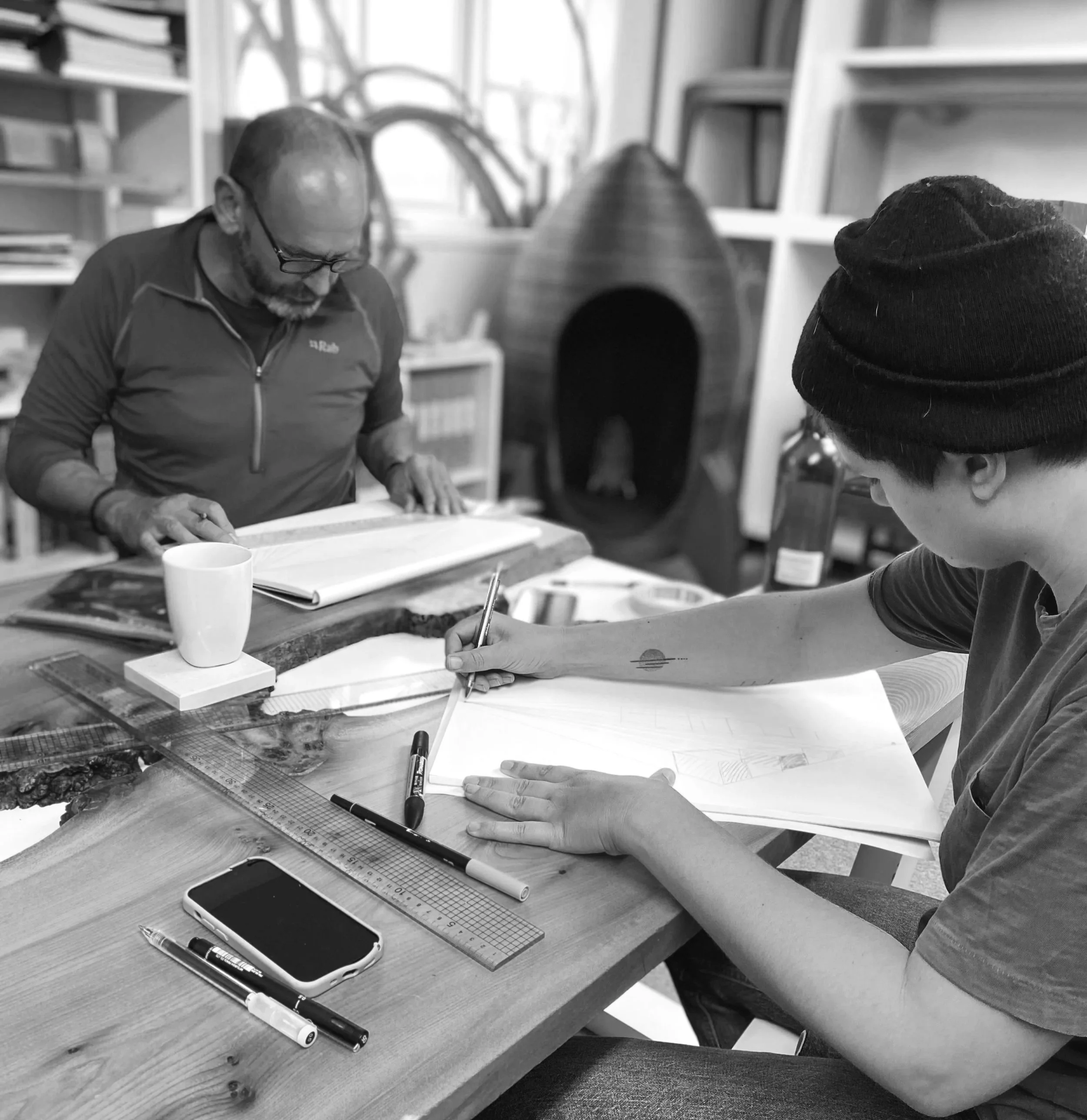
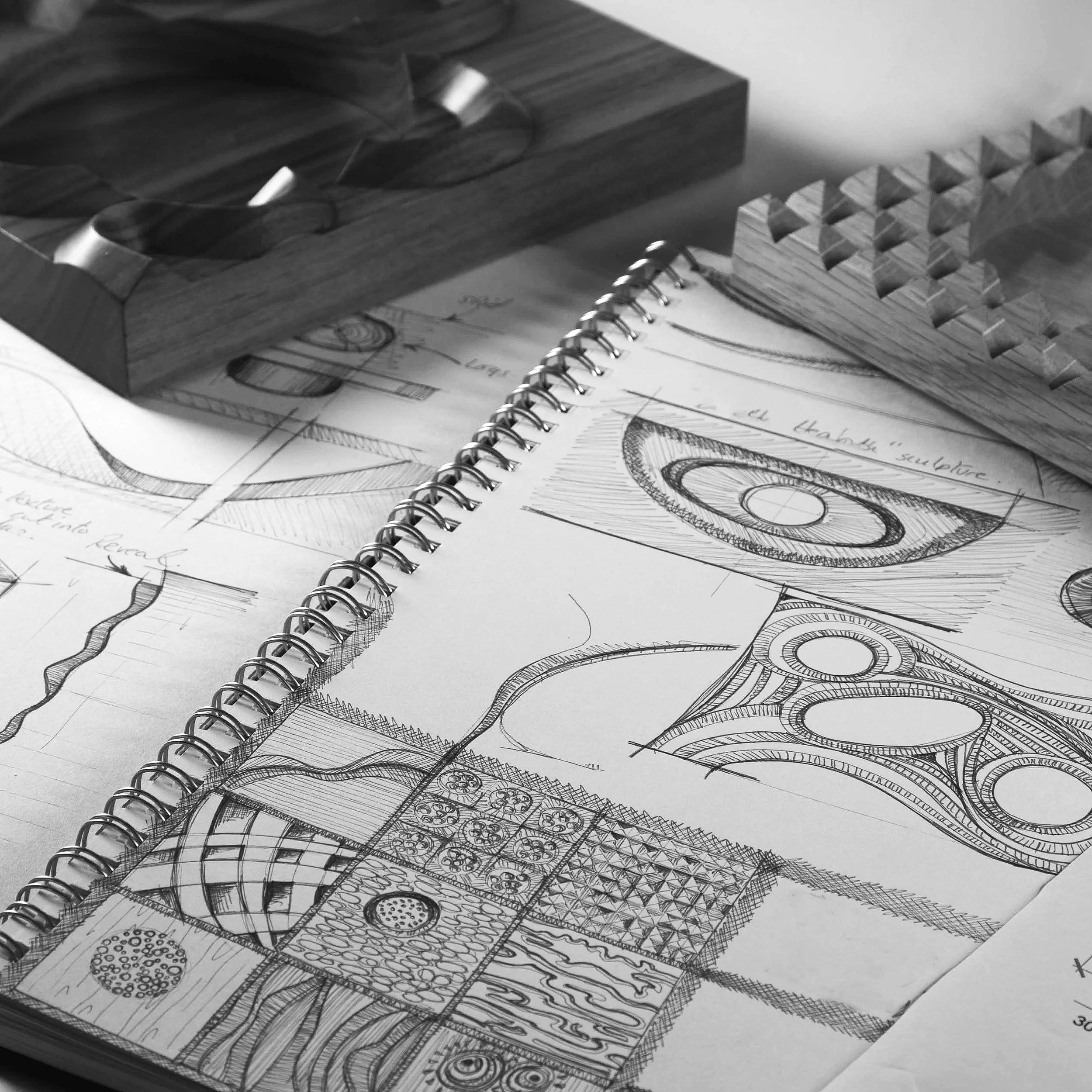
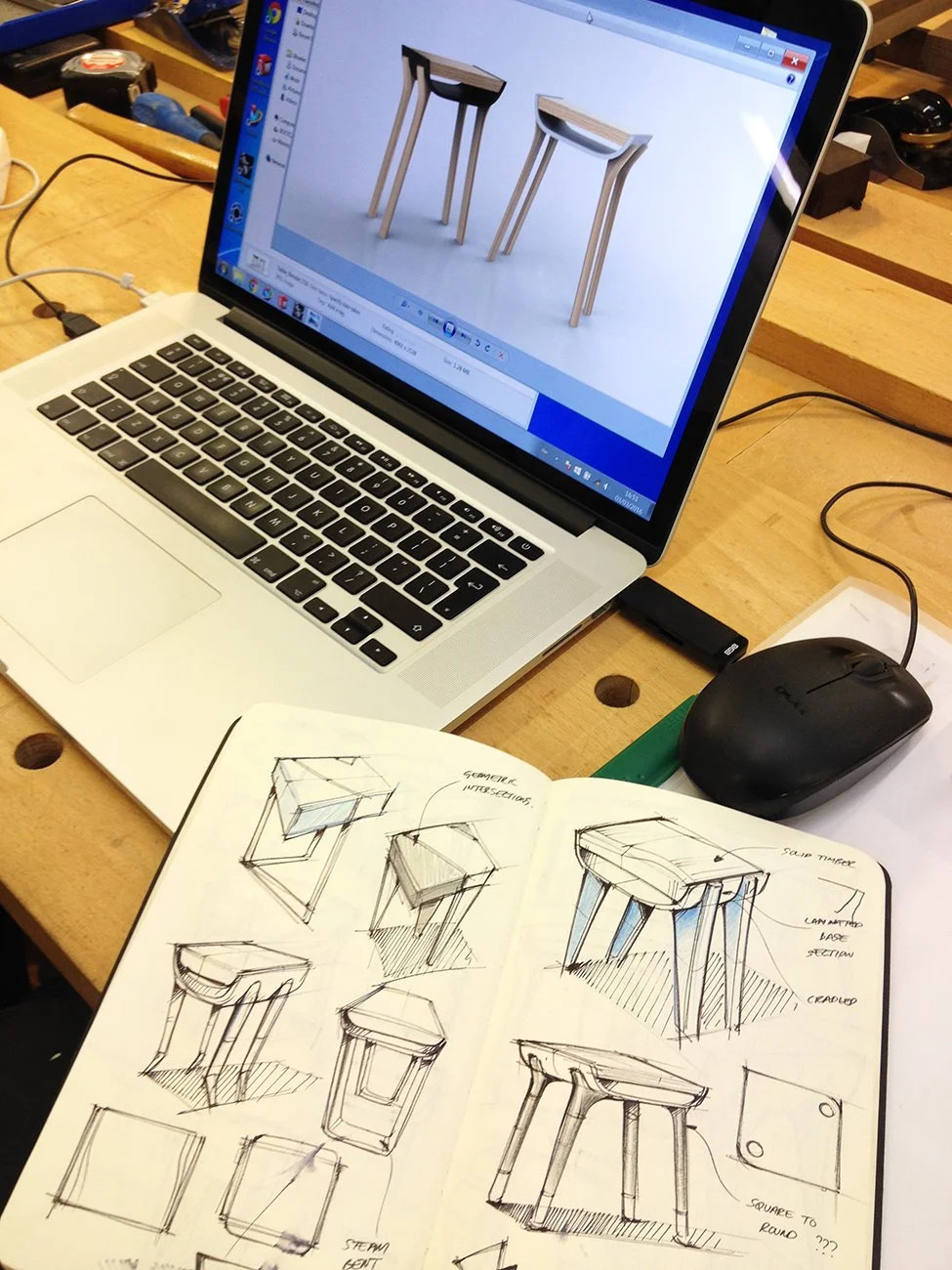
Design education runs alongside workshop practice and is a key part of the learning experience. Students develop skills in sketching, CAD, presentation drawing, design history and visual communication.
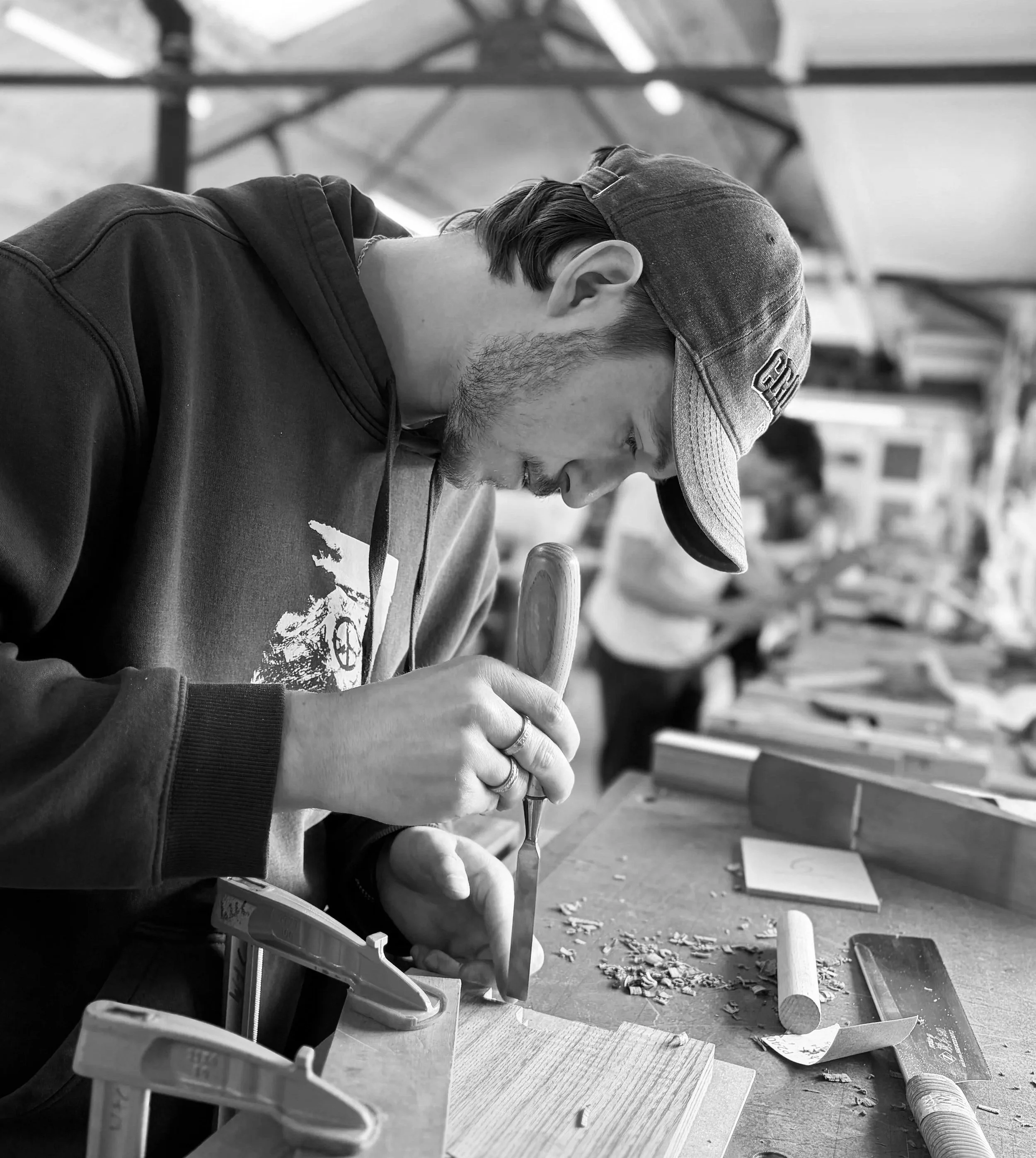
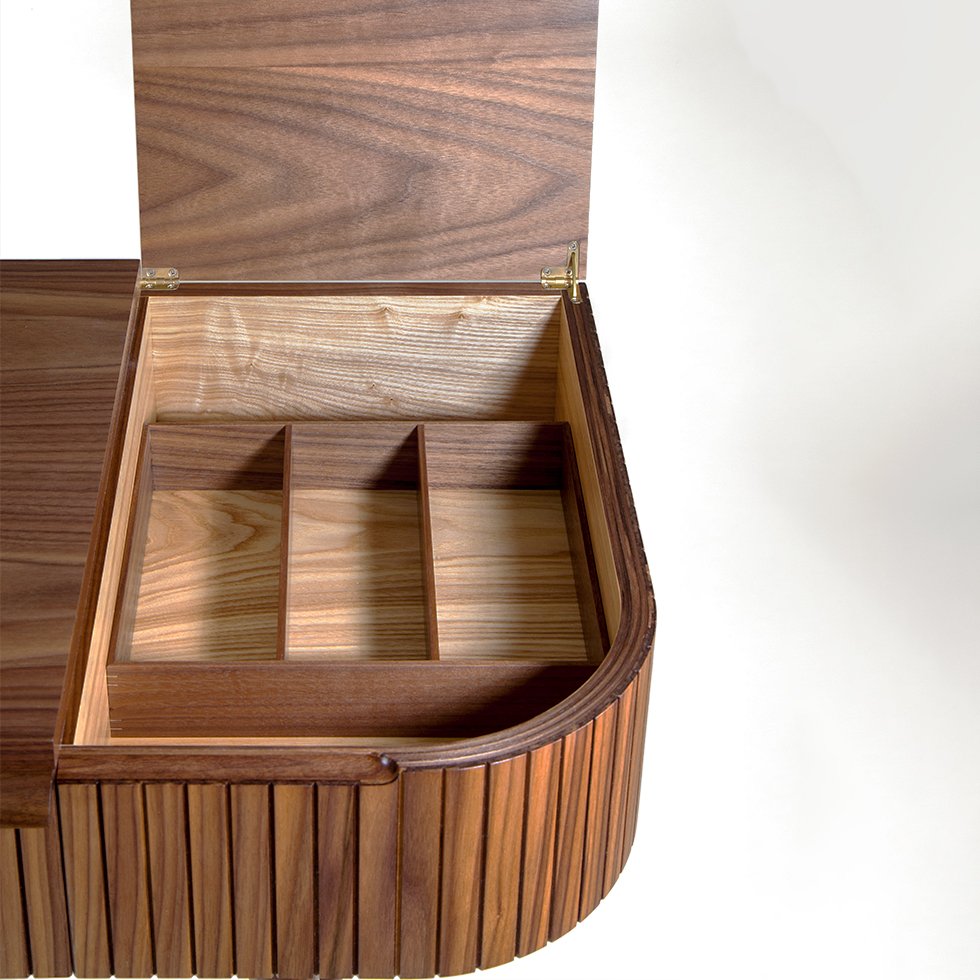
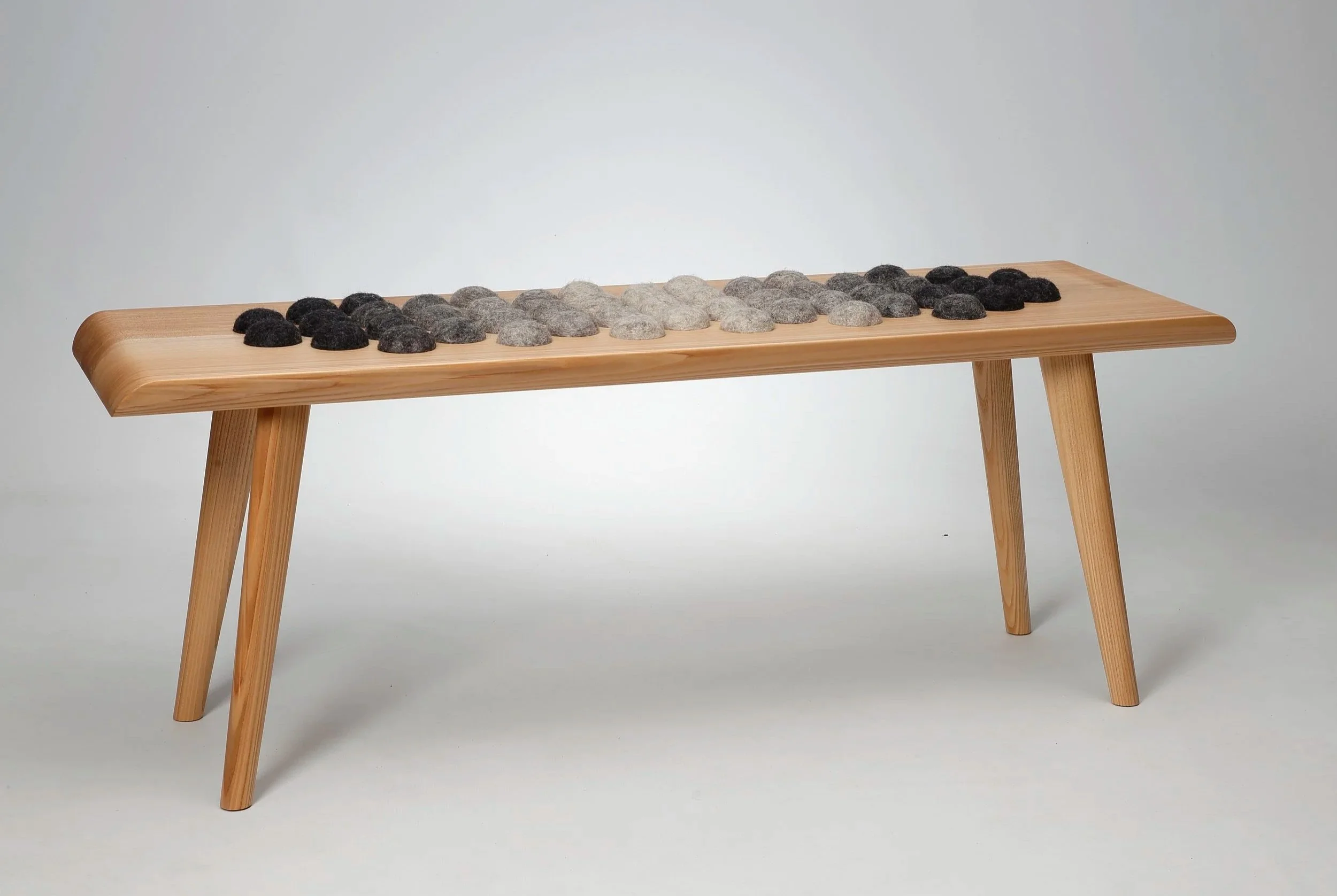
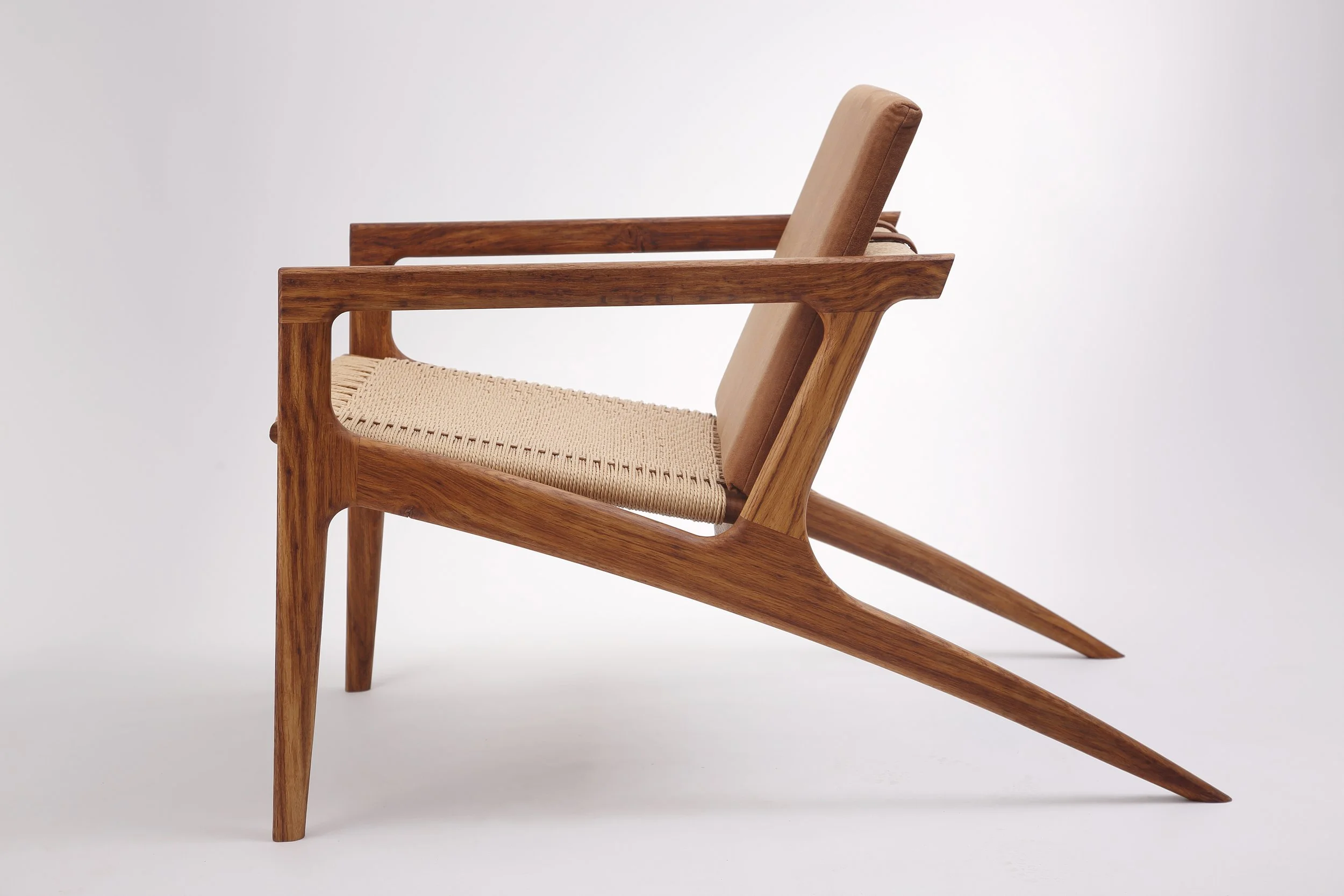
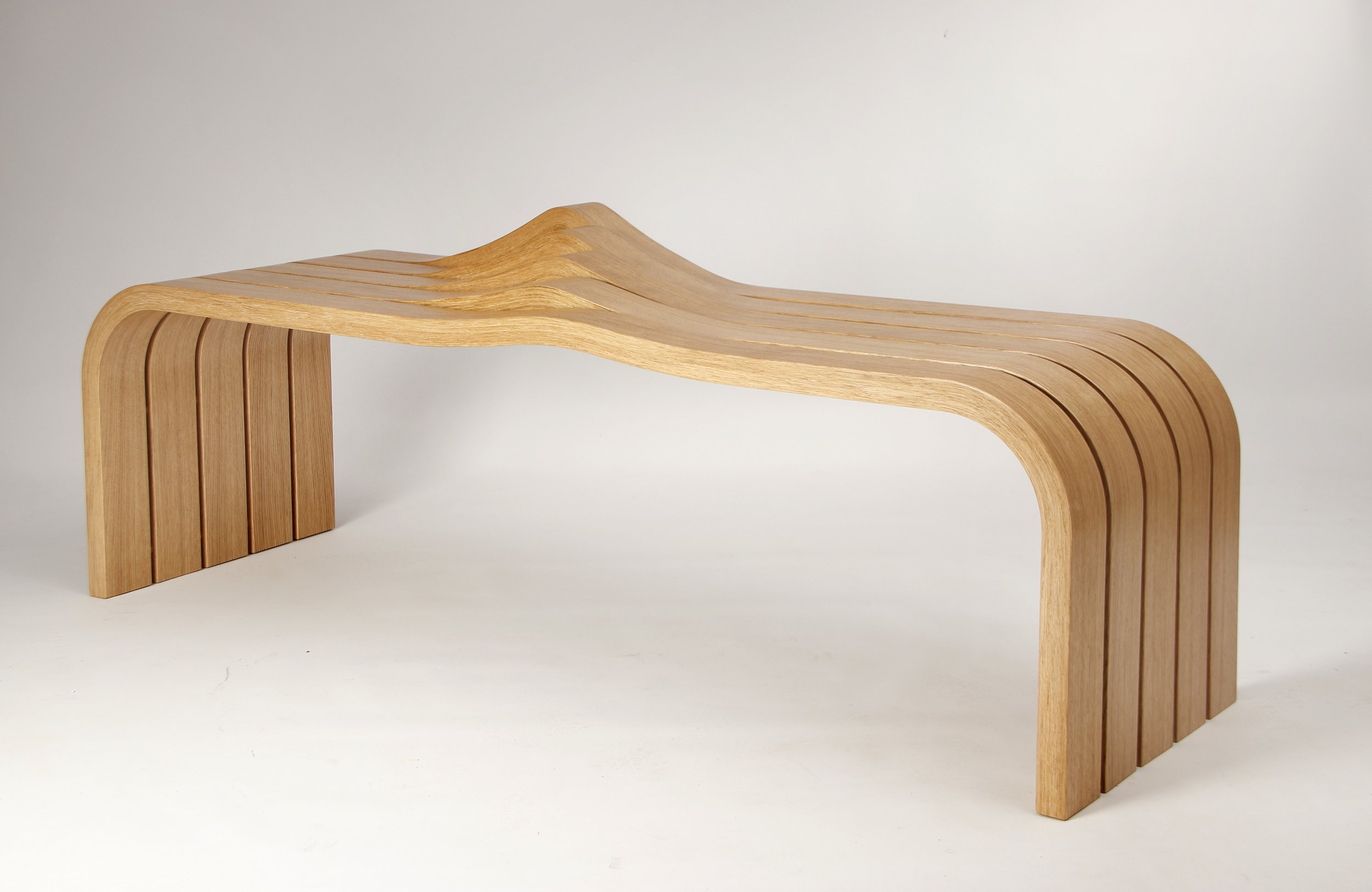
From the beginning, students are immersed in fine furniture making. Through intensive training in timber, hand skills and traditional craftsmanship, they develop the precision and sensitivity required to work to a tolerance of 0.2mm.
Every process is approached with care, building not only technical ability but also a deeper understanding of material, process and form. As the course progresses, students are encouraged to develop personal briefs and refine their design language through making.
Materials & Tools
The school can provide essential hand tools during study, although many students choose to purchase or gradually build their own toolkit throughout the course.
Additional material and tool costs vary depending on project ambitions and individual requirements. Students are typically advised to budget accordingly and contact us for further guidance.
Accommodation & Practical Information
Accommodation and meals are not included within the course fee. However, we are happy to assist international students in finding suitable local accommodation where possible.
Students travelling internationally are encouraged to contact us directly to discuss course timing, accommodation options and any practical considerations relating to their study.
Course Content
-
Selection and set up of hand tools
Sharpening of tools
Use of hand and measuring tools
Adhesives and their correct use
Joint cutting and jig making
Making and using rods and templates
Cabinet scrapers and sanding
An appreciation of the variation in the standards of furniture making
-
Furniture components
Jointing and structures
Carcass and frame construction
Carcass rigidity and chair construction
Furniture fittings and fixtures
Furniture mechanisms
Jigs and Assembly
Preparation and cutting lists
Standardisation and production solutions
Modern and traditional methods
Appropriate production methods and solutions
Fitted furniture
-
Selection and cutting of veneers and laminates
Design and production of moulds and formers
Vacuum bags and presses
Steam bending, kerfing and coopering
Production of components with compound curves
Angle grinding
Spindle work
Preparing and laying veneers
-
Aesthetic and structural value of a variety of materials
Timber technology
Timber identification
Material defects
Moisture content, seasoning and movement
Material conversion
Understanding and using veneer
Selecting and buying materials
Marquetry work
The properties and application of a range of finishes
The safe use of finishing materials
The implications when assembling furniture
Abrasives in hand and machining operations
Hand finishing and spraying
-
The identification and use of key power tools
Safe working practices
Learning the potential applications of all the key power tools
Maintenance including changing and sharpening of cutters, saws and blades
-
Health and safety in a workshop
The selection, maintenance and use of a variety of machines
Designing safe and effective jigs
Production techniques
-
The requirements for setting up in business
How to run a furniture business
Workshops
Marketing
Business profile
Time management
Public relation
Selling your work
Commercial costing and estimating
Commission and production work
The industry today
External organisations
Legislation
Websites
-
Freehand drawing and sketching
Perspective
Ergonomics including anthropometrics
Working drawings
Colour awareness and application
The design process
Design vocabulary
Design theory, including proportioning concepts
Design analysis and evaluation
3D awareness
Personal design philosophy
Research skills
Contemporary furniture makers
Presentation drawings and skills
Photographing your work
Portfolios
Experience the workshops
Visiting the school in person, or engaging with us remotely, is one of the most effective ways to get a real sense of the workshop environment and decide whether the course is right for you.
Prospective students are warmly invited to tour the workshops, meet the tutors, view current student work, and discuss their ambitions in more depth. For those unable to travel, particularly international applicants, we are also happy to arrange online meetings via Zoom, video calls, or phone conversations so you can still gain a clear feel for the school and ask any questions directly.
Many students choose to begin with our Five Day Introduction to Fine Furniture Making course before progressing onto longer-term study.
Visits can usually be arranged on weekdays, with evening or weekend appointments available where needed. Online sessions can be scheduled flexibly across time zones to accommodate international students.
Connections
The school benefits from strong professional and industry connections across contemporary British furniture making.
Students share workshop space with the commercial arm of Williams & Cleal Bespoke Furniture, offering valuable insight into professional standards, bespoke commissions and workshop practice.
Students also gain exposure to respected studios and makers including Silverlining, Artichoke and a range of independent furniture workshops. These connections help provide a broader understanding of the contemporary craft and the British furniture industry.
Jane’s roles within the Bespoke Guild Mark panel and the Furniture Makers’ Company further connect students to an active professional network within British furniture making and craftsmanship.